Chobe National Park Safari Guide
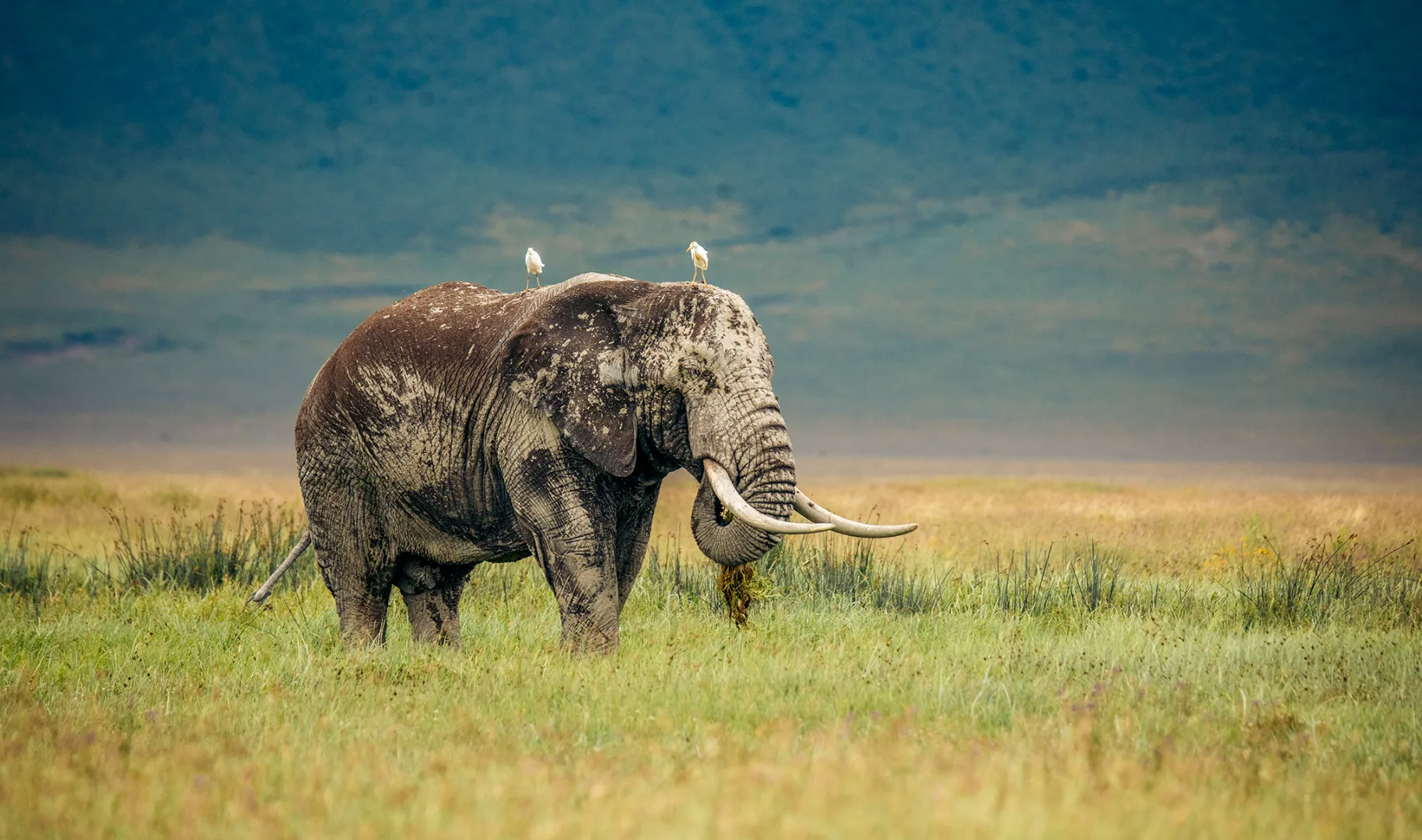
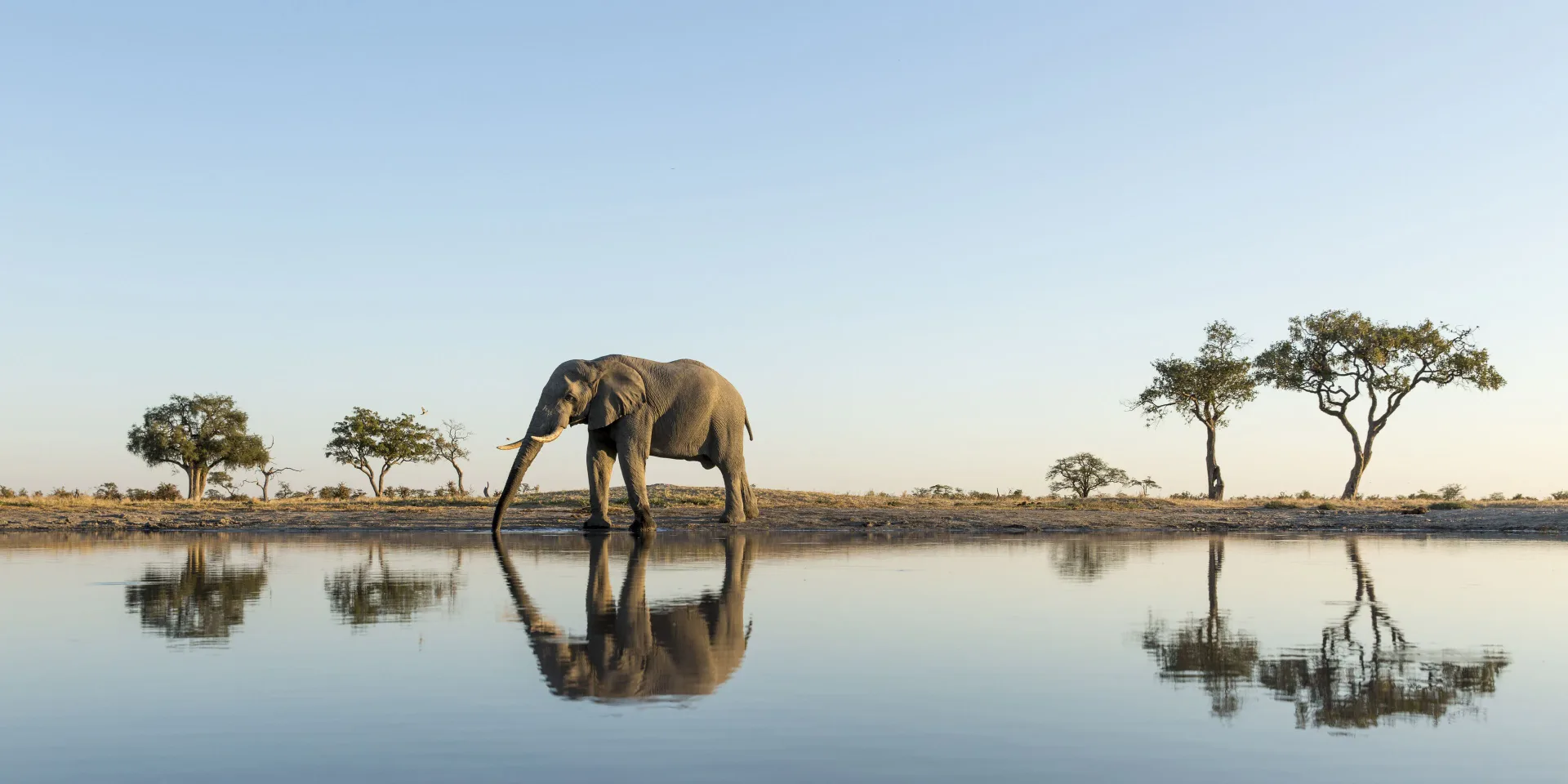
Chobe National Park covers 11,700 square kilometres in northeastern Botswana and is renowned above all for its staggering elephant population — the largest concentration in Africa, with an estimated 50,000 individuals within the park and up to 130,000 in the greater Chobe-Linyanti ecosystem. The park's four distinct ecosystems — the Chobe Riverfront, the Savuti Marsh, the Linyanti swamps, and the hot, dry hinterland — each offer dramatically different safari experiences. The Chobe Riverfront, stretching along the Chobe River for approximately 60 kilometres near the town of Kasane, is the park's most accessible and popular section. Here, afternoon boat safaris reveal a breathtaking spectacle: hundreds of elephants swimming and wading across the river, buffalo herds stretching along the floodplain, hippo pods in the deeper channels, and fish eagles perched in waterside trees. The riverfront's combination of boat and vehicle safaris provides a diversity of perspectives unmatched in most African parks. The Savuti Marsh, 160 kilometres south of Kasane, is a remote and ruggedly beautiful area famous for its resident lion prides that have been documented hunting young elephants — a rare and extraordinary behaviour captured in several acclaimed wildlife documentaries. The marsh, fed by the enigmatic Savuti Channel (which has dried up and refilled multiple times over the past century in patterns that have baffled hydrologists), attracts seasonal concentrations of zebra, wildebeest, and predators during the dry months. Chobe offers the rare combination of water-based and land-based safari experiences, incredible elephant encounters, and genuine wilderness in the Savuti and Linyanti sections.
Wildlife & Ecosystems
50, 000 elephants in the dry season, buffalo herds exceeding 2, 000, large lion prides in Savuti (famous for hunting elephants), leopard along the riverine forest, wild dog, spotted hyena, roan and sable antelope. The Chobe riverfront is one of the few places in Africa where you can see elephants swimming across a river. Over 450 bird species including African skimmer and carmine bee-eater colonies (September-November).
Best Time to Visit
June to October for dry season game viewing and the highest elephant concentrations along the Chobe River. September and October are the best months for elephant river crossings. The green season (November to March) brings spectacular birding.
Getting to Chobe National Park
Kasane Airport (BBK) is 10 minutes from the Chobe River gate, with flights from Johannesburg, Maun, and Victoria Falls. Self-drive from Victoria Falls/Livingstone border is 80 km (1.5 hours including border crossing). Charter flights access Savuti and Linyanti airstrips. Kasane also offers day-trip access to Victoria Falls (Zambia/Zimbabwe border).
Areas We Cover
Chobe Riverfront
The Chobe Riverfront stretches along the northern boundary of the park where the Chobe River separates Botswana from Namibia. During the dry season (May-October), elephants wade across the river in herds of hundreds, creating one of Africa's most photographed wildlife spectacles. Afternoon boat cruises (departing from Kasane) combine land and water game viewing — elephants bathing, buffalo drinking, fish eagles hunting, and Nile crocodiles basking on the Namibian sandbanks.
Savuti Marsh
Savuti Marsh is a 10,878-hectare seasonal floodplain in Chobe's southwestern corner, fed by the enigmatic Savuti Channel that has historically dried and refilled in multi-decade cycles. Savuti is legendary for its lion-elephant conflict — prides here have been documented hunting juvenile and even adult elephants at night, behaviour filmed for the National Geographic documentary 'Relentless Enemies.' The marsh attracts vast zebra herds, and Savuti's rocky outcrops bear ancient San rock paintings.
Savuti
The Savuti Marsh area, also known as the Savute, occupies the western section of Chobe National Park and is one of Africa's most dramatic and unpredictable wildlife arenas. The Savuti Channel, which connects the Linyanti River to the Savuti Marsh, has mysteriously dried up and refilled several times over the past century — most recently flowing again in 2009 after being dry for nearly 30 years — creating a landscape that shifts between lush marsh and arid grassland over geological timescales. Savuti is legendary for its lions. The area's resident prides have been extensively studied and filmed, with the "Savuti Marsh Pride" gaining fame for their extraordinary behaviour of hunting young elephants at night — a strategy adopted when the channel was dry and elephants congregated at the remaining artificial waterholes. The San rock paintings at Savuti Hills, some dating back 4,000 years, provide evidence of the area's long human connection. During the dry season, the marsh attracts large herds of zebra and wildebeest along with their attendant predators, creating excellent game viewing in a wild, remote setting accessible only by 4x4 or light aircraft.
Linyanti Marshes
The Linyanti Marshes form a vast wetland system along the Linyanti River on the park's western boundary, managed as private concessions by operators like &Beyond, Wilderness Safaris, and African Bush Camps. With fewer than 10 camps across the entire area, Linyanti offers some of Botswana's most exclusive game viewing — large wild dog packs, elephant herds, lion prides, and over 350 bird species. Night drives and walking safaris are permitted in the private concessions.