Kenya Safari Guide
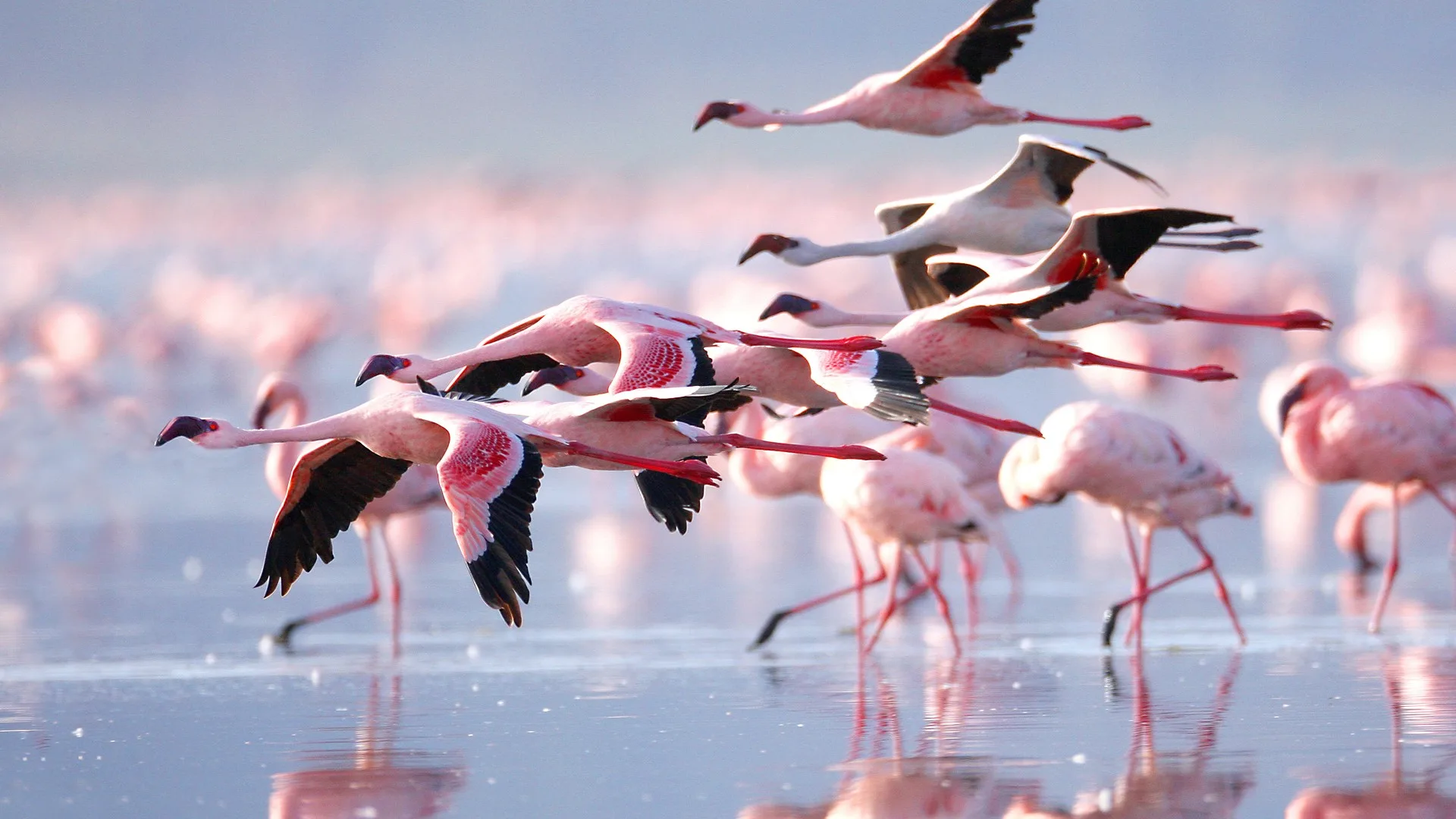
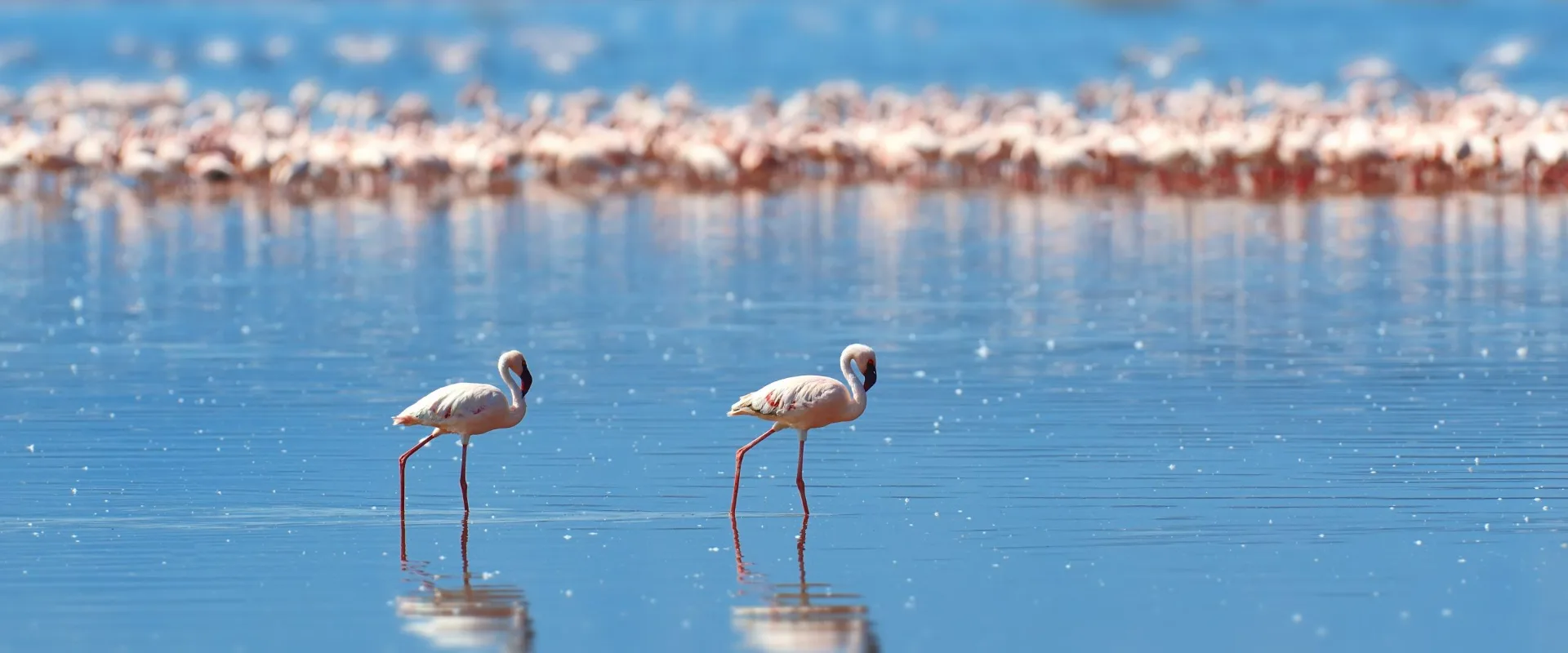
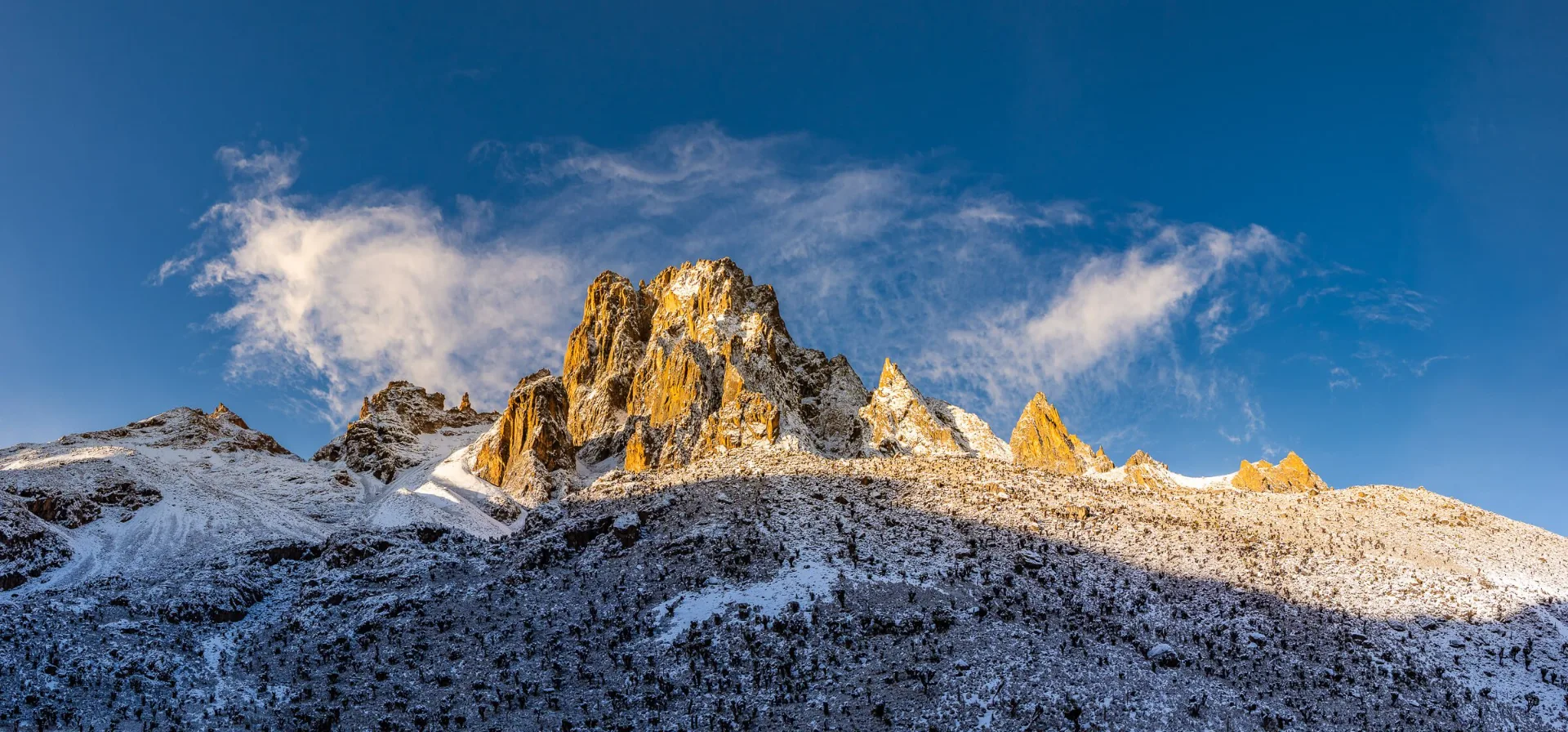
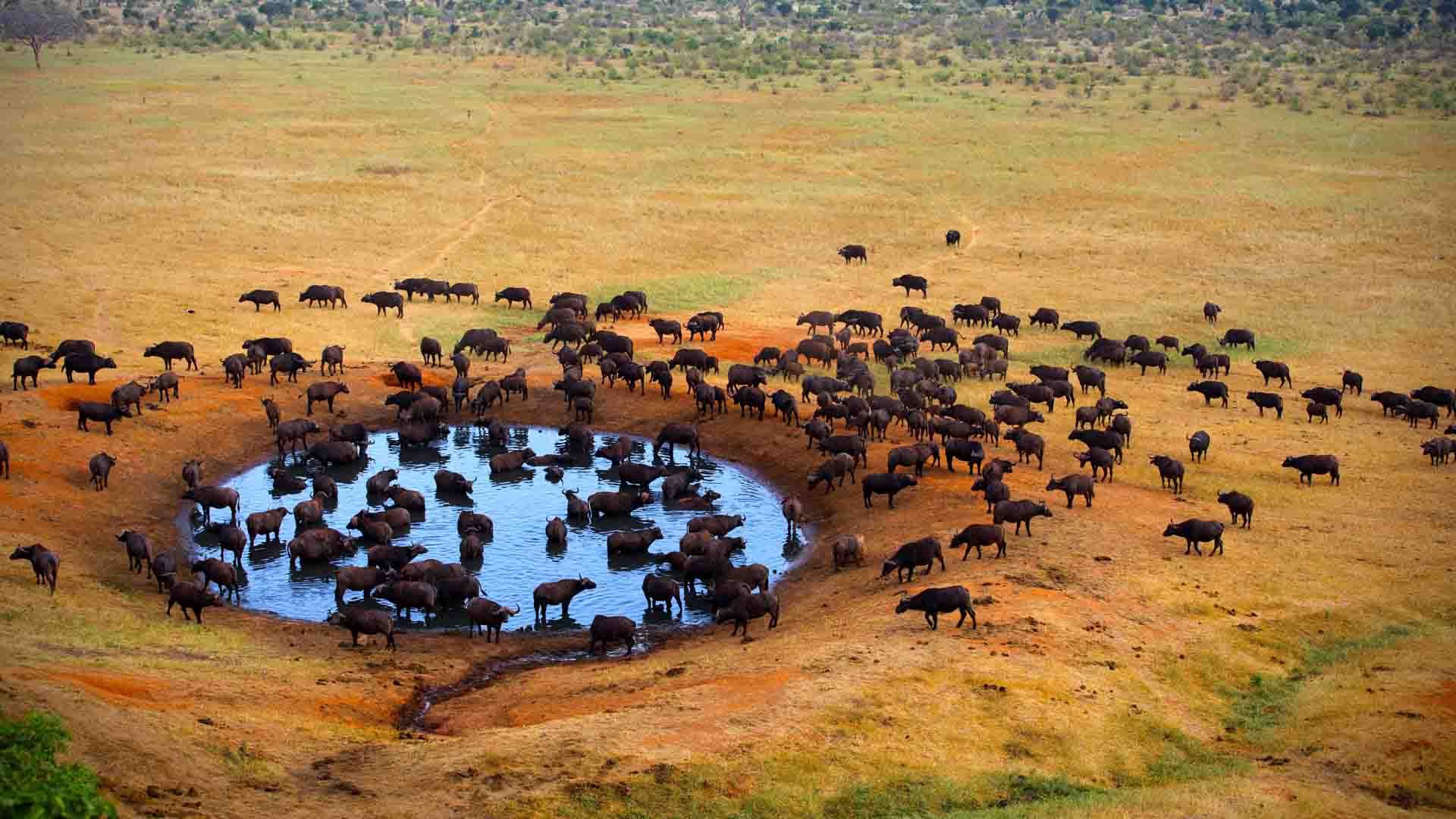
Kenya is the birthplace of safari, a country whose very name conjures images of golden savannah, wildebeest-dotted plains, and the proud silhouette of Maasai warriors against a burning sunset. Spanning 580,367 square kilometres from the snow-capped peak of Mount Kenya to the coral-fringed Indian Ocean coast, Kenya protects over eight percent of its land in 23 national parks and 28 national reserves, sheltering more than 1,100 bird species and 390 mammal species within ecosystems that range from equatorial forest and alpine moorland to semi-arid desert and mangrove swamp.
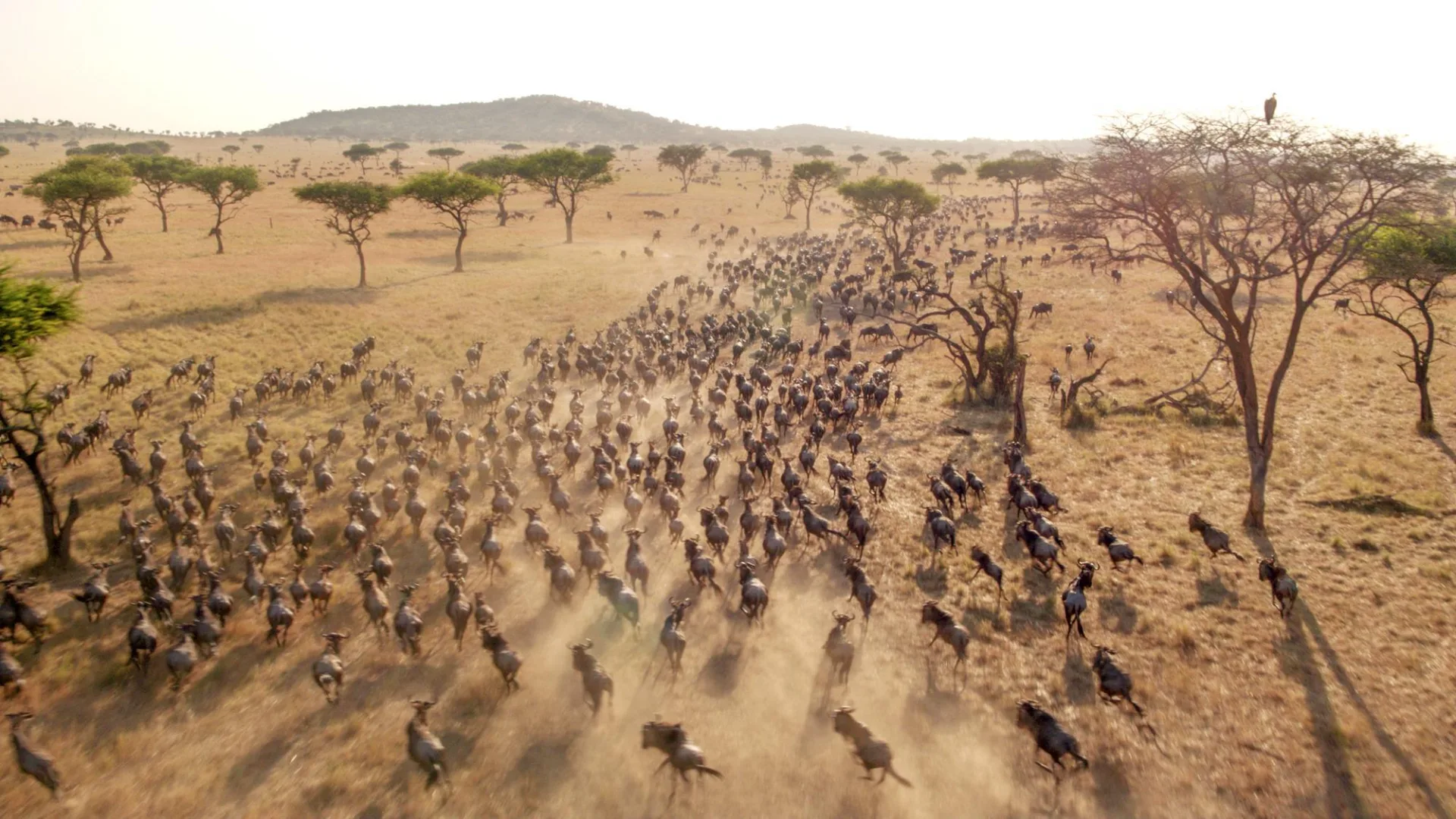
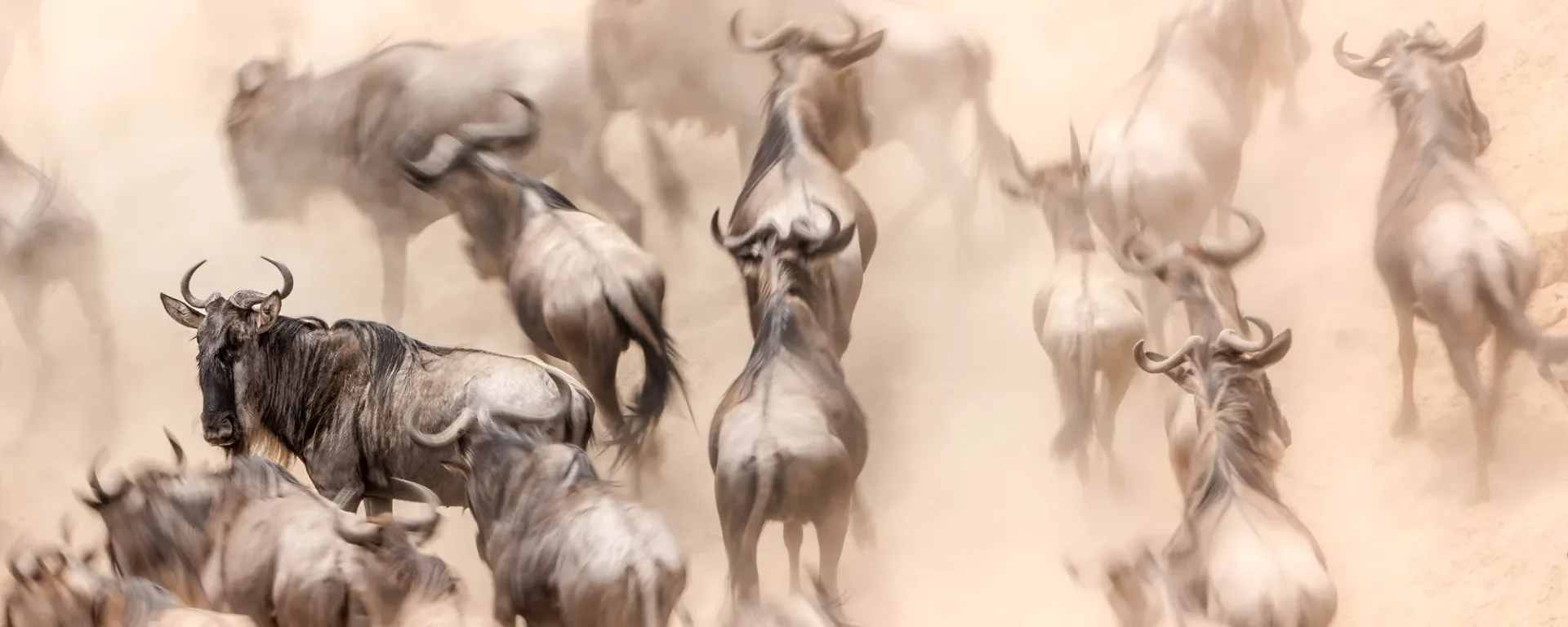
The Masai Mara ecosystem is Kenya's crown jewel and the northern stage of the Great Migration. From July through October, approximately 1.5 million wildebeest, accompanied by hundreds of thousands of zebra and gazelle, pour across the Mara River in some of the most dramatic wildlife crossings on Earth. But the Mara's appeal extends far beyond the migration: its conservancy model — whereby Maasai communities lease their land for tourism in exchange for revenue — has created a network of private wildlife areas surrounding the national reserve where off-road driving, night drives, walking safaris, and exclusive low-density experiences are available year-round.
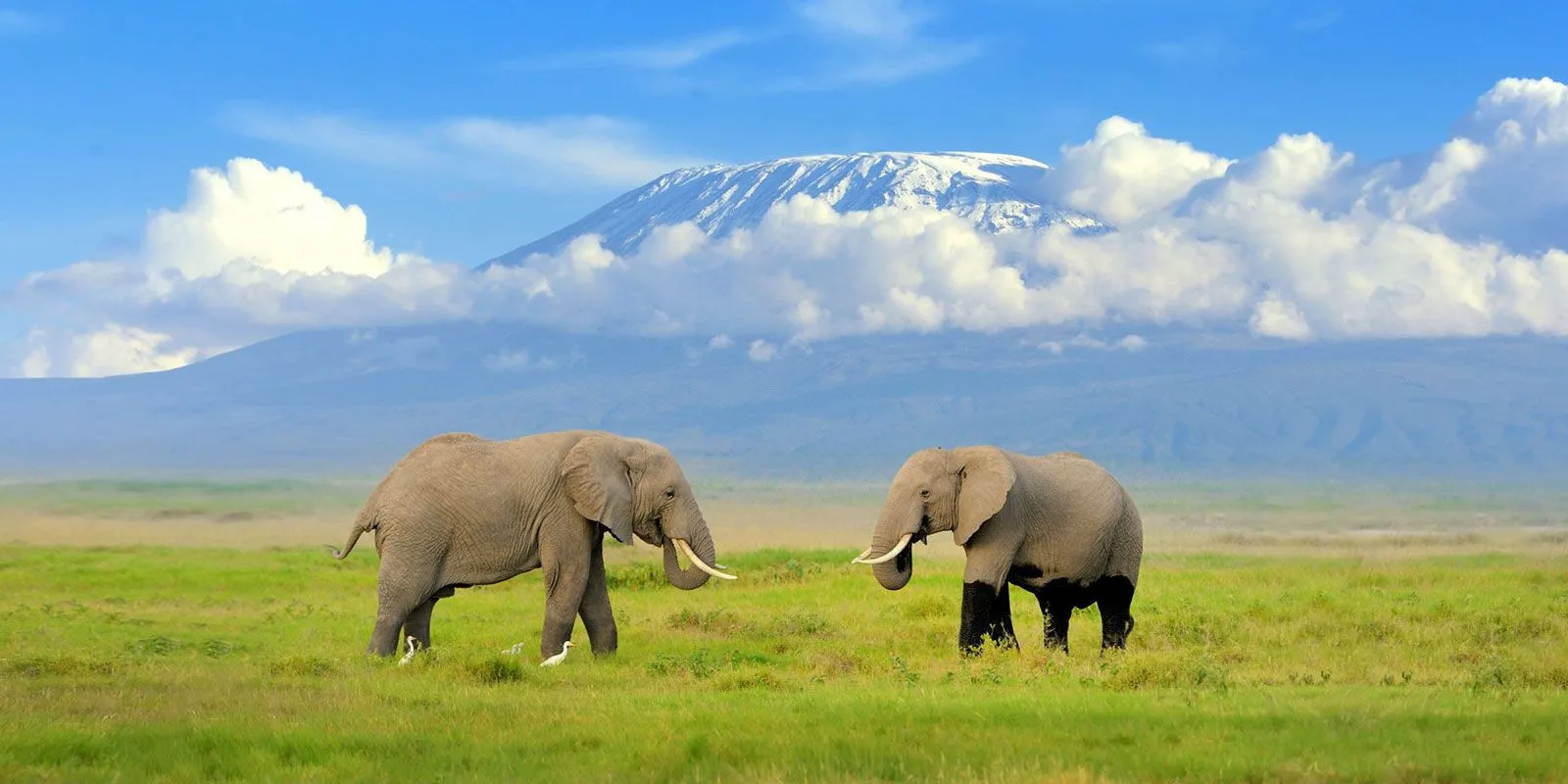
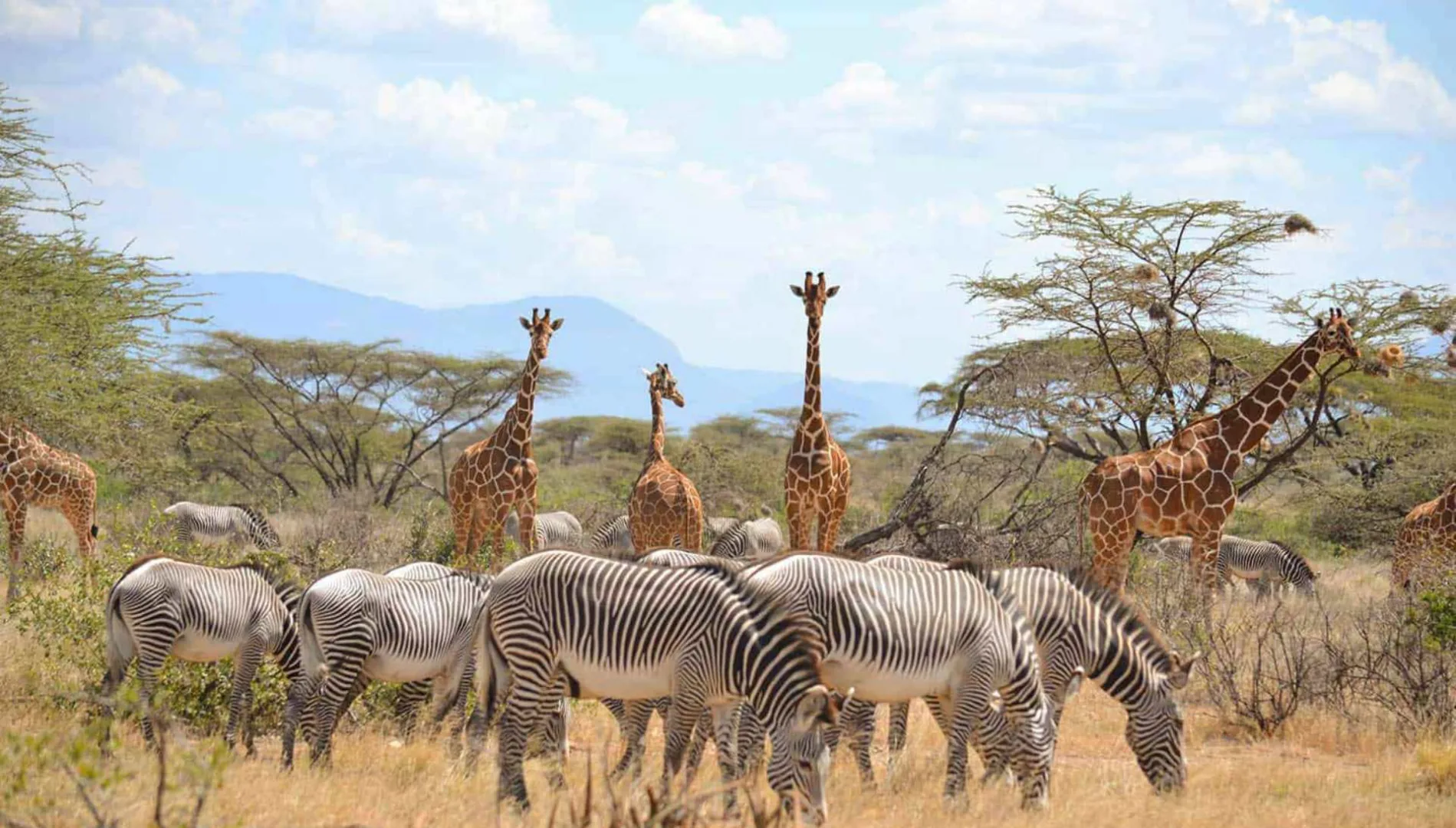
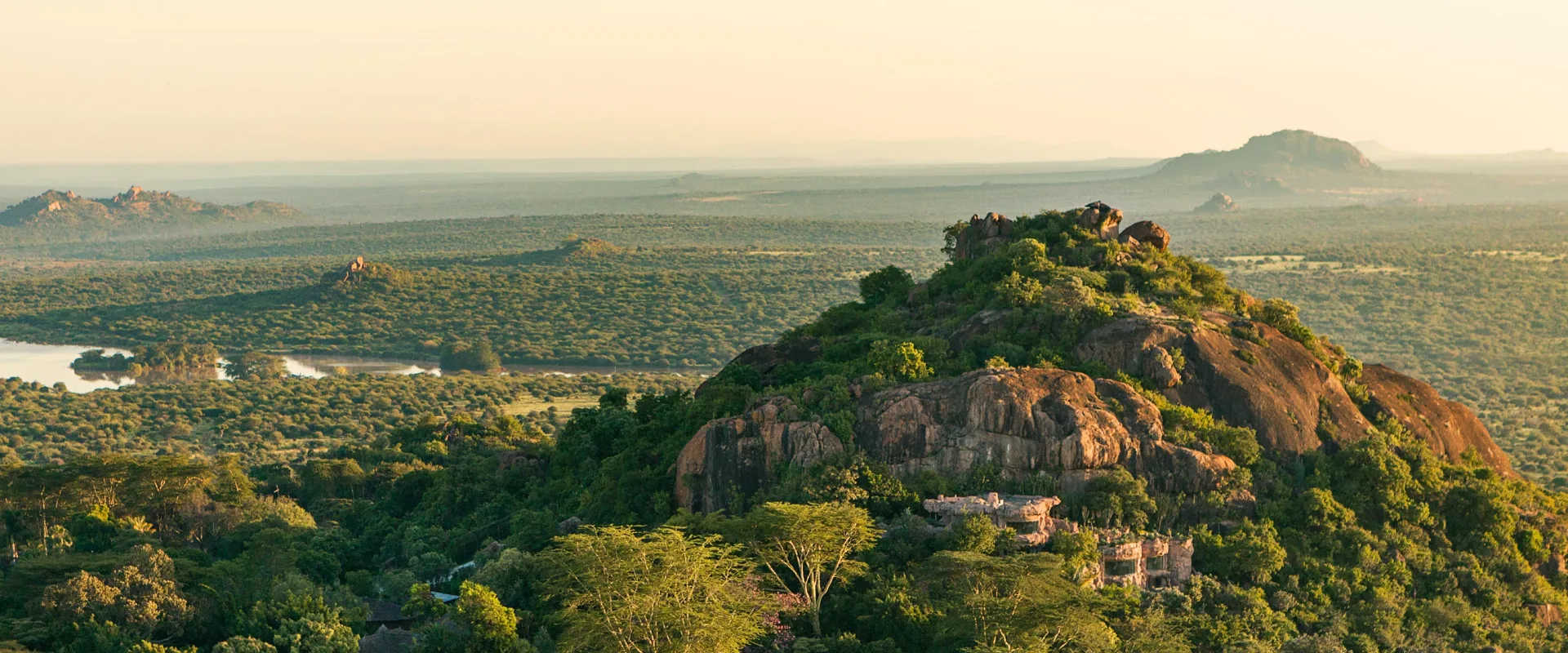
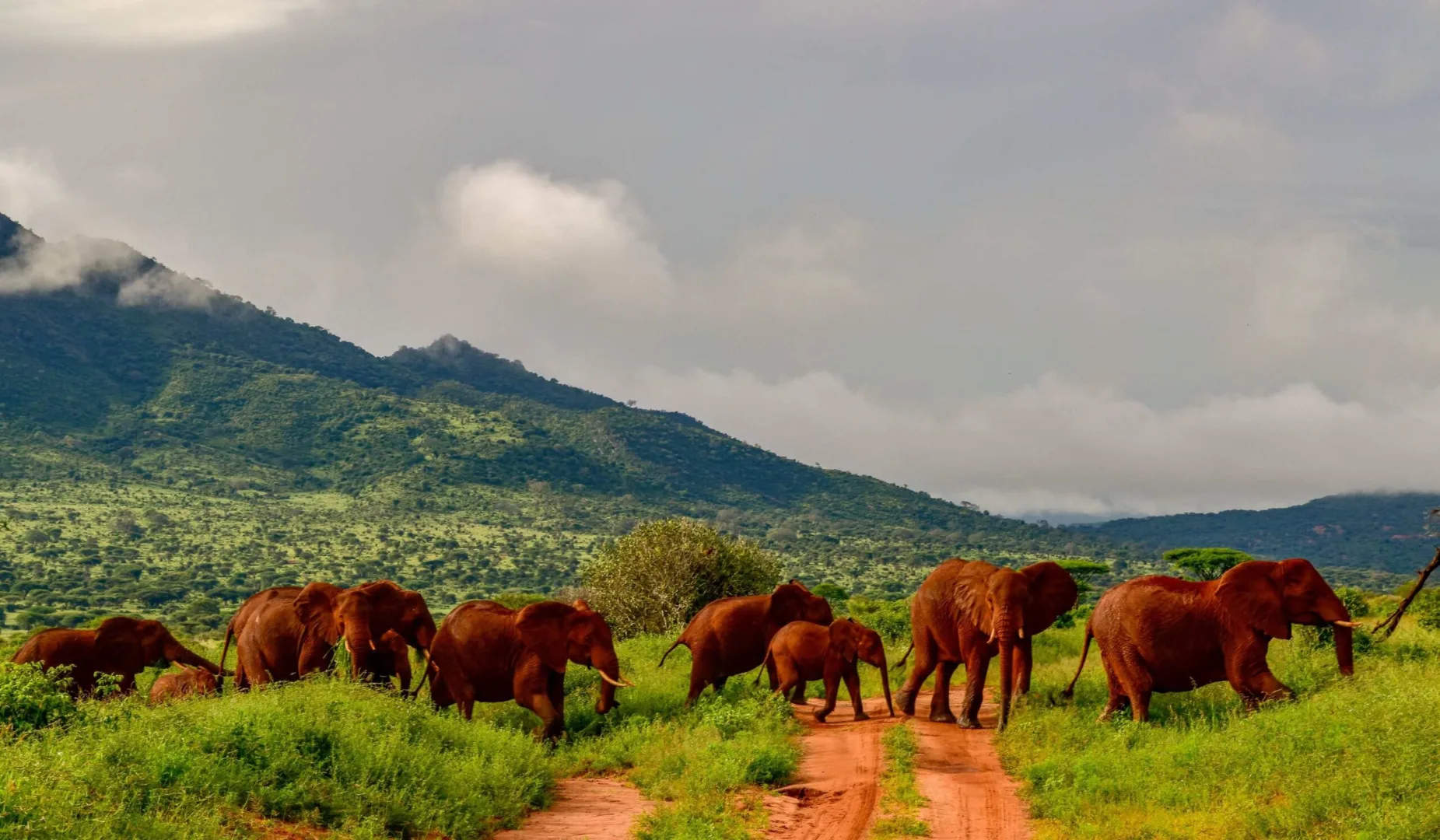
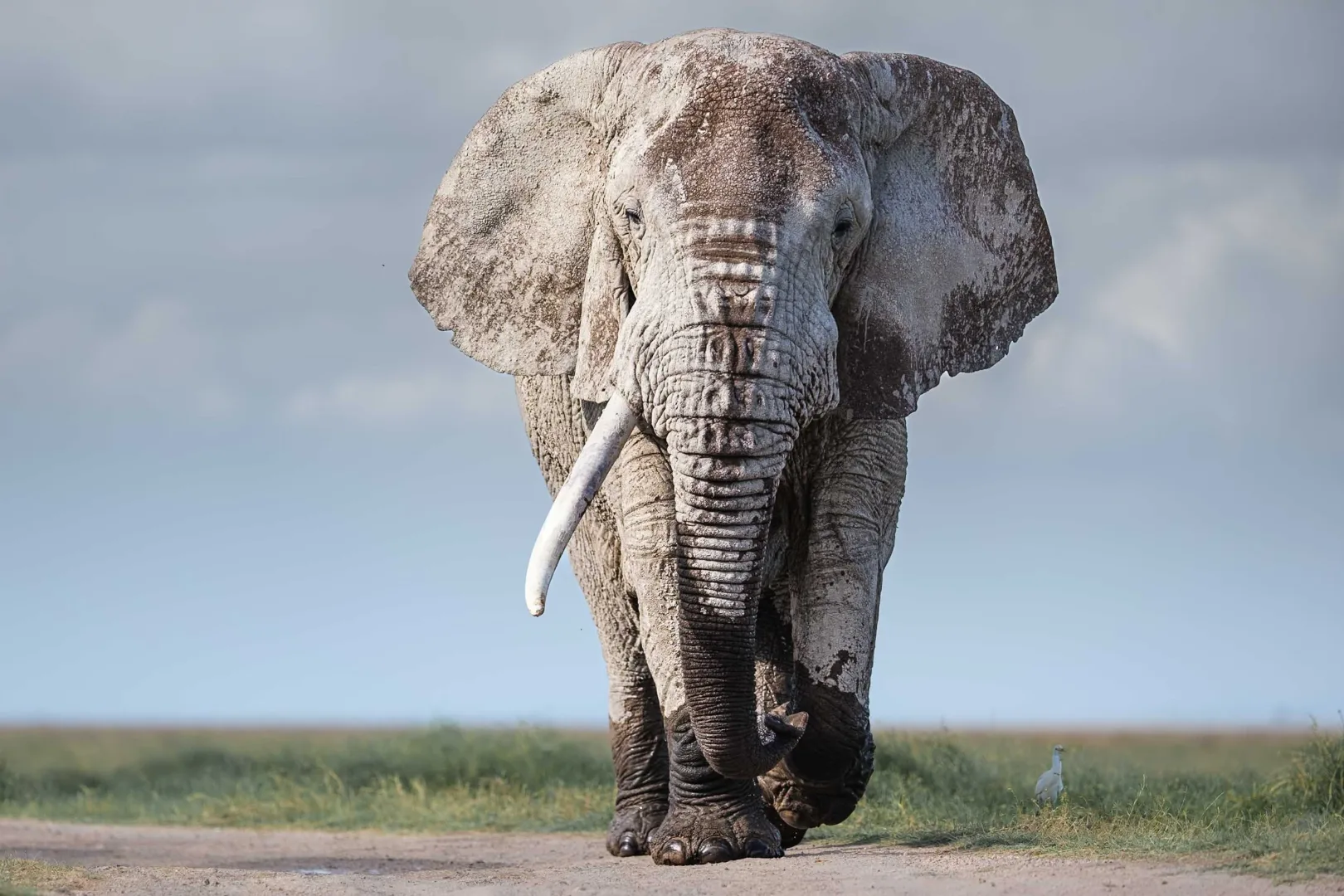
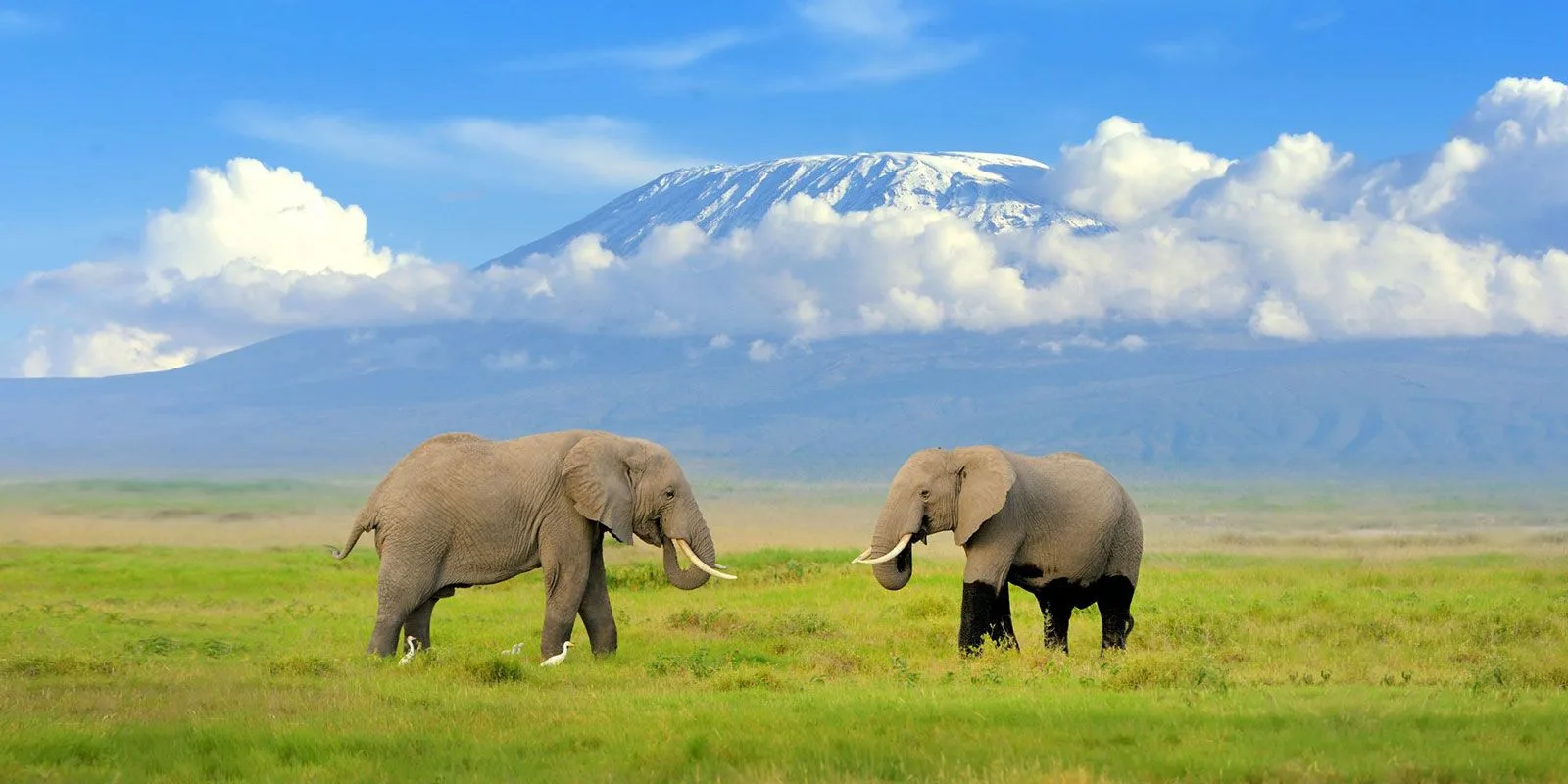
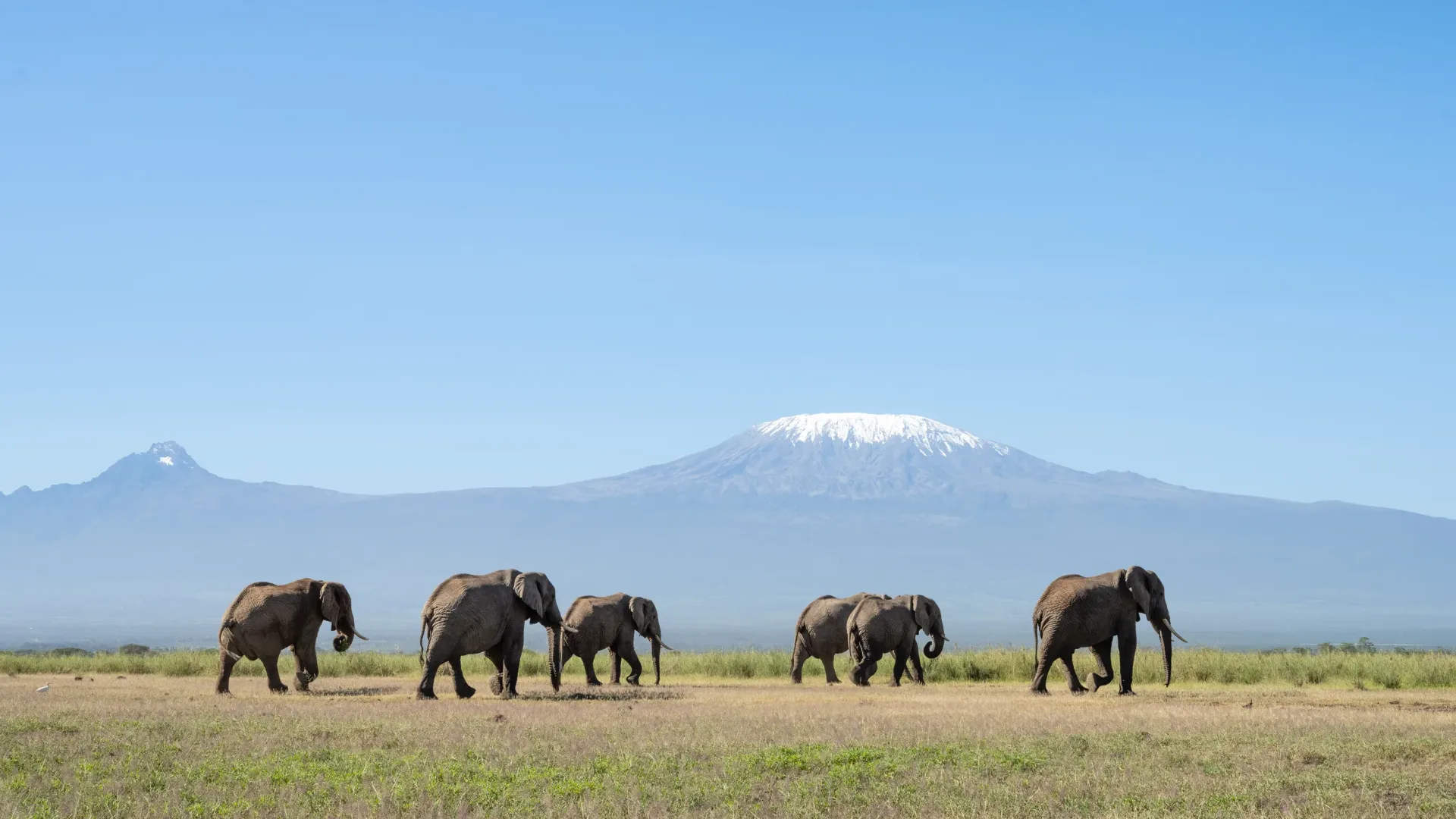
Amboseli National Park, set against the stunning backdrop of Mount Kilimanjaro, is celebrated for its large-tusked elephant bulls and photogenic wetland habitats. Samburu National Reserve in Kenya's arid north protects the "Samburu Special Five" — Grevy's zebra, reticulated giraffe, Somali ostrich, gerenuk, and Beisa oryx — species found nowhere else on a typical East African safari. The Laikipia Plateau, a patchwork of private ranches and conservancies north of Mount Kenya, has become one of Africa's most innovative conservation landscapes, hosting the world's second-largest population of black rhino and pioneering community-based wildlife management.
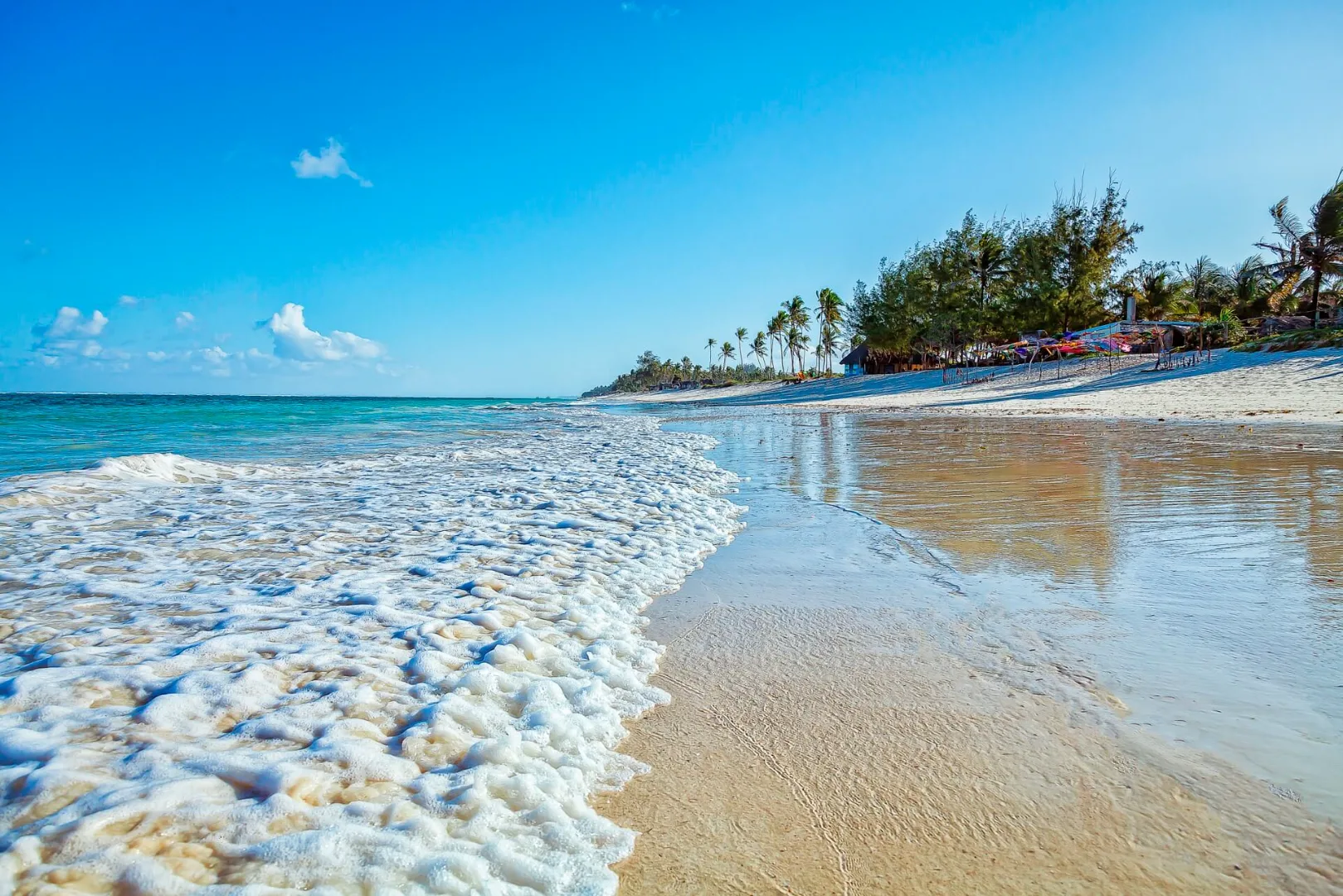
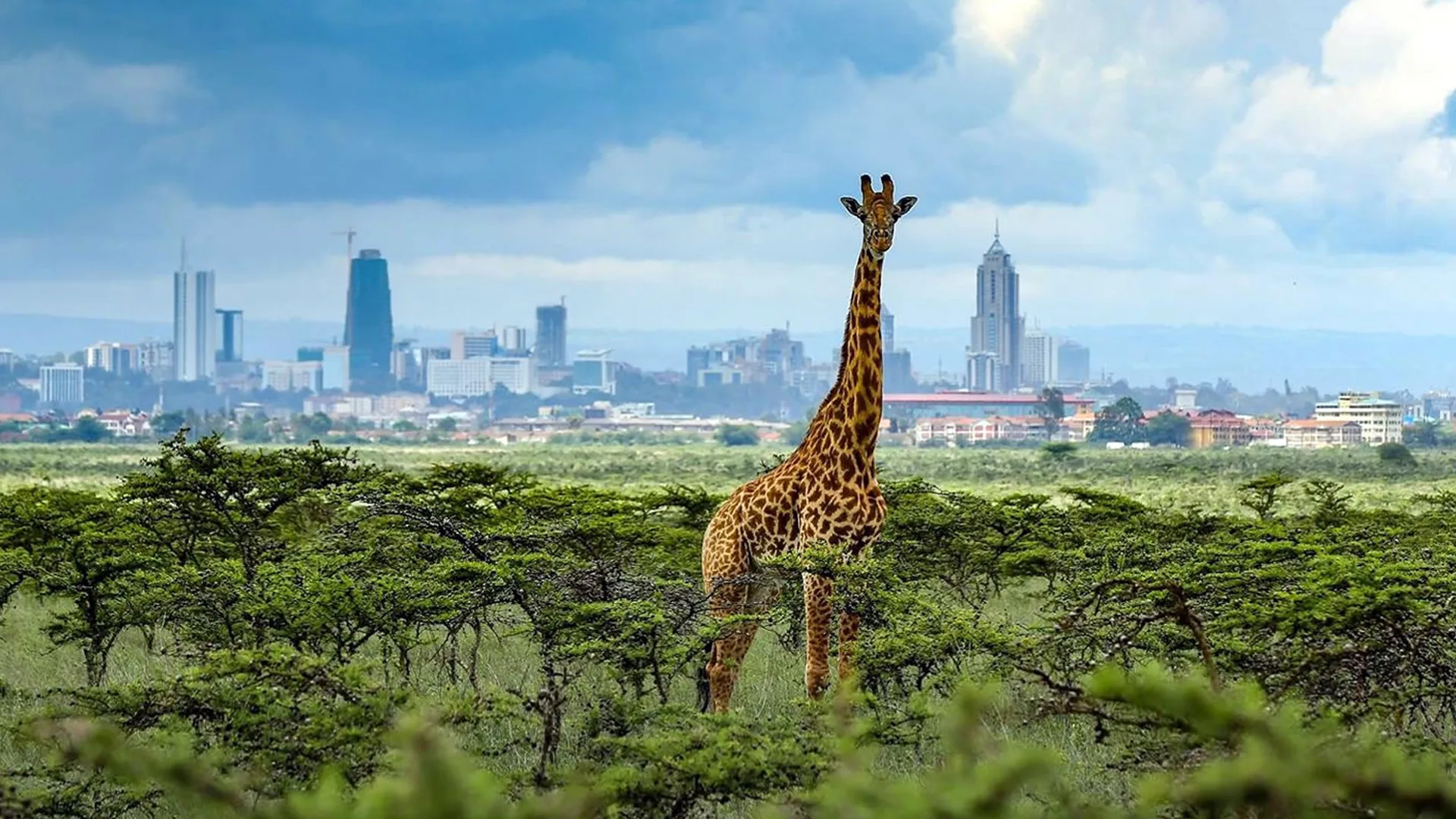
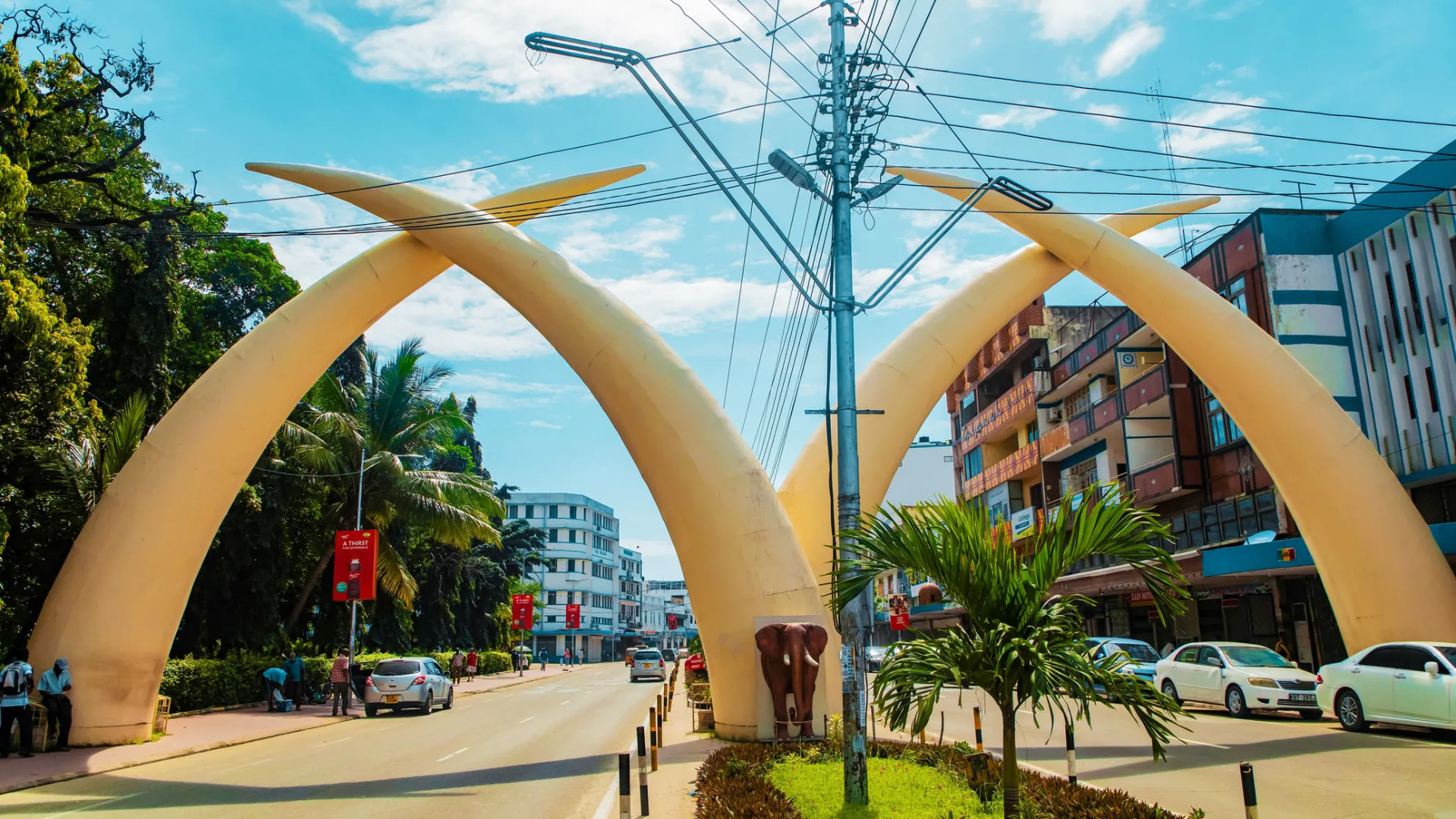
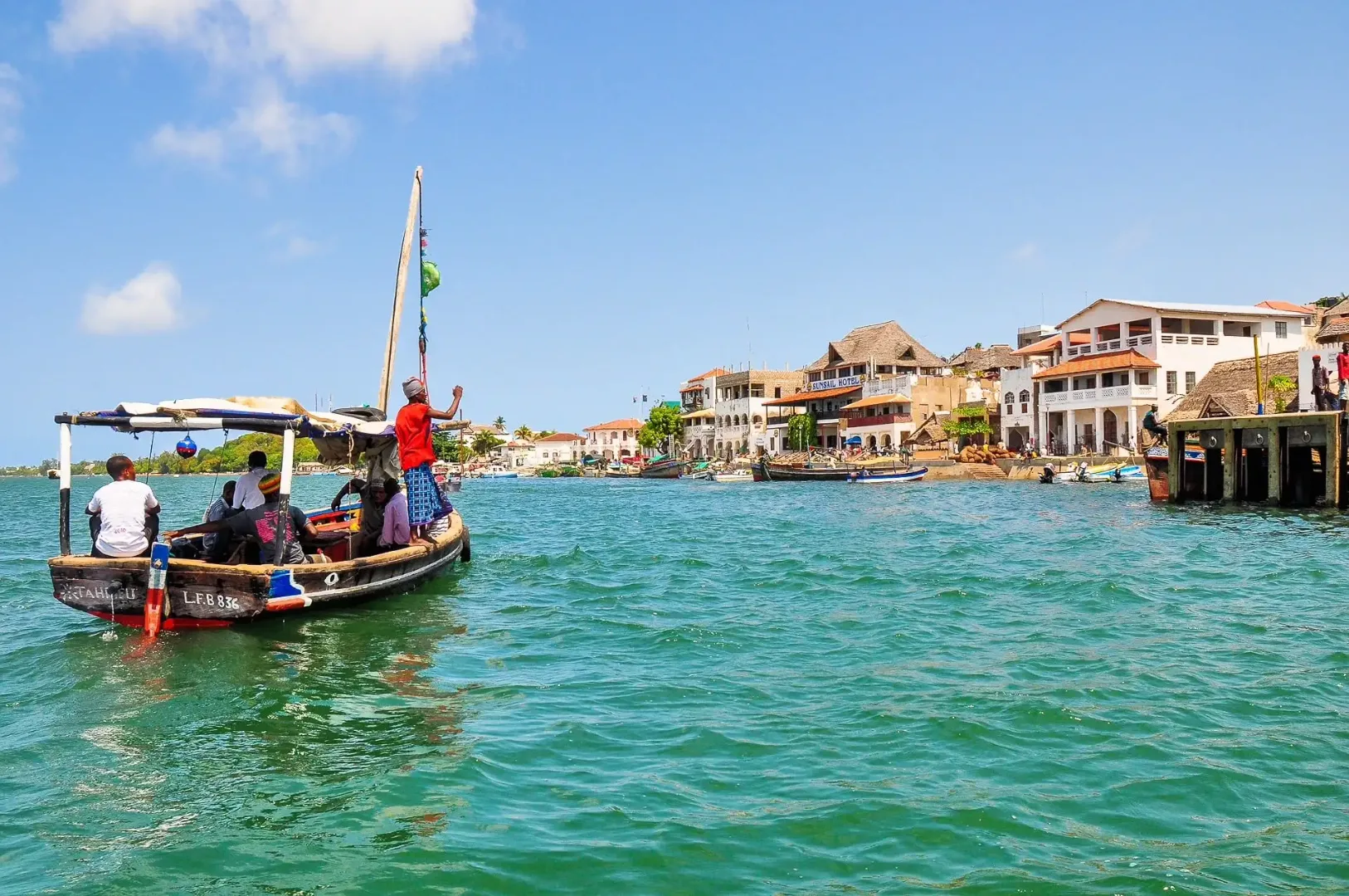
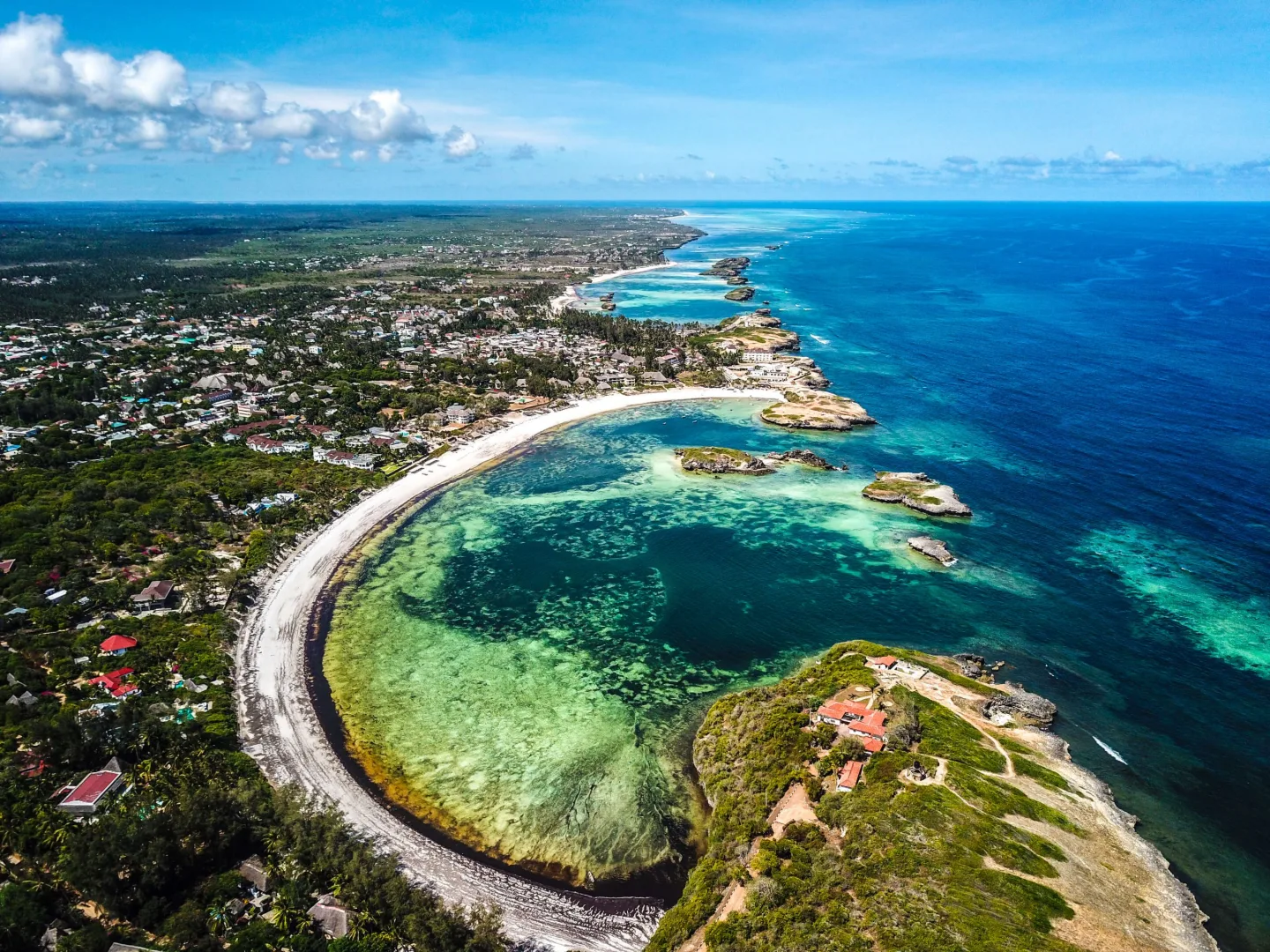
Kenya's coast stretches 536 kilometres along the Indian Ocean, from the Lamu Archipelago — a UNESCO World Heritage Site of ancient Swahili culture — to the white-sand beaches of Diani south of Mombasa. Between the bush and the beach, Nairobi stands as East Africa's most cosmopolitan capital, home to the only national park within a major city's boundaries and a thriving culinary, arts, and nightlife scene. Kenya's tourism infrastructure is the most developed in East Africa, with excellent domestic flight networks, world-class lodges, and a safari guide community whose expertise is regarded as the finest on the continent.
The Kenyan government and private sector have invested heavily in conservation innovation. The Kenya Wildlife Service's ongoing rhino recovery programme, the Lewa-Borana landscape's success in growing black rhino populations, and the Mara conservancy revenue-sharing model are all cited internationally as best practices. For the traveller, this translates into a safari experience that combines thrilling wildlife encounters with a genuine sense that tourism is driving conservation outcomes and community empowerment.