Amboseli Safari Guide
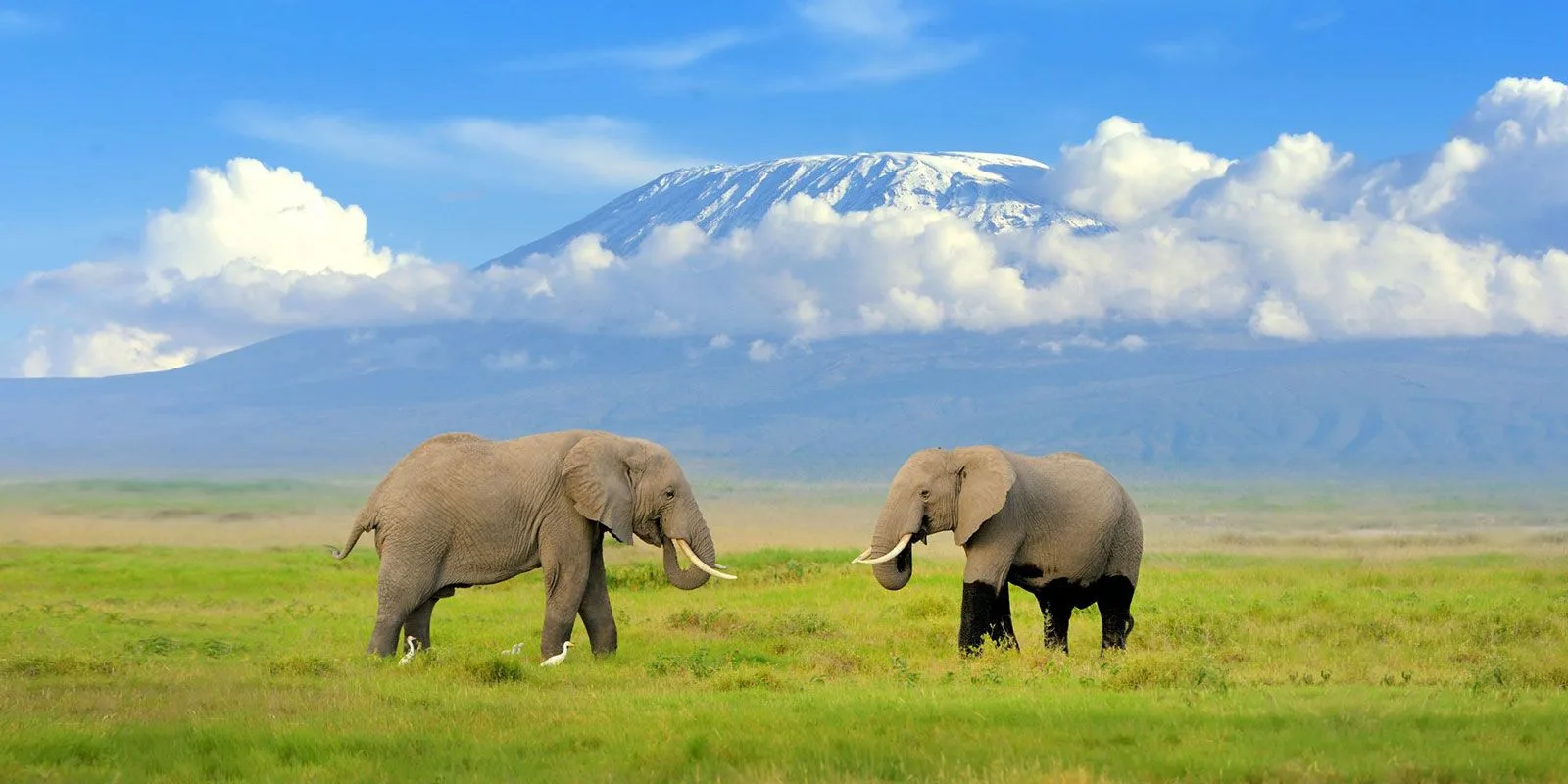
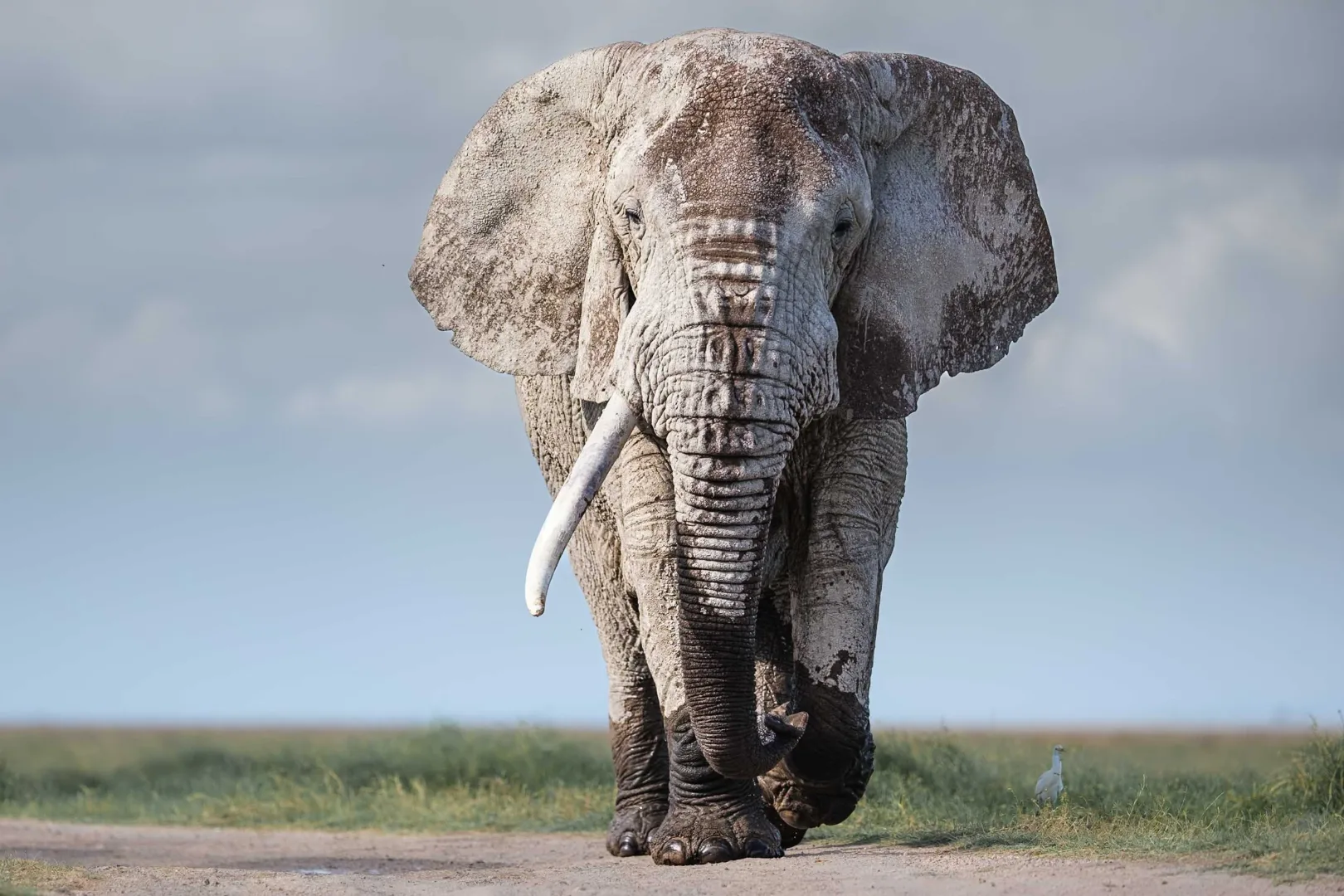
Amboseli National Park encompasses 392 square kilometres of savannah, swampland, and dried-up lake bed at the foot of Mount Kilimanjaro, providing what is arguably Africa's most iconic photographic backdrop — herds of large-tusked elephants silhouetted against the snow-capped peak of the continent's highest mountain. The park's relatively small size belies its enormous wildlife significance and its role in some of the longest-running mammal research projects in Africa. The Amboseli Elephant Research Project, initiated by Dr Cynthia Moss in 1972, has individually identified and tracked over 3,200 elephants across more than five decades, making the Amboseli elephant population the best-studied in the world. The park's approximately 1,800 elephants include matriarchs whose life histories span 60-70 years and bulls carrying some of the largest tusks remaining in Africa. Their tolerance of vehicles — a result of decades of benign research presence — allows for extraordinarily close encounters. Amboseli's ecosystem centres on springs fed by Kilimanjaro's underground meltwater, which emerge as permanent swamps (Enkongo Narok and Ol Tukai) amid otherwise semi-arid terrain. These wetlands attract dense concentrations of hippo, waterfowl, and wading birds, while the surrounding dry savannah supports lion, spotted hyena, zebra, wildebeest, and giraffe. The park's open landscapes and consistent clear mornings — Kilimanjaro is typically visible before cloud cover builds — make Amboseli a photographer's paradise. Over 400 bird species have been recorded, and the combination of wetland and savannah habitats produces exceptional birding year-round.
Wildlife & Ecosystems
Over 1, 600 elephants studied individually by name, more than 400 bird species, lion prides, spotted hyena, cheetah, hippo in the swamps, and large herds of wildebeest and zebra. The park is one of the best places in Kenya to see free-ranging African elephants at close range.
Best Time to Visit
June to October for dry season game viewing with Kilimanjaro visible in early mornings. January to February is also excellent. Kilimanjaro views are clearest at dawn, typically obscured by clouds by mid-morning year-round.
Getting to Amboseli
30-minute charter flight from Nairobi Wilson Airport to Amboseli airstrip. 4-hour drive from Nairobi (240 km) via Namanga. Road conditions are generally good on the main route. The park can be combined with Tsavo for an extended southern Kenya circuit.
Areas We Cover
Observation Hill & Central Swamps
Observation Hill is a volcanic mound rising above Amboseli's central lake system, providing 360-degree panoramic views of the park, the swamps, and Kilimanjaro on clear mornings. The adjacent Enkongo Narok and Ol Tukai swamps are fed by underground rivers flowing from Kilimanjaro's glaciers and attract dense concentrations of elephants, hippos, and waterbirds year-round.
Lake Amboseli Basin
Lake Amboseli is a seasonal playa lake that fills during heavy rains, transforming into a vast shallow wetland attracting flamingos, pelicans, and migrant waders. During the dry season, its cracked, white alkaline surface creates a stark, otherworldly landscape. The lake bed provides unobstructed views of Kilimanjaro and is a favoured location for photographing large elephant herds silhouetted against the mountain.
Kimana Sanctuary
Kimana Sanctuary is a community-owned wildlife conservancy on the southeastern boundary of Amboseli, providing a critical wildlife corridor between Amboseli, Tsavo West, and Chyulu Hills national parks. Established with the Kimana community group ranch, it supports night game drives and guided bush walks not permitted inside the national park. Lion and leopard frequent the riverine forest along the Kimana River.