Nyerere National Park (Selous) Safari Guide
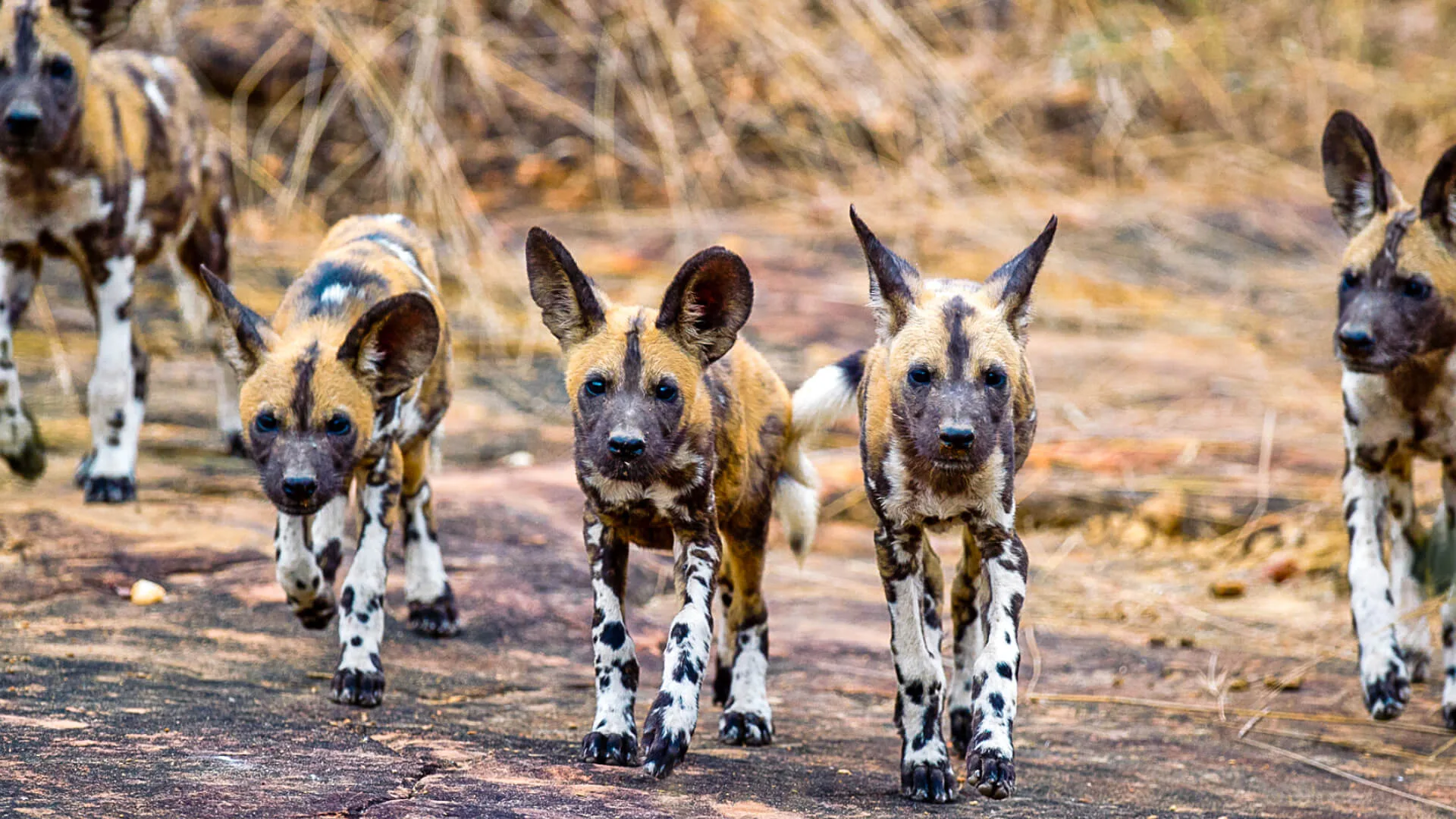
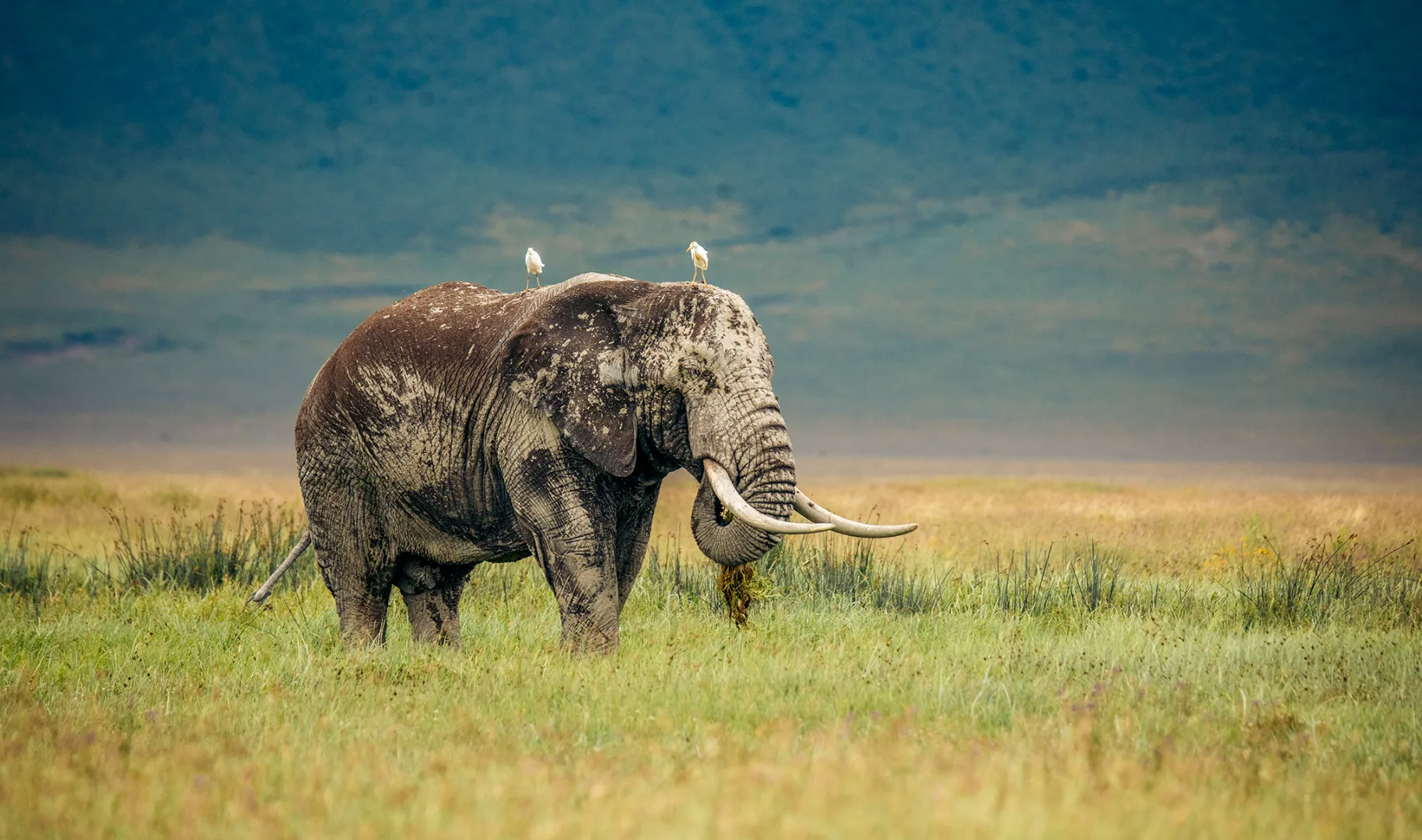
Nyerere National Park, formerly known as the northern sector of the Selous Game Reserve, covers approximately 30,893 square kilometres in southern Tanzania — making it the largest protected area in Africa and a UNESCO World Heritage Site. Renamed in 2019 in honour of Tanzania's founding father Julius Nyerere, this vast wilderness offers a safari experience that stands in dramatic contrast to the well-trodden northern circuit. The Rufiji River, the largest river in East Africa, is the lifeblood of Nyerere. Its meandering channels, oxbow lakes, and sandbanks create a rich riparian ecosystem that supports enormous concentrations of hippo, Nile crocodile, and waterbirds. Boat safaris along the Rufiji are the park's signature experience, gliding past hippo pods, kingfishers, African skimmers, and fish eagles as elephants come to drink on the sandy banks. The river's network of lakes — Tagalala, Manze, and Nzerakera — provides exceptional game-viewing from boats and on foot. Walking safaris are a hallmark of the Nyerere experience, taking advantage of the park's open fly-camping regulations that allow multi-day walking expeditions through untracked wilderness. The park's sheer size means that visitor densities are extraordinarily low — you may not see another vehicle for an entire game drive. Nyerere protects one of Africa's largest populations of African wild dog (estimated at over 1,300 individuals), along with significant numbers of elephant, lion, buffalo, sable antelope, and Lichtenstein's hartebeest — species rarely encountered on the northern circuit.
Wildlife & Ecosystems
1, 300+ African wild dog, large elephant herds, lion, leopard, buffalo, hippo, Nile crocodile, sable antelope, Lichtenstein's hartebeest, greater kudu, 440+ bird species, and one of the densest crocodile populations in Africa.
Best Time to Visit
June to October for dry season game drives and walking safaris. Boat safaris operate year-round but are best from July to October when water levels are manageable. Many camps close during heavy rains (March to May).
Getting to Nyerere National Park (Selous)
1-hour flight from Dar es Salaam to bush airstrips within the park. Road access from Dar es Salaam takes approximately 6-7 hours. Most visitors arrive by light aircraft. The park is often combined with Ruaha for a comprehensive southern circuit safari.
Areas We Cover
Rufiji River & Lakes
The Rufiji River flows west to east through the park's northern sector, its channels creating a network of oxbow lakes — Lake Tagalala, Lake Manze, Lake Nzerakera, and Lake Siwandu — teeming with hippo, crocodile, and waterbirds. Boat safaris along the Rufiji and its lakes are the park's signature experience, offering unique water-level photography of African fish eagle, malachite kingfisher, and pods of up to 50 hippos.
Beho Beho Hills
The Beho Beho area in the park's northern sector features elevated terrain with hot springs, providing panoramic views across the vast Selous wilderness. Named after the Swahili word for breeze, this area was a key battleground during World War I between German and British forces. Walking safaris from Beho Beho's hilltop camps are among the finest in Africa, traversing palm-lined springs and open miombo woodland.
Stiegler's Gorge
Stiegler's Gorge is a dramatic 100-metre-deep, 100-metre-wide canyon carved by the Rufiji River through ancient rock. Named after a Swiss explorer killed by an elephant here in 1907, the gorge is now the site of the Julius Nyerere Hydropower Project. The gorge area supports large crocodile and hippo concentrations, and the surrounding woodland is prime lion and wild dog territory.
Nyerere National Park (Selous) in Pictures