Tarangire National Park Safari Guide
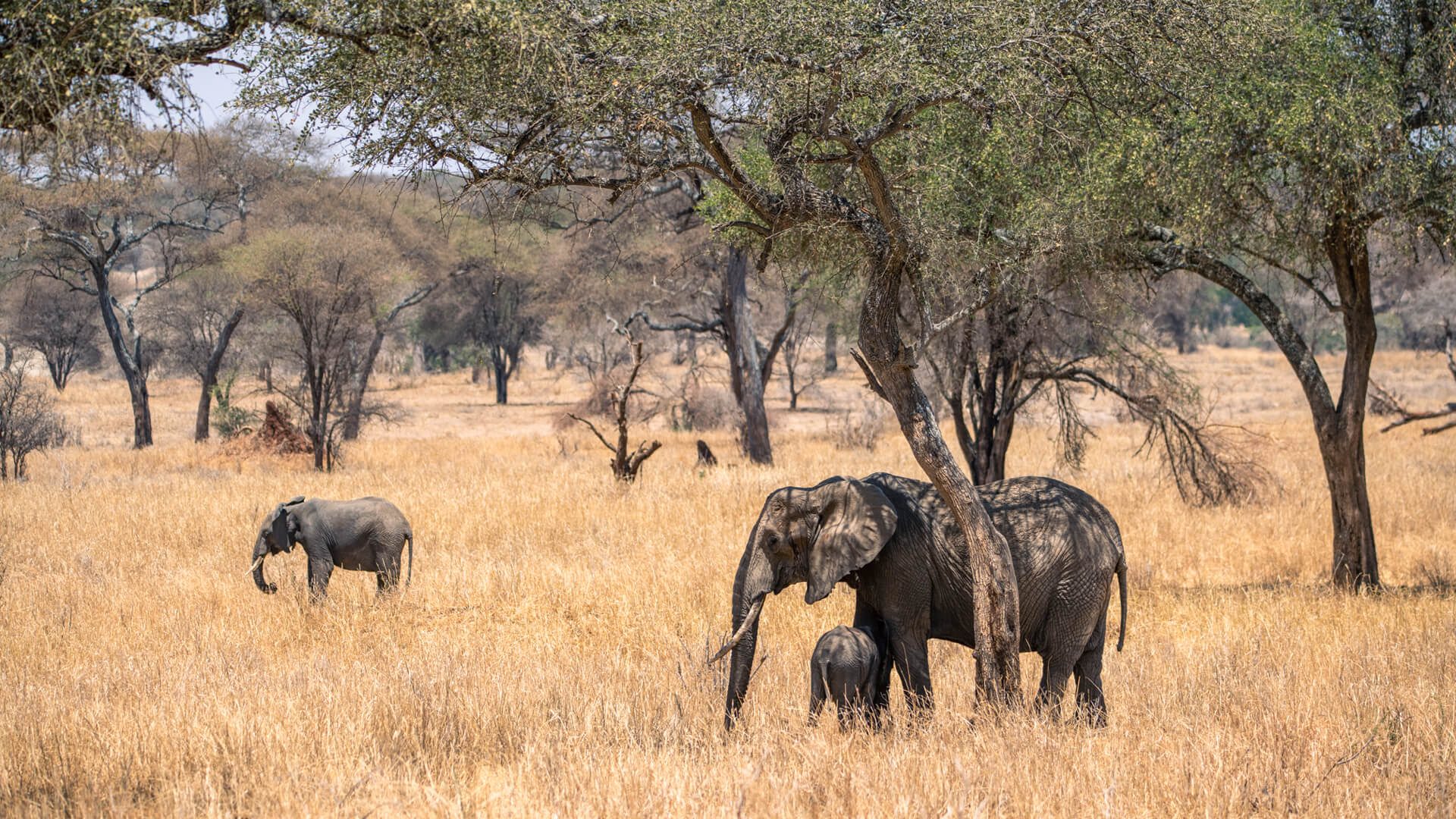
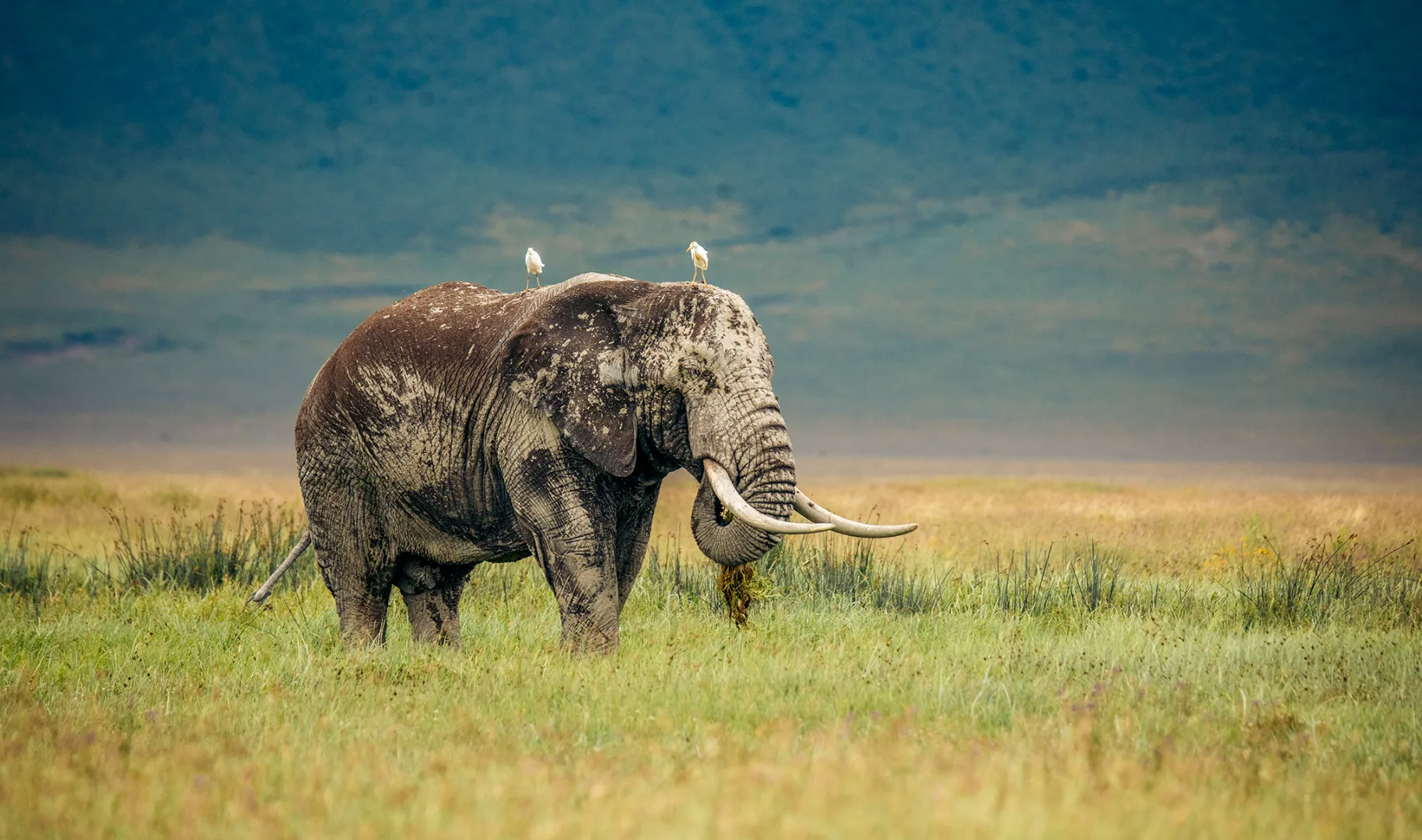
Tarangire National Park covers 2,850 square kilometres of baobab-studded savannah, seasonal swamp, and acacia woodland along the Tarangire River in northern Tanzania. Often described as the northern circuit's best-kept secret, Tarangire transforms during the dry season (June to October) into one of East Africa's most spectacular wildlife arenas as tens of thousands of animals converge on the Tarangire River — the only permanent water source in the surrounding ecosystem. The park is celebrated for its massive elephant herds. During peak dry season, an estimated 3,000 or more elephants gather along the river, forming matriarchal groups of 200-300 individuals that stretch across the floodplains in one of Africa's most stirring sights. The iconic baobab trees that define Tarangire's character can exceed 1,000 years in age and 25 metres in girth, creating a landscape of ancient, almost surreal beauty. Tree-climbing lions are occasionally spotted in the park's southern reaches, while the Silale and Larmakau swamps attract breeding colonies of yellow-collared lovebirds — endemic to Tanzania — and over 550 recorded bird species. Tarangire's proximity to Arusha (approximately 120 kilometres) makes it an ideal first or last stop on a northern circuit safari. The park offers game drives, walking safaris (with special permits), and night drives in adjacent concessions, providing a more intimate and less crowded alternative to the Serengeti for those seeking classic East African bush ambience.
Wildlife & Ecosystems
3, 000+ elephants in dry season, lion, leopard, cheetah, African wild dog, 550+ bird species including endemic yellow-collared lovebird, fringe-eared oryx, gerenuk, lesser kudu, and one of Tanzania's densest python populations.
Best Time to Visit
June to October for peak dry season elephant concentrations and the best general wildlife viewing. November to May for birding, with migratory species present and the landscape lush and green. The park is rewarding year-round.
Getting to Tarangire National Park
2-hour drive from Arusha (120 km) on a paved road. The park entrance is near Kwa Kuchinja, the wildlife corridor linking Tarangire to Lake Manyara. Light aircraft to Tarangire airstrip from Arusha (30 minutes). Often combined with Ngorongoro and Serengeti.
Areas We Cover
Tarangire River Valley
The Tarangire River flows year-round through the heart of the park, creating a narrow green ribbon through brown dry-season savannah. During July to October, the river banks become one of East Africa's most dramatic wildlife congregation points, with elephant herds of 200-300 individuals, buffalo in the thousands, and stalking lion prides. Massive baobab trees — some with trunk circumferences exceeding 15 metres — line the valley.
Silale Swamp
Silale Swamp is a vast seasonal wetland in the southern section of Tarangire, attracting huge herds of buffalo, waterbuck, and reedbuck. The swamp is a critical dry-season refuge and one of the best areas in the park for sighting python draped in acacia trees. Fewer visitors reach this remote southern section, providing a more exclusive game-viewing experience compared to the northern river frontage.
Lemiyon & Northern Boundary
The Lemiyon area near Tarangire's northern boundary is characterized by open grassland dotted with termite mounds and scattered baobabs. This area is frequented by cheetah, who use the flat terrain for high-speed hunts, and harrier hawks that hunt from the termite mounds. Several walking safari operations run guided walks along the northern boundary area, which also offers views of the Rift Valley escarpment.
Tarangire National Park in Pictures