Queen Elizabeth National Park Safari Guide
Queen Elizabeth National Park spans 1,978 square kilometres across the western Rift Valley in southwestern Uganda, straddling the equator between Lake Edward and Lake George, connected by the 32-kilometre Kazinga Channel. Established in 1952 and named after Queen Elizabeth II following her 1954 visit, it is Uganda's most visited park. The park's remarkable biodiversity includes 95 mammal species and 612 bird species — one of the highest counts of any single protected area in the world.
Wildlife & Ecosystems
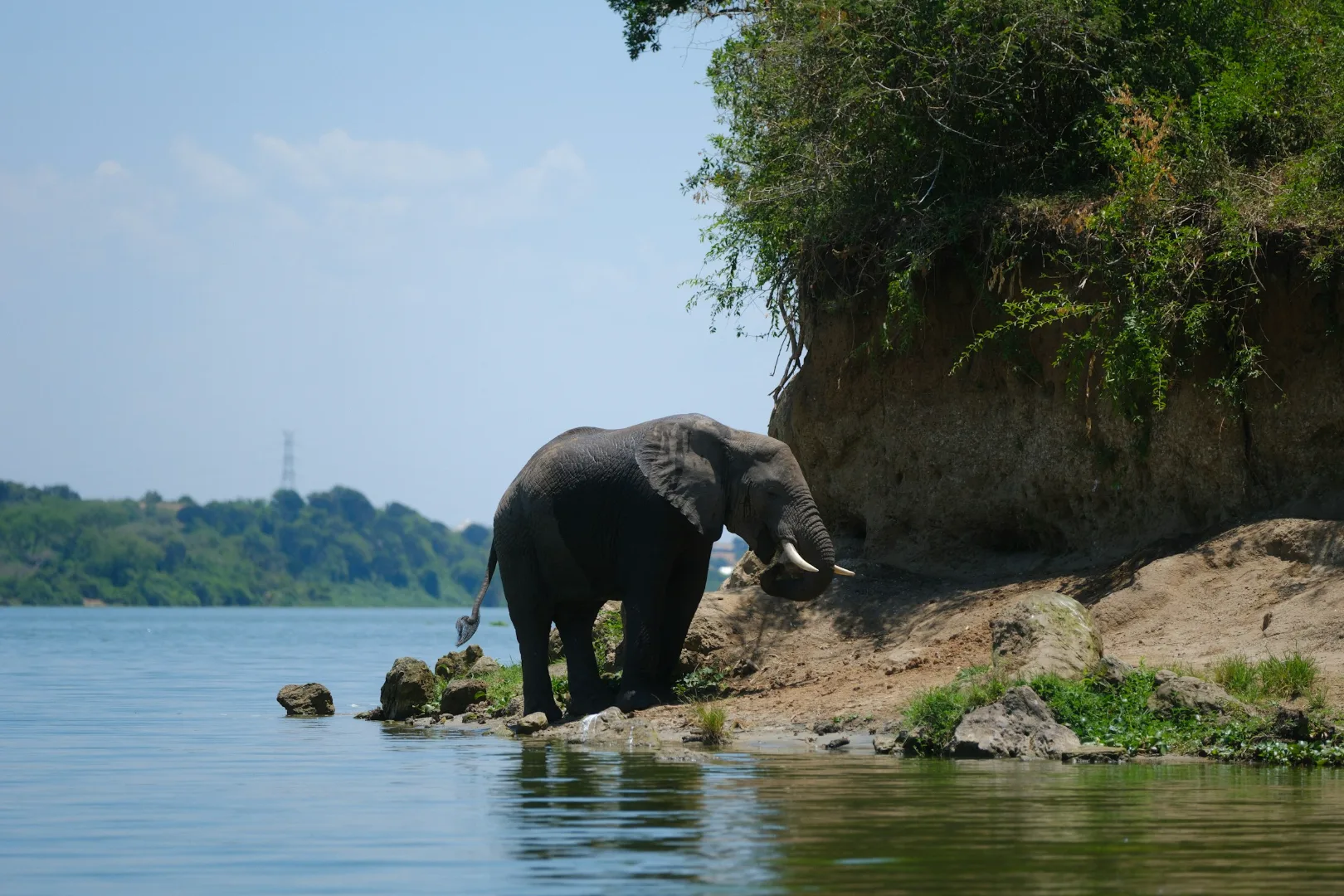
Tree-climbing lions in the Ishasha sector, 612 bird species, large hippo concentrations in the Kazinga Channel (estimated 4, 000), elephant, buffalo, Uganda kob, topi, giant forest hog, and chimpanzees in Kyambura Gorge. The Kazinga Channel has one of the highest densities of hippo and Nile crocodile in Africa.
Best Time to Visit
June to September and December to February dry seasons. The Kazinga Channel boat cruise operates year-round and is always productive for wildlife and birds.
Getting to Queen Elizabeth National Park
Charter flight from Entebbe to Kasese or Mweya airstrips (1 hour). By road: 6 hours from Kampala (400 km) via the Mbarara road. Often combined with Bwindi gorilla trekking in a 7-10 day itinerary.
Areas We Cover
Kazinga Channel
The Kazinga Channel is a 32-kilometre natural waterway connecting Lake Edward to Lake George, supporting one of the highest concentrations of hippo in Africa — an estimated 4,000 individuals. The 2-hour boat cruise from Mweya Peninsula is Uganda's most popular safari activity, passing pods of hippos, massive Nile crocodiles, buffalo herds at the water's edge, and hundreds of waterbirds including African fish eagle, pied kingfisher, and pink-backed pelican.
Ishasha Sector
The Ishasha sector in the park's southern section is one of only two places in Africa (alongside Lake Manyara) where lions regularly climb and rest in fig trees. Researchers believe the behaviour may be related to escaping tsetse flies or gaining a better vantage point. The Ishasha River forms the border with the Democratic Republic of Congo and supports healthy populations of hippo, elephant, and topi on its floodplains.