Western Cape & Winelands Reserves Safari Guide
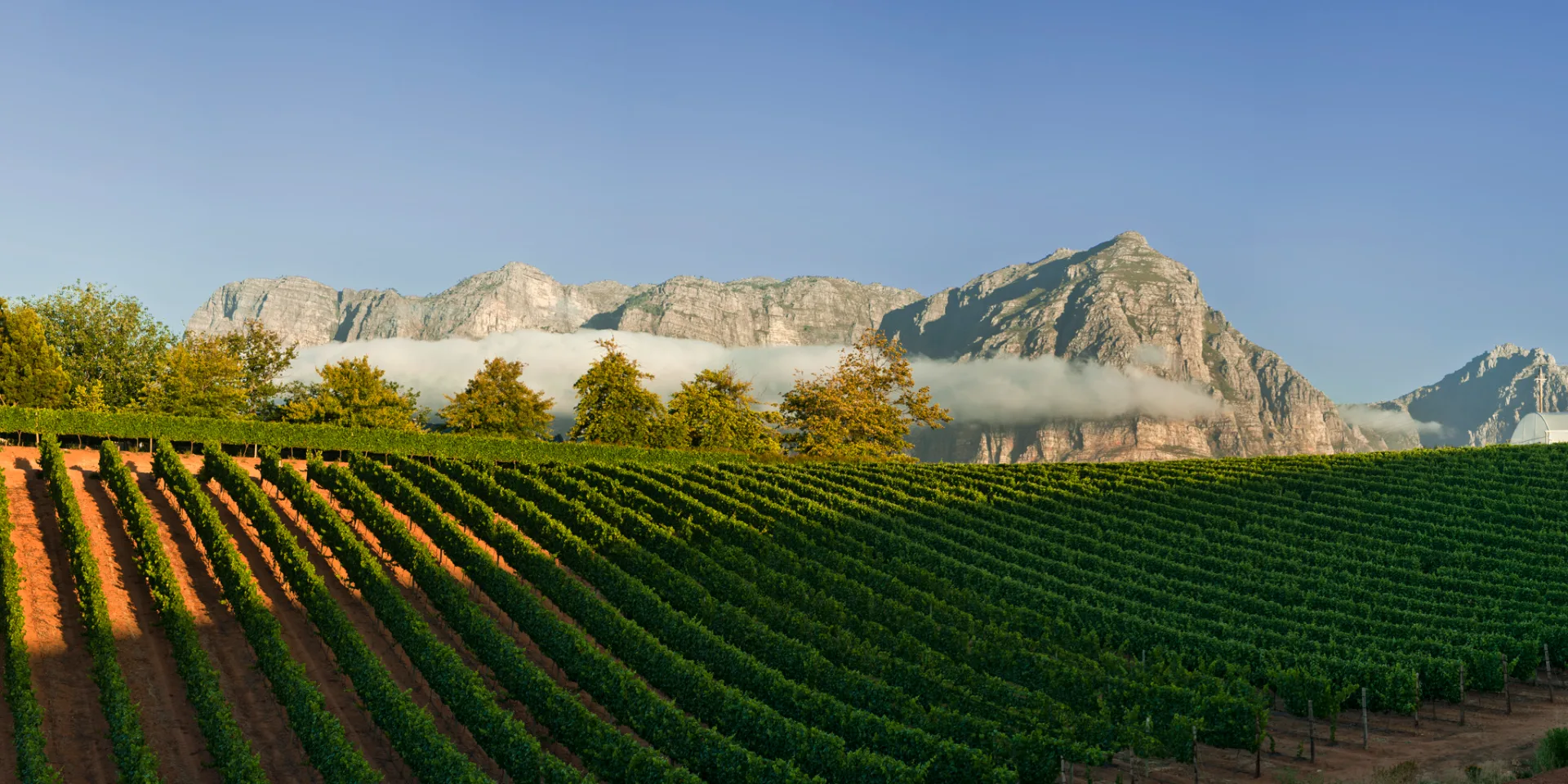
The Cape Winelands region, centred on the historic towns of Stellenbosch and Franschhoek in the mountain valleys east of Cape Town, is the heart of South Africa's world-renowned wine industry and one of the most beautiful agricultural landscapes on Earth. Rows of vines climb the slopes of dramatic mountain ranges — the Helderberg, Simonsberg, and Groot Drakenstein — backed by the craggy peaks of the Hottentots Holland Mountains, creating a setting that rivals Tuscany, Burgundy, and the Napa Valley for sheer scenic beauty. South Africa's wine heritage dates to 1659, when the first vines were planted by the Dutch East India Company at the Cape of Good Hope. Today, the Winelands encompass over 560 wine estates producing internationally acclaimed wines, with particular strength in Chenin Blanc, Pinotage (South Africa's signature grape), Cabernet Sauvignon, and méthode cap classique sparkling wine. The region's wine-and-food culture has evolved into one of Africa's most sophisticated culinary scenes, with restaurants like The Test Kitchen, La Colombe, and Delaire Graff consistently ranked among the world's best. The Winelands are much more than a wine destination. Stellenbosch, founded in 1679, is one of the best-preserved examples of Cape Dutch architecture in South Africa, with oak-lined streets, whitewashed gabled buildings, and a vibrant university town atmosphere. Franschhoek, established by French Huguenot settlers in 1688, channels a distinctly Gallic charm with its world-class restaurants, artisan shops, and the Franschhoek Wine Tram — a hop-on, hop-off tram and tram-bus that connects eight wine estates through spectacular vineyard scenery. The Winelands are just 45-60 minutes from Cape Town, making them an essential element of any Cape stay.
Wildlife & Ecosystems
Big Five in malaria-free private reserves (Sanbona, Aquila, Inverdoorn). Marine Big Five on the coast: southern right whale (calving June-November), African penguin at Boulders Beach (endangered, approximately 2, 000 at Simon's Town colony), Cape fur seal, great white shark, and bottlenose dolphin. Over 300 bird species in the Cape Floral Kingdom.
Best Time to Visit
October to April for warm weather, long days, and outdoor wine tasting. February to April is harvest season (crush), when the estates are at their most energetic. Winter (June-August) brings cosy fireside tastings, fewer crowds, and lower prices.
Getting to Western Cape & Winelands Reserves
Cape Town International Airport (CPT) receives direct flights from London (11.5 hours), Amsterdam, Dubai, Doha, and Johannesburg (2 hours). Sanbona Wildlife Reserve is 3 hours from Cape Town (280 km). Aquila Private Game Reserve is 2 hours (175 km). The Garden Route extends 300 km from Mossel Bay to Storms River.
Areas We Cover
Sanbona Wildlife Reserve
Sanbona Wildlife Reserve spans 580 square kilometres in the Little Karoo, 3 hours from Cape Town, making it the largest private reserve in the Western Cape. It hosts all Big Five in a malaria-free environment, along with naturally occurring white lions, San rock art sites over 3,500 years old, and Khoi-San heritage tours. The semi-arid Karoo landscape of red rock formations, succulent plains, and fynbos-covered mountains creates a dramatically different safari aesthetic.
Hermanus & Walker Bay
Hermanus on the Walker Bay coast is widely regarded as one of the world's best land-based whale watching destinations. From June to November, up to 100 southern right whales enter the bay to calve, visible from cliff-top paths without a boat. The town employs the world's only 'whale crier' to alert visitors. Nearby Gansbaai offers great white shark cage diving, and the Fernkloof Nature Reserve protects over 1,500 plant species of the Cape Floral Kingdom.
Cape Town & Cape Peninsula
The Cape Peninsula extends 75 kilometres south from Cape Town to the Cape of Good Hope, encompassing Table Mountain National Park (a UNESCO World Heritage Site and New7Wonder of Nature), Boulders Beach African penguin colony (approximately 2,000 birds), the Kirstenbosch National Botanical Garden (one of the world's great botanical gardens, founded 1913), and the Cape Point lighthouse. The Two Oceans Aquarium and V&A Waterfront seal colony provide marine encounters within the city itself.