South Africa
South Africa Safari Guide
South Africa is the most accessible and diverse safari destination on the African continent, a nation that packs extraordinary wildlife, world-class wine, cosmopolitan cities, and dramatic coastal scenery into a single, well-infrastructured country with no jet lag from Europe and minimal health precautions. For the first-time Africa visitor, South Africa offers a gentle and rewarding introduction; for the seasoned safari-goer, it delivers experiences — from tracking the Big Five in private reserves to whale-watching from clifftop restaurants — that complement and enrich any African travel portfolio.
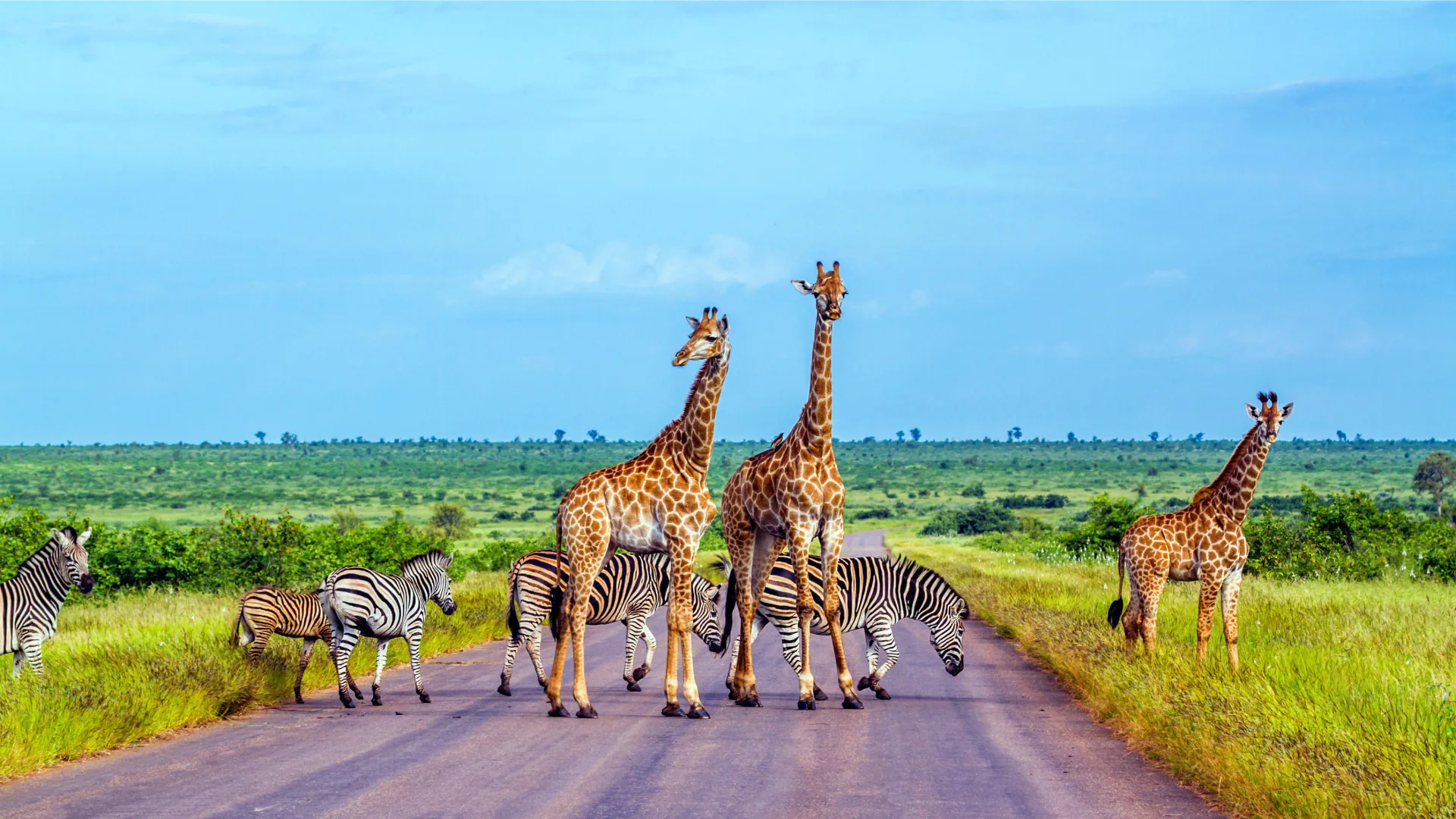
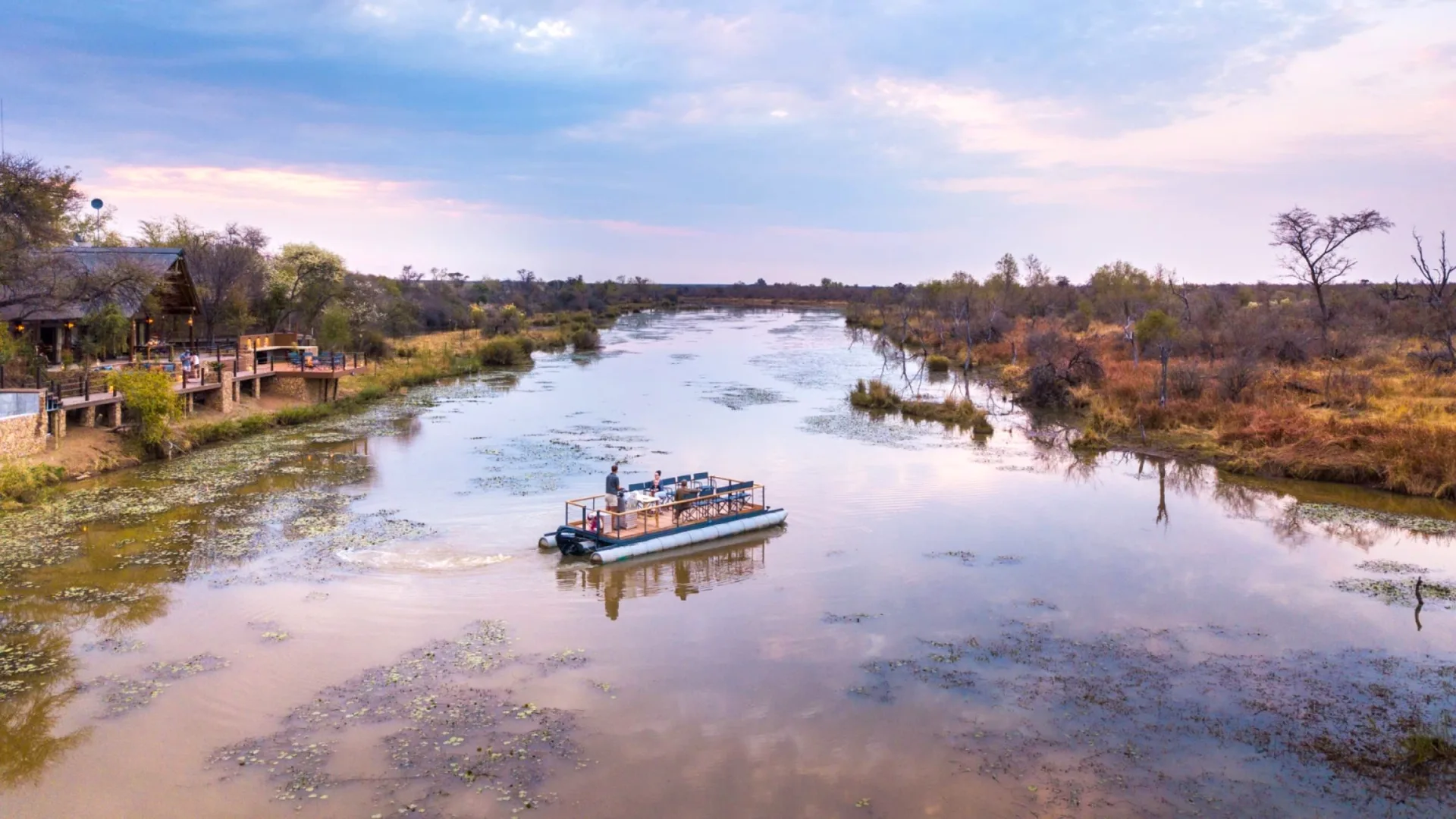
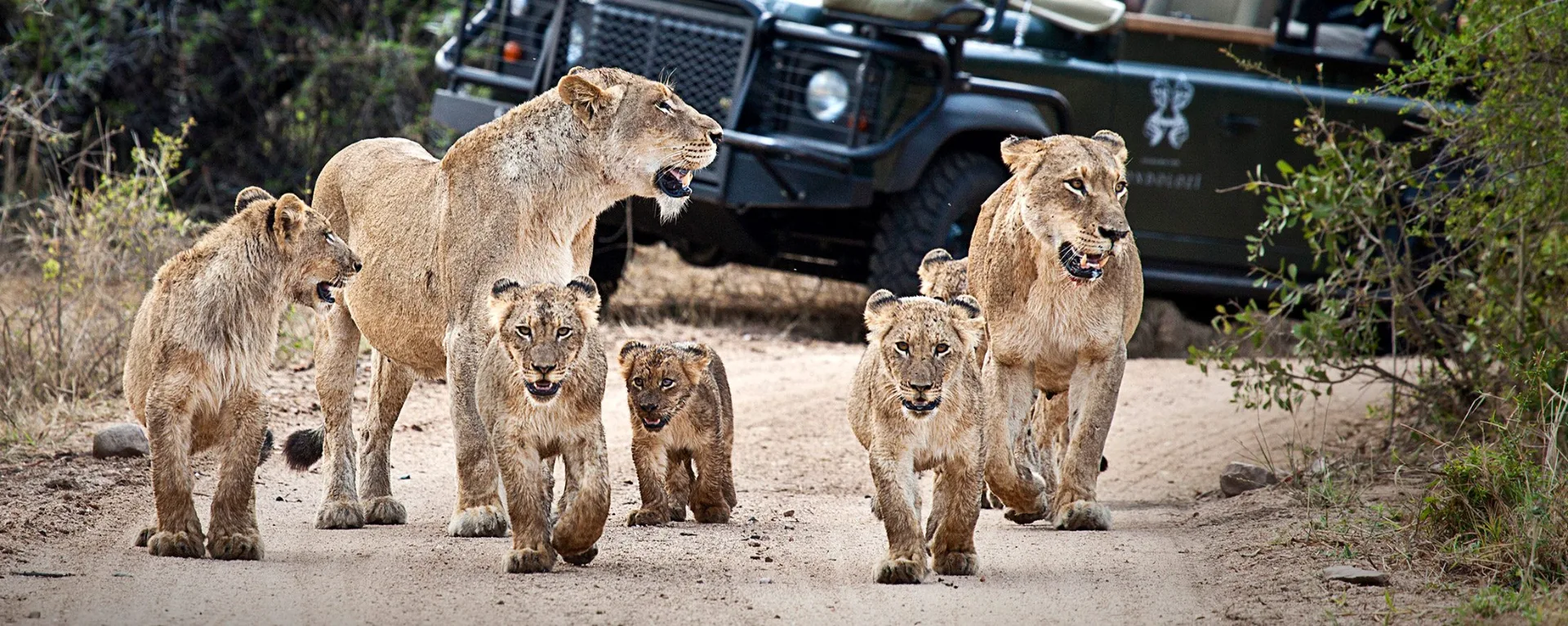
The Greater Kruger ecosystem is South Africa's safari heartland, encompassing the 19,485-square-kilometre Kruger National Park and a constellation of adjacent private game reserves — Sabi Sand, Timbavati, Klaserie, Manyeleti, and Balule — whose fences have been removed to allow wildlife to move freely across approximately 25,000 square kilometres of protected bushveld. The private reserves offer what many consider the finest game-viewing experience in Southern Africa: expert trackers and guides in open 4x4 vehicles, off-road driving, walking safaris, and intimate encounters with Big Five wildlife in camps that range from understated luxury to ultra-opulent.
For families with young children or travellers concerned about malaria, the malaria-free reserves of the Eastern Cape (Shamwazi, Kwandwe, Amakhala), the Waterberg (Marakele, Welgevonden), Madikwe Game Reserve, and Pilanesberg National Park provide Big Five safari experiences without the need for prophylactic medication — a significant practical advantage.
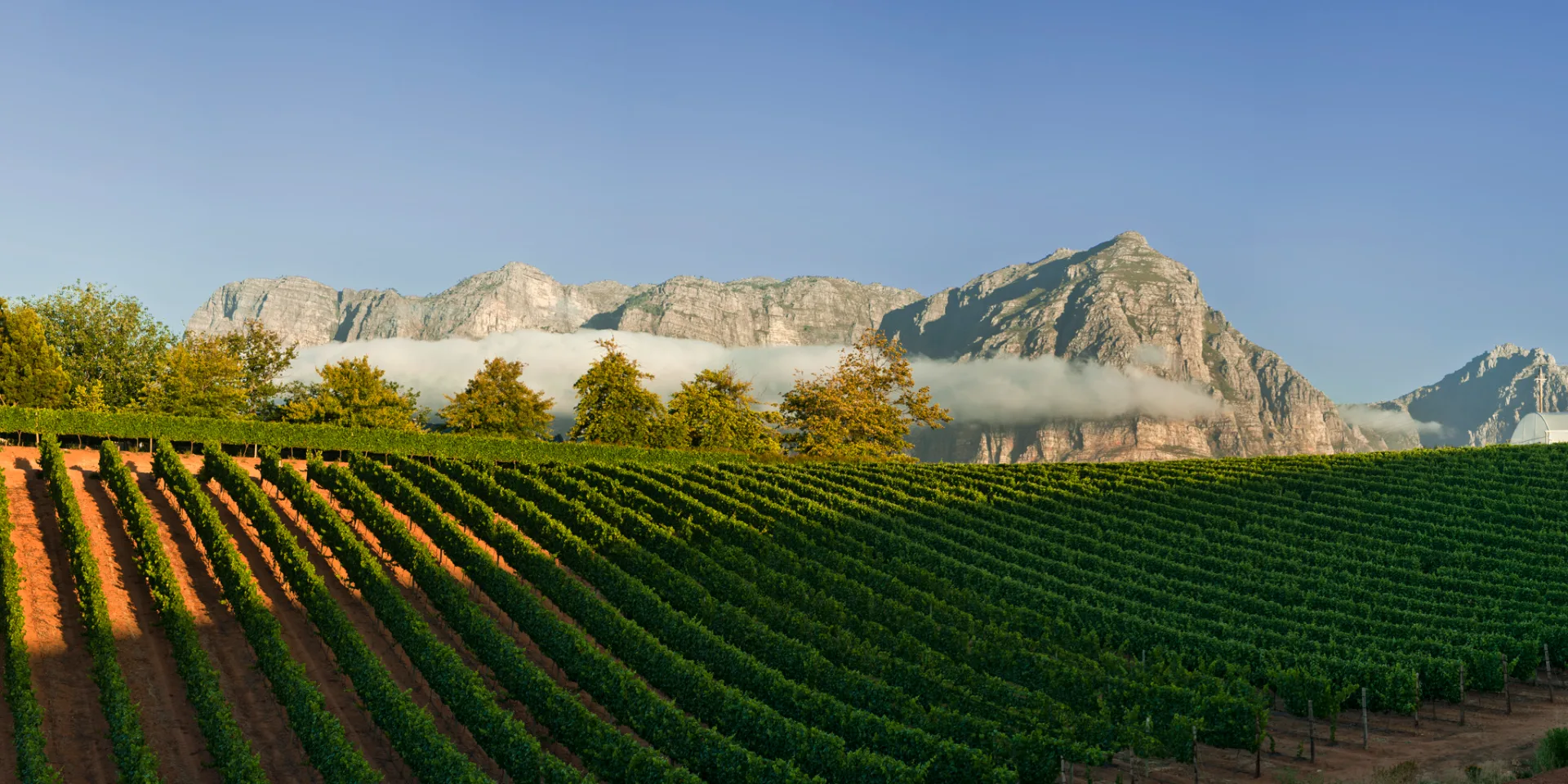
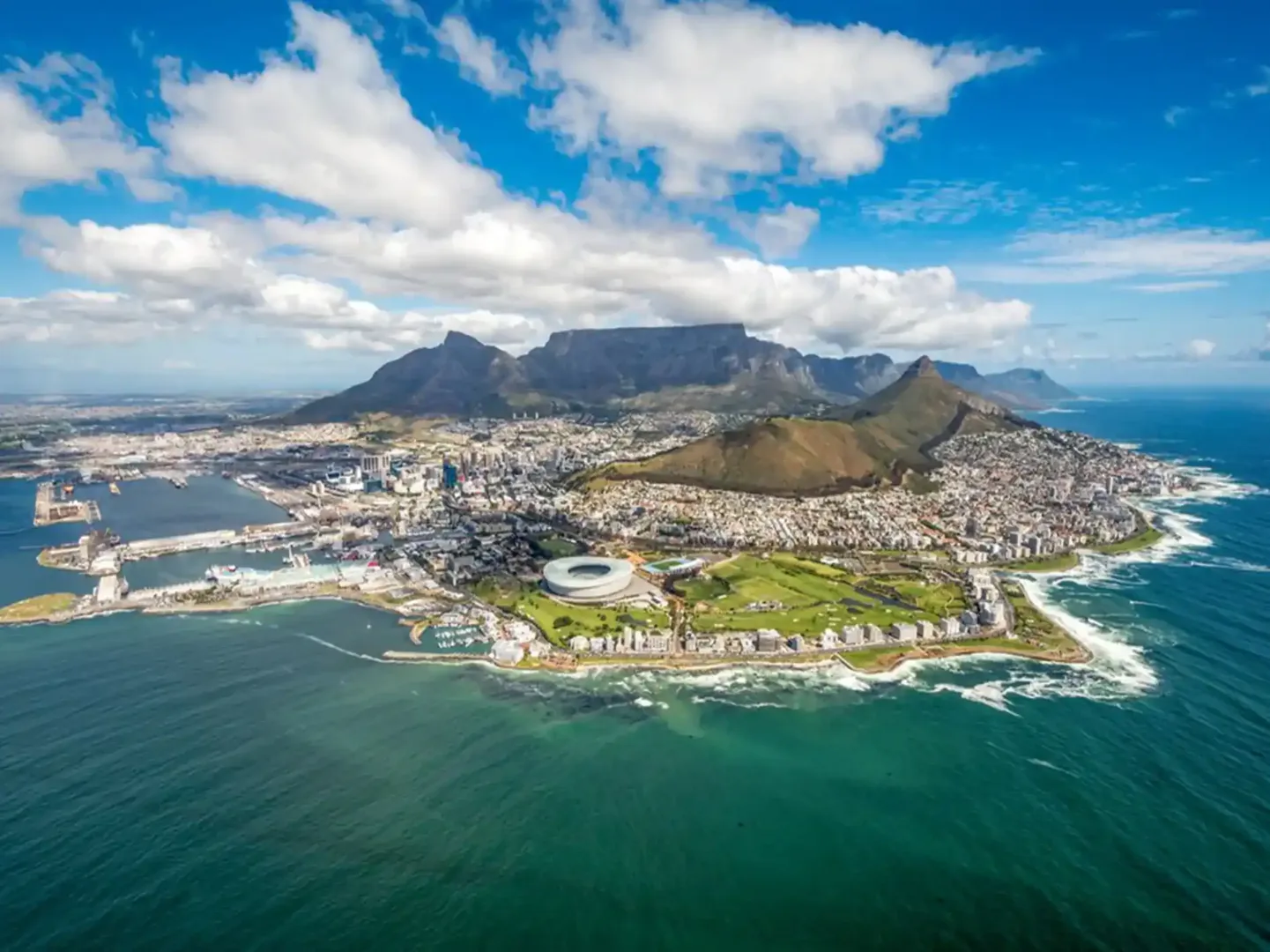
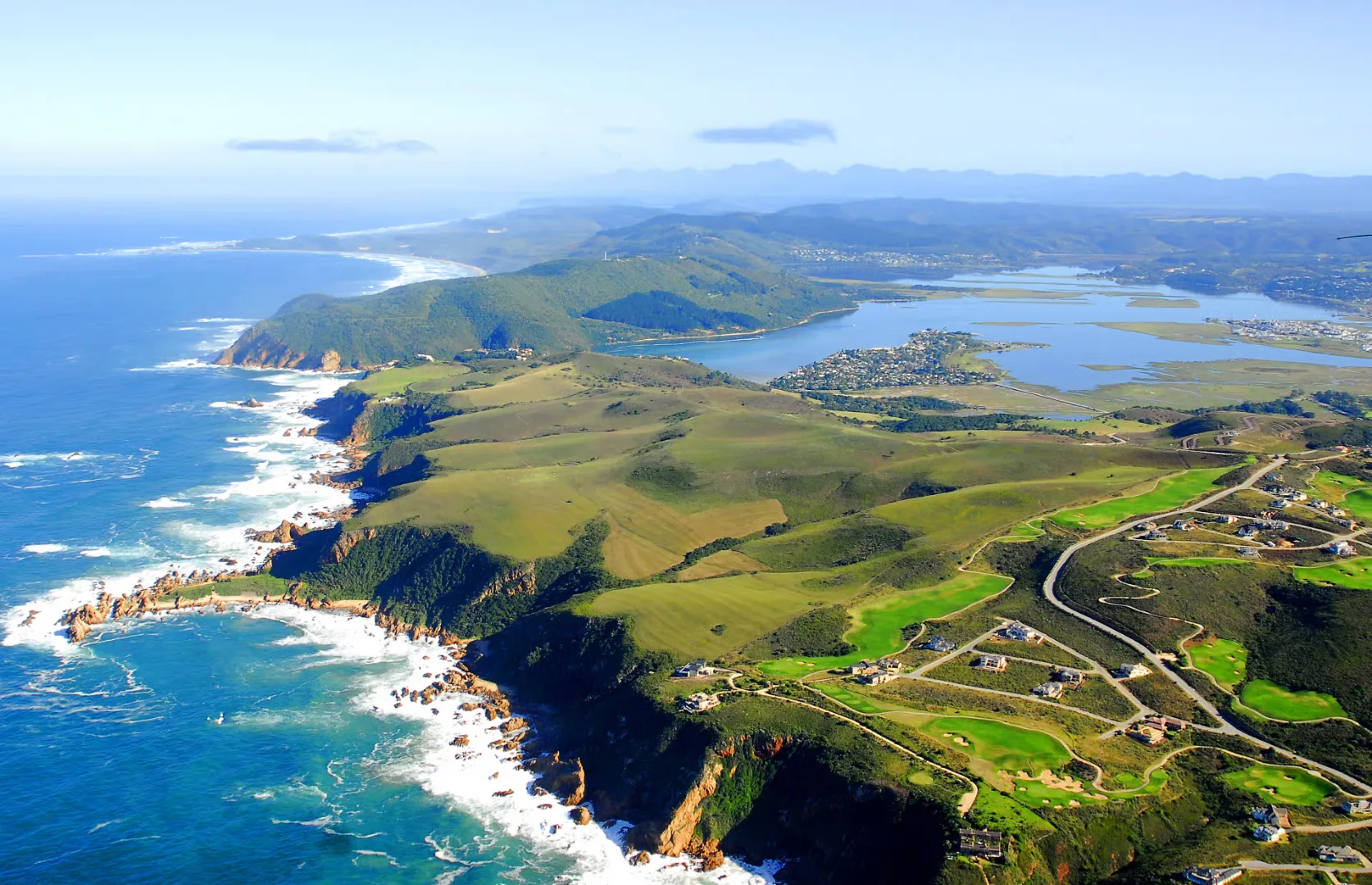
Cape Town, consistently ranked among the world's most beautiful cities, anchors the Western Cape's extraordinary offering of Table Mountain, the Cape Peninsula's penguin colonies and whale-watching at Hermanus, the Stellenbosch and Franschhoek winelands, and the Garden Route's dramatic coastline from Mossel Bay to Storms River. The combination of a Cape Town city stay with a Kruger safari — connected by a 2-hour flight — creates one of Africa's most complete travel experiences.
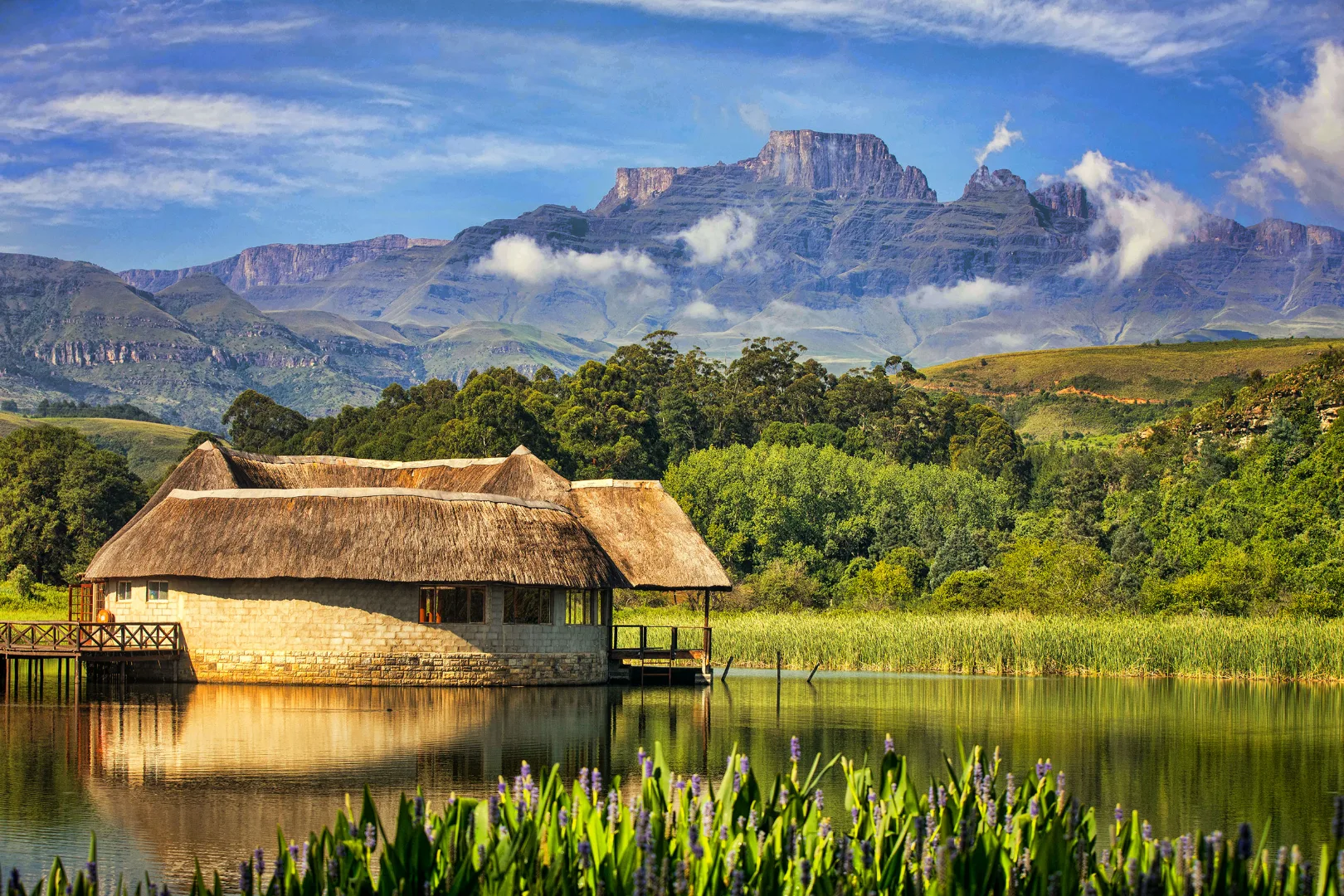
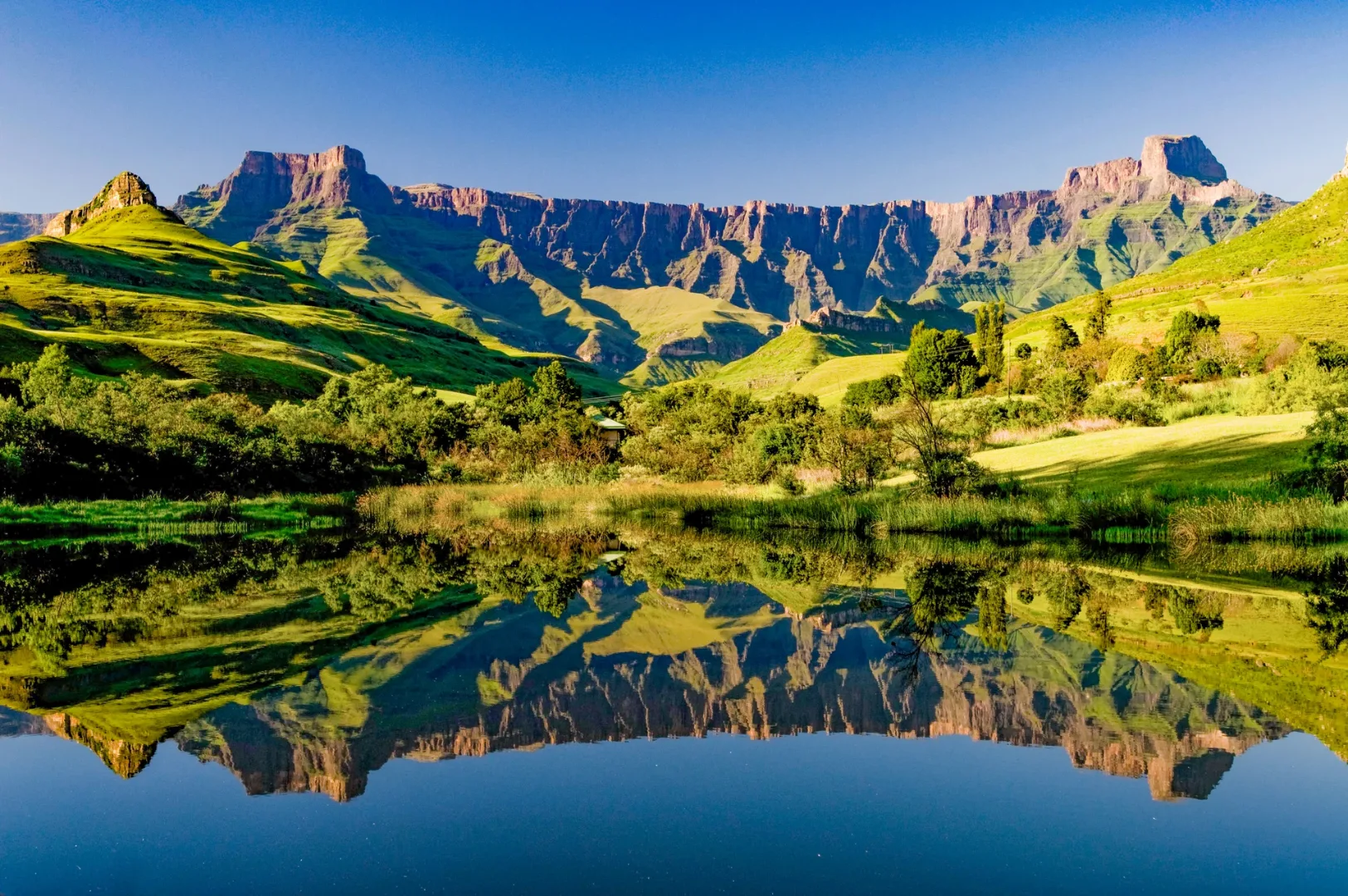
KwaZulu-Natal adds another dimension with Hluhluwe-iMfolozi Park (the oldest game reserve in Africa and the cradle of rhino conservation), the iSimangaliso Wetland Park (a UNESCO World Heritage Site stretching along the coast), and the Drakensberg mountains (a UNESCO-listed mountain range of soaring basalt peaks and San rock art). South Africa's tourism infrastructure — excellent roads, reliable domestic flights, world-class accommodation at every price point, and English as a lingua franca — makes independent travel straightforward, while the warmth and diversity of its people add a human richness that no other African destination can quite match.
Best Time to Visit
South Africa's vast size and geographic diversity mean that there is truly no bad time to visit, though specific regions and experiences have optimal seasons.
The dry winter months of May to September are peak safari season in the Kruger and private reserves. Vegetation thins as deciduous trees lose their leaves, making wildlife easier to spot, and animals concentrate around remaining water sources. Morning and evening temperatures can drop to near freezing (particularly June-July), but midday is pleasant. This period coincides with whale season on the southern coast, where southern right whales calve in the sheltered bays near Hermanus from June to November — one of the world's premier land-based whale-watching experiences.
The summer months of November to February bring warmer temperatures and afternoon thunderstorms to the bushveld, but also lush green landscapes, migratory birds, and newborn animals. Summer is the best time for the Cape region, with long days, warm weather, and vineyards in full leaf. The Garden Route is pleasant year-round but most popular from November to March.
Spring (September-October) and autumn (March-April) offer shoulder-season advantages: moderate temperatures, fewer tourists, and transitional wildlife behaviour. The wildflower season in Namaqualand and the West Coast (August-September) is one of South Africa's most spectacular natural events.
KwaZulu-Natal enjoys a subtropical climate with warm, humid summers and mild, dry winters. The Drakensberg is best visited from April to September when skies are clear and hiking conditions are ideal.
Wildlife & Ecosystems
South Africa's wildlife conservation efforts have produced some of the continent's greatest success stories, particularly in rhino recovery and the rewilding of private lands that were formerly cattle ranches.
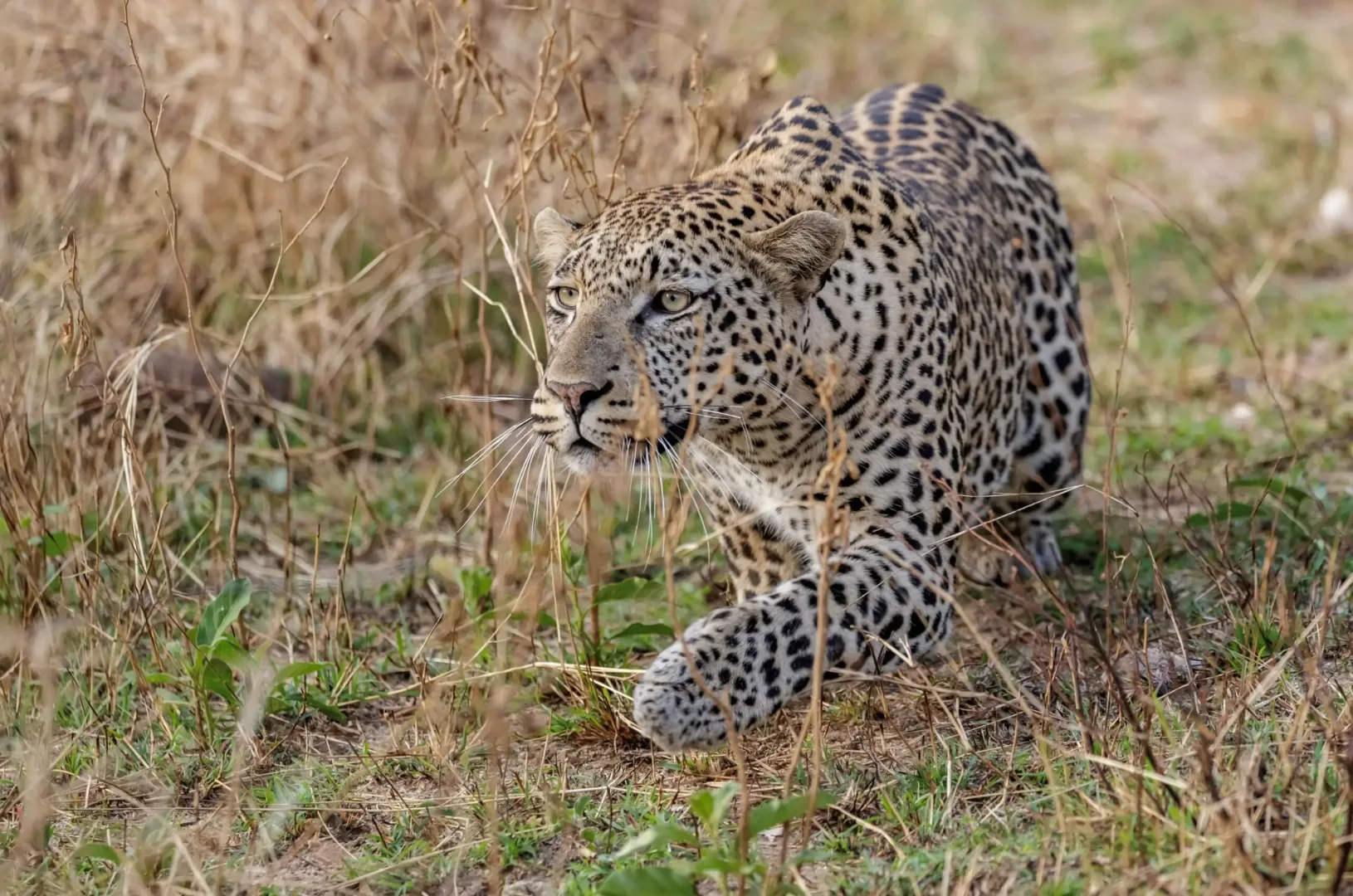
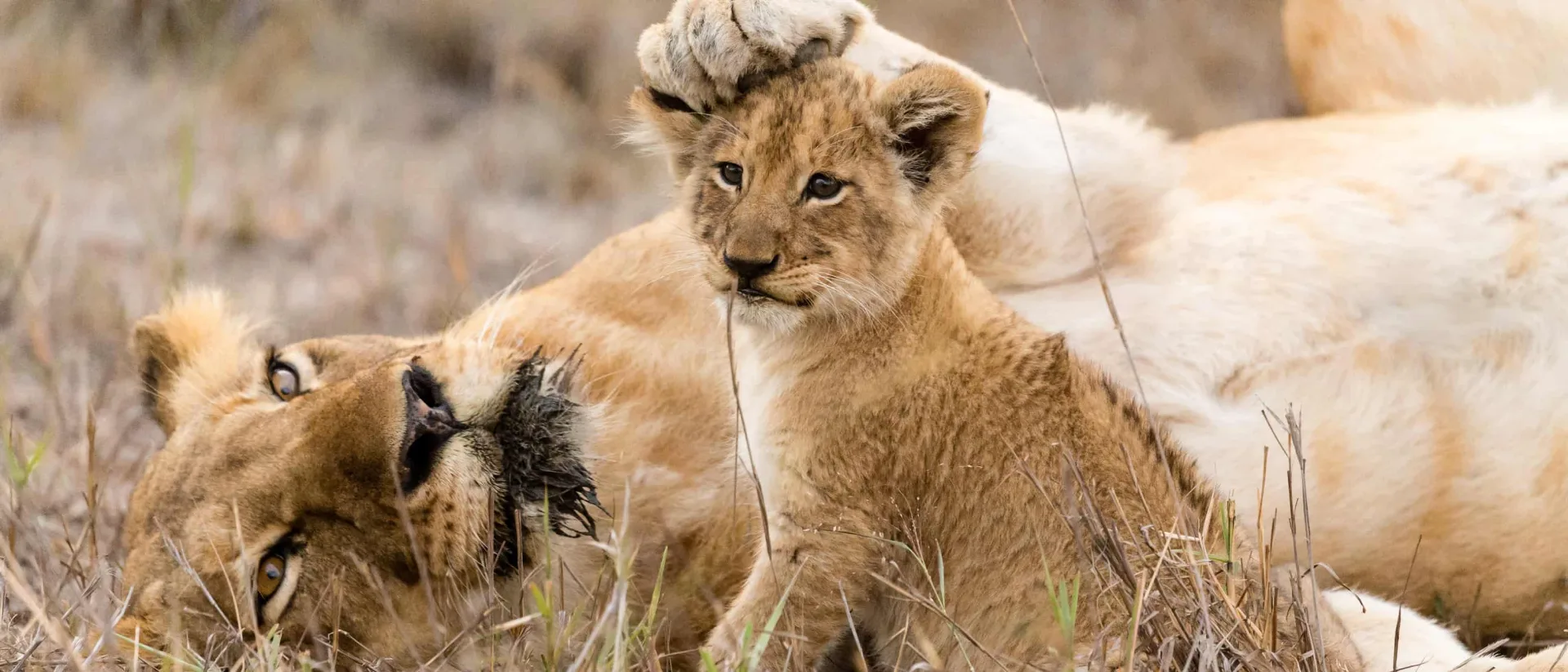
The Greater Kruger ecosystem supports approximately 1,500 lions, 1,000 leopards, 12,000 elephants, 27,000 buffalo, and both black and white rhinoceros — though rhino numbers have been significantly impacted by poaching in recent years. The Sabi Sand Private Game Reserve within the Greater Kruger is widely considered the best place in Africa for leopard sightings, with several highly habituated individuals that can be observed hunting, feeding, and raising cubs at remarkably close range.
Hluhluwe-iMfolozi Park in KwaZulu-Natal is the birthplace of rhino conservation. Operation Rhino, launched in the 1960s, saved the southern white rhino from the brink of extinction (fewer than 50 individuals) and has since bred and translocated thousands of animals across Africa. Today, South Africa hosts approximately 80 percent of the world's remaining rhino population.
The marine wildlife of South Africa's coastline is globally significant. The sardine run off the KwaZulu-Natal coast (June-July) is one of the ocean's great spectacles, with billions of sardines pursued by dolphins, sharks, whales, and seabirds. The Cape Peninsula's Simon's Town colony supports approximately 2,500 African penguins. Great white shark cage diving at Gansbaai, whale watching at Hermanus, and snorkelling with Cape fur seals at Hout Bay add marine dimensions to the South African experience. Over 850 bird species are recorded nationally, with the fynbos biome hosting several endemic species.
Destinations in South Africa
Greater Kruger
25,000 km² of Big Five bushveld — world-class leopard sightings in the Sabi Sand and Africa's greatest wildlife reserve.
ExploreCape Town & Peninsula
One of the world's most beautiful cities — Table Mountain, penguins, whale watching, and the Cape of Good Hope.
ExploreWestern Cape & Winelands Reserves
Malaria-free Big Five reserves, world-class wine, and the Cape's marine Big Five — family safari perfection.
ExploreGarden Route
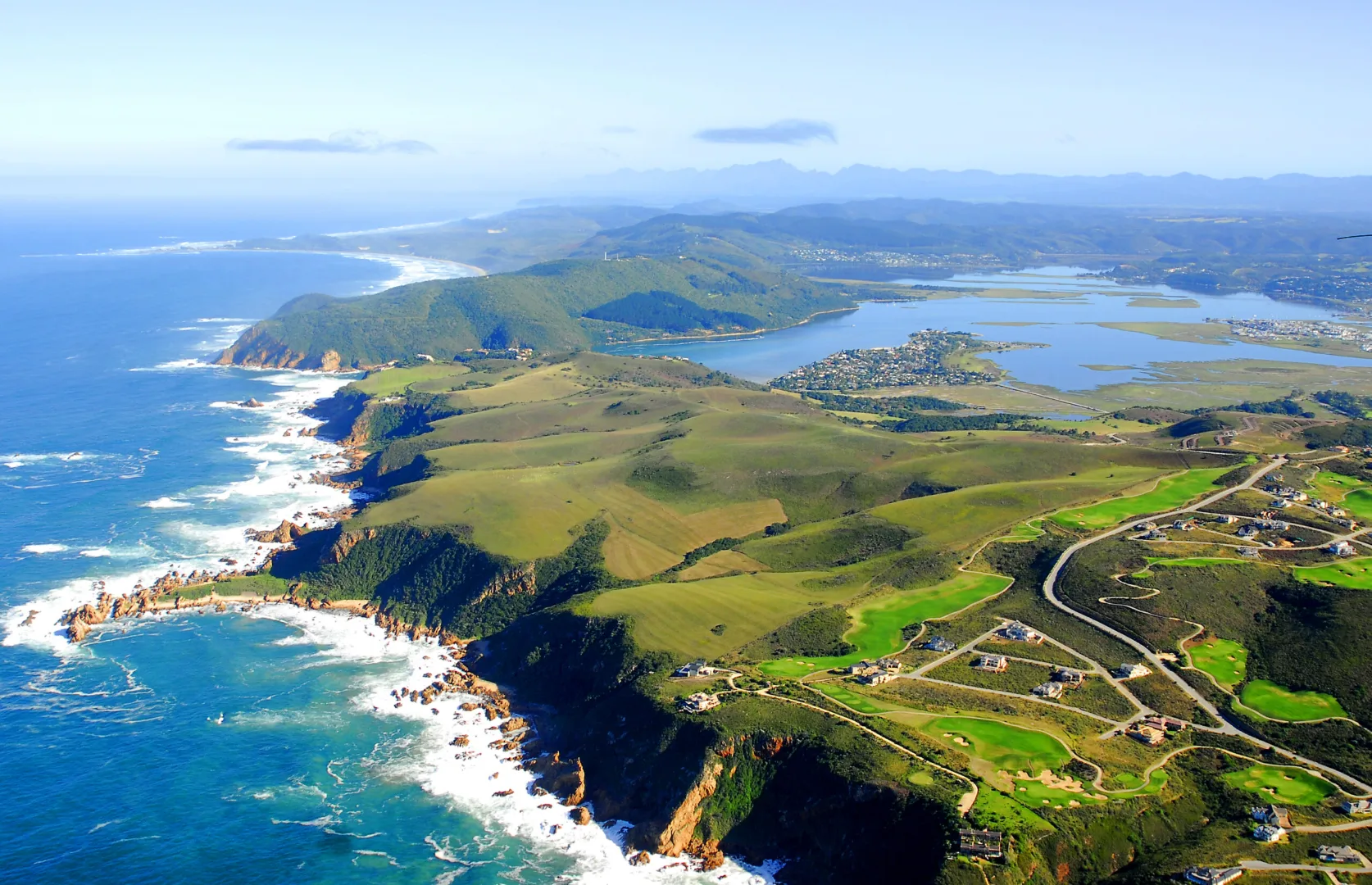
South Africa's most scenic coastal drive — ancient forests, golden beaches, and the world's highest bungee jump.
ExploreCape Winelands
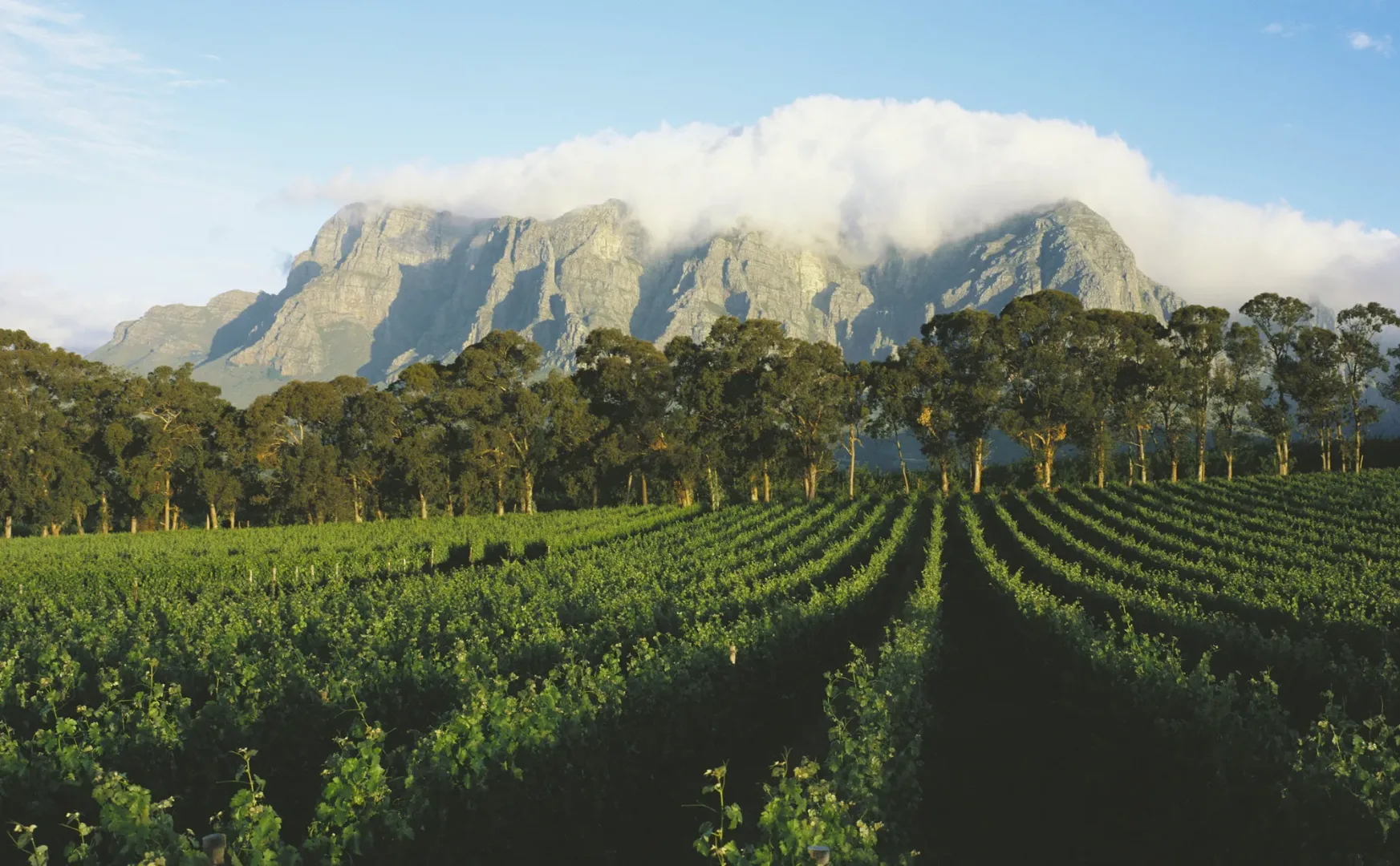
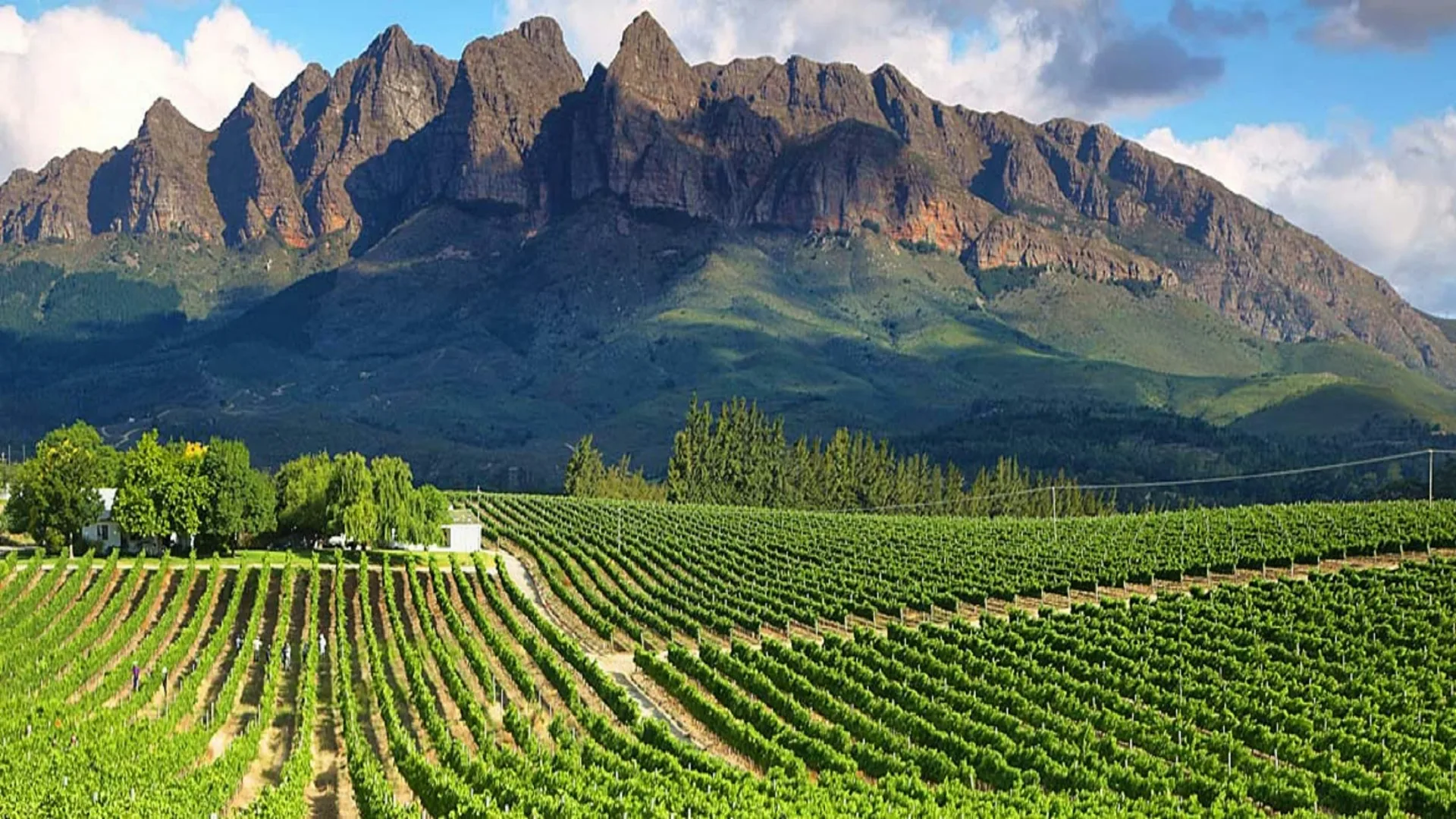
560 wine estates in mountain valleys — world-class tastings, Cape Dutch charm, and Africa's finest gastronomy.
ExploreMadikwe & Pilanesberg
Malaria-free Big Five — South Africa's most accessible safari with wild dog, brown hyena, and no prophylaxis needed.
ExploreKwaZulu-Natal
Africa's oldest game reserve and the birthplace of rhino conservation — Big Five, coastal wetlands, and Zulu culture.
ExploreSouth Africa in Pictures
South Africa Safari Packages
Cape Town & Garden Route
Cape Town, Hermanus, Garden Route, Knysna, Port Elizabeth
Kruger & Sabi Sand Luxury
Panorama Route, Sabi Sand, Kruger National Park
South Africa Highlights
Cape Town, Winelands, Garden Route, Kruger
Malaria-Free Family Safari
Madikwe Game Reserve, Pilanesberg National Park
Cape Winelands & Whale Route
Stellenbosch, Franschhoek, Hermanus
KwaZulu-Natal & Hluhluwe
Hluhluwe-iMfolozi, iSimangaliso, St Lucia
Getting to South Africa
South Africa has the best-developed air transport infrastructure in Africa, making it the easiest African destination to reach and navigate.
O.R. Tambo International Airport (JNB) in Johannesburg is Africa's busiest airport, receiving direct flights from London (approximately 11 hours), New York (approximately 16 hours), Amsterdam, Frankfurt, Dubai, Singapore, and dozens of other international gateways. Cape Town International Airport (CPT) receives direct flights from London, Amsterdam, Frankfurt, Dubai, and Doha, as well as excellent domestic connections.
Domestic flights between Johannesburg, Cape Town, Durban, Port Elizabeth (Gqeberha), and Kruger Mpumalanga International Airport (MQP) or Hoedspruit Airport (HDS) are frequent, affordable, and operated by multiple carriers including SAA, FlySafariLink, Airlink, and Kulula. The flight from Johannesburg to Kruger is approximately 1 hour; from Cape Town to Johannesburg, approximately 2 hours.
For the Greater Kruger area, visitors fly into Kruger Mpumalanga International Airport (near Nelspruit) or Hoedspruit Airport (Eastgate), from where lodges arrange road transfers of 1-3 hours. Private charter flights and helicopter transfers are available for premium properties.
South Africa offers visa-free entry for citizens of the EU, UK, USA, Canada, Australia, and many other nations for stays up to 90 days. No vaccinations are legally required for direct arrivals, though yellow fever certification is needed if arriving from an endemic country. Malaria prophylaxis is recommended for the Kruger/Limpopo region but is not needed for the Cape, Garden Route, or Eastern Cape reserves. The currency is the South African Rand (ZAR).
Need Help?
We Handle the Logistics
Airport transfers, domestic flights, road transport — our ground team in South Africa manages every detail.
Contact Our TeamPlan Your South Africa Safari
Our South Africa specialists craft custom itineraries tailored to your client's interests, timeline, and budget.