Tanzania
East Africa

Tanzania

11 destinations22 sub-regions6 packages

Tanzania Safari Guide

Tanzania stands as Africa's premier safari destination, a vast country of 945,087 square kilometres that shelters an extraordinary tapestry of ecosystems stretching from the snow-capped summit of Mount Kilimanjaro at 5,895 metres to the turquoise waters of the Indian Ocean coast. With roughly one-third of its territory devoted to national parks, game reserves, and conservation areas, Tanzania protects more land for wildlife than any other African nation, ensuring that the density and diversity of its fauna remain unrivalled on the continent.

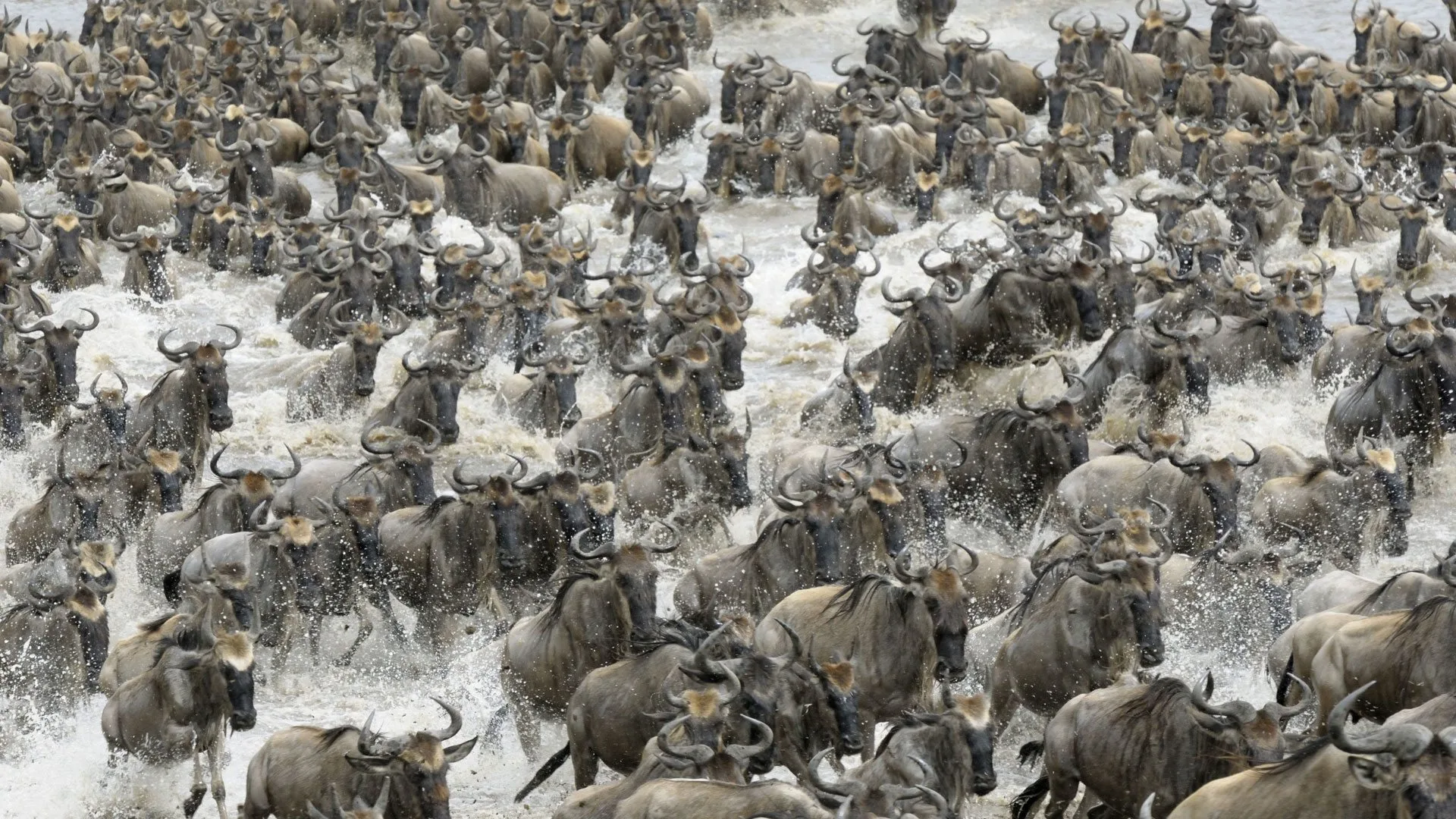
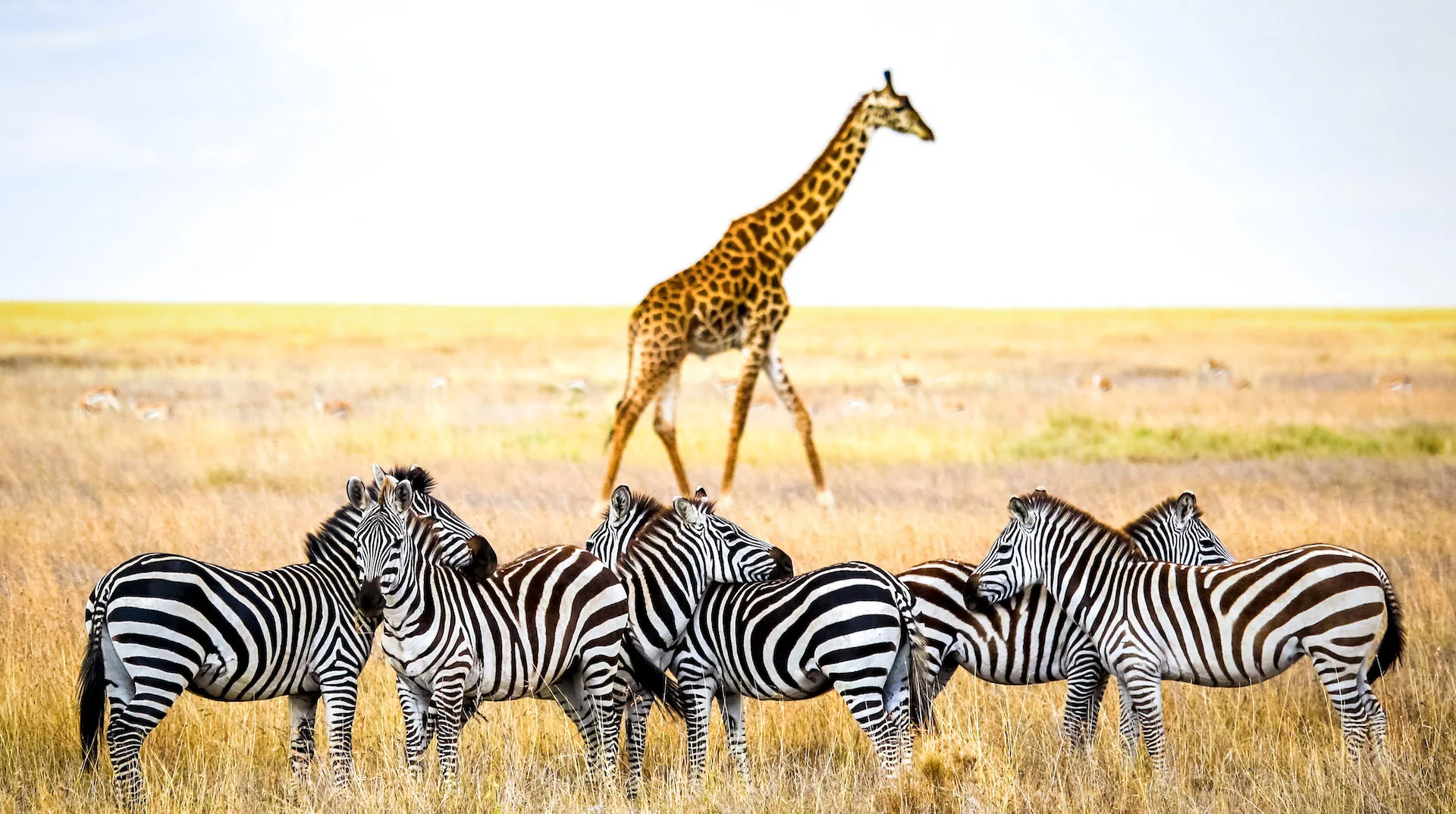
At the heart of Tanzania's appeal lies the Serengeti ecosystem, a 30,000-square-kilometre expanse of endless plains, acacia woodland, and riverine forest that hosts the Great Migration — widely regarded as the greatest wildlife spectacle on Earth. Each year, approximately 1.5 million wildebeest, 400,000 zebra, and 300,000 Thomson's gazelle trace a clockwise circuit between the Serengeti and Kenya's Masai Mara in search of fresh grazing, braving crocodile-infested river crossings and predator gauntlets that have defined safari lore for generations.

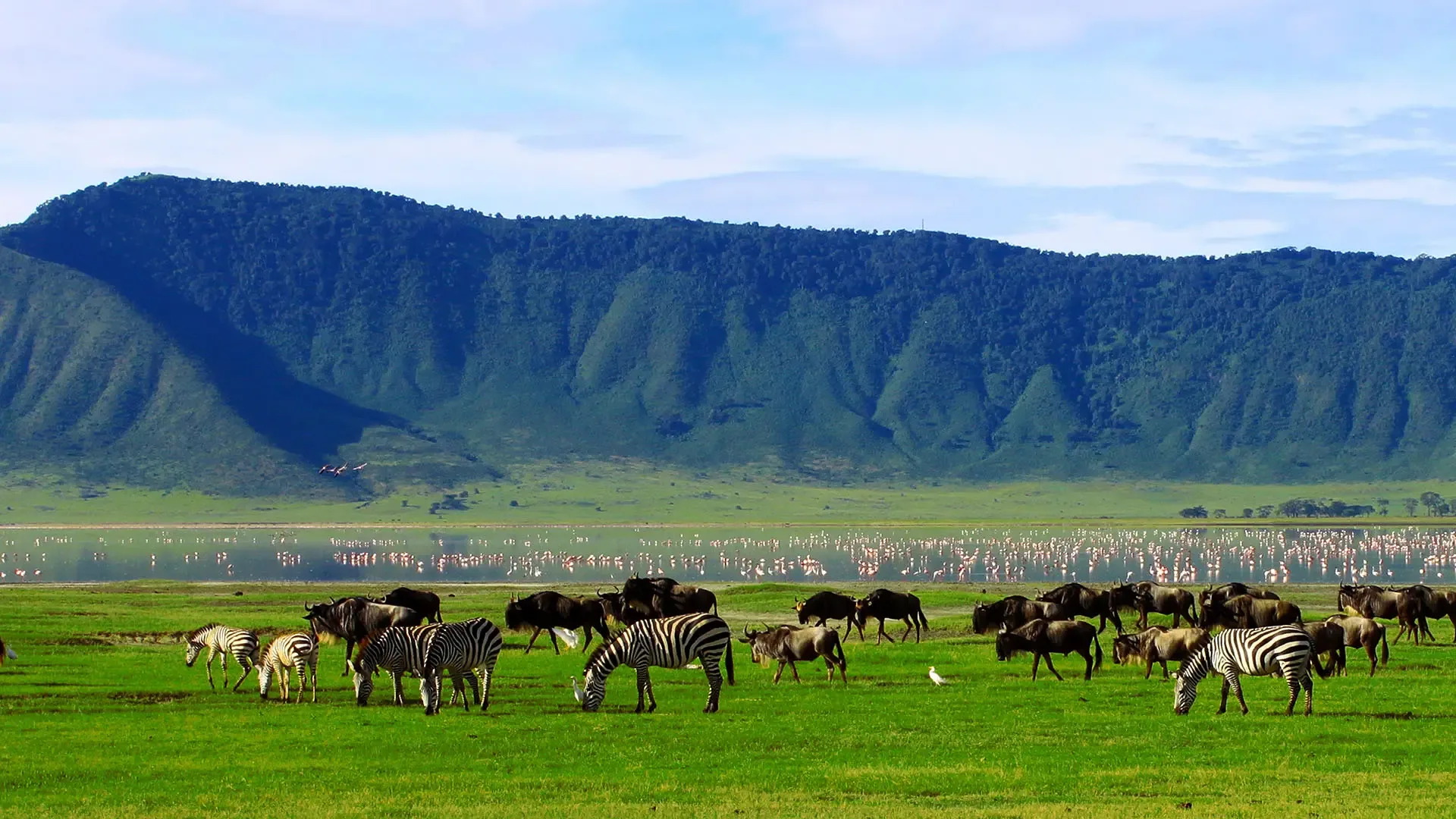
Adjacent to the Serengeti, the Ngorongoro Conservation Area centres on the collapsed caldera of an ancient volcano — the Ngorongoro Crater. This UNESCO World Heritage Site forms the world's largest unbroken, unflooded volcanic caldera at 19 kilometres across and 600 metres deep, sheltering roughly 25,000 large mammals within its walls including one of Africa's densest populations of black rhino. The crater floor's alkaline Lake Magadi attracts flocks of flamingos, while the forested crater rim supports leopard, buffalo, and over 500 bird species.

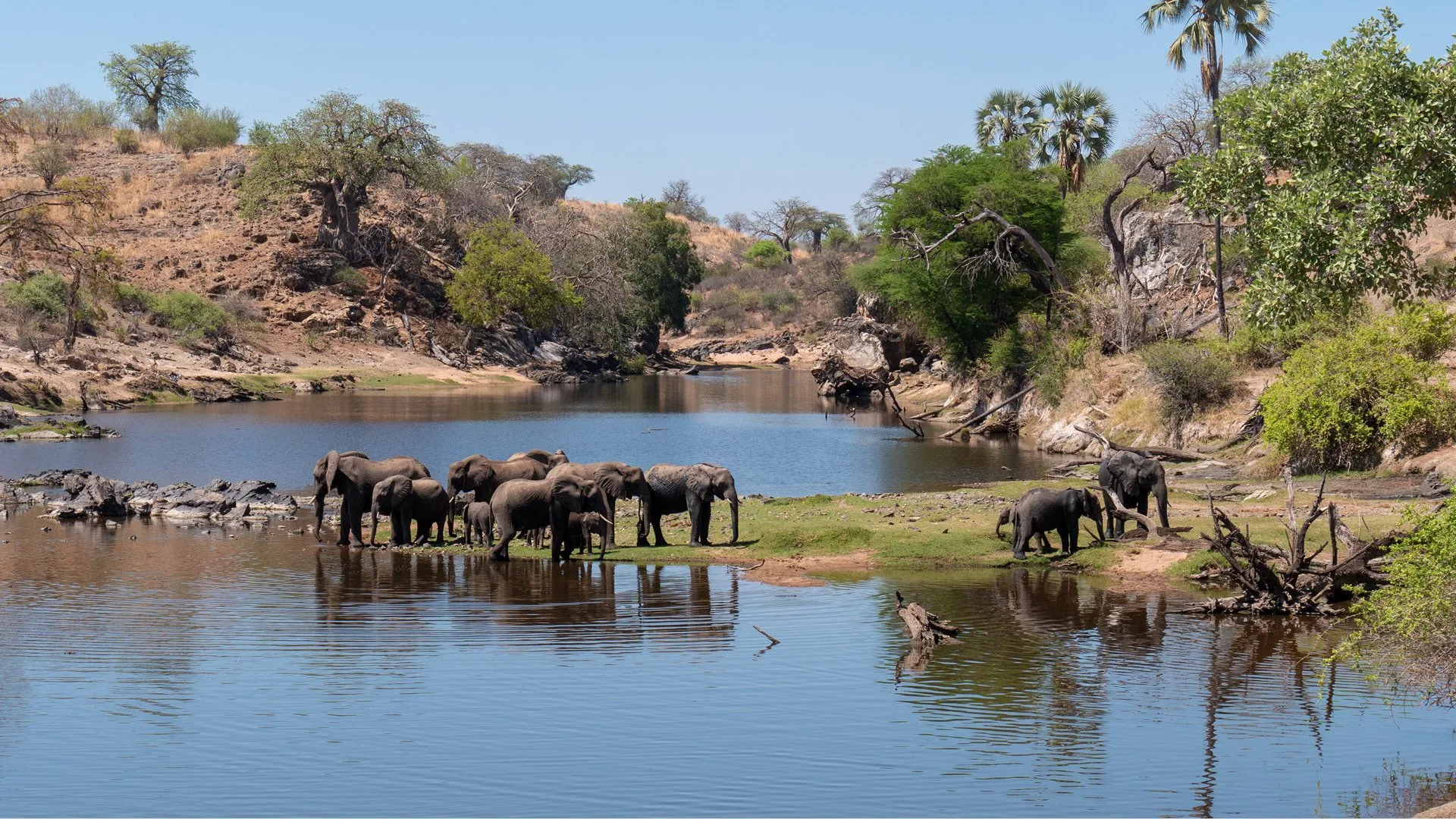
Southern Tanzania offers a completely different character. Nyerere National Park, formerly known as the Selous Game Reserve, covers approximately 30,893 square kilometres — making it the largest protected area in Africa. Here, boat safaris along the Rufiji River reveal hippo, crocodile, and enormous elephant herds in a landscape that sees a fraction of the visitors who flock to the northern circuit. Neighbouring Ruaha National Park, Tanzania's largest national park at over 20,000 square kilometres, harbours one of East Africa's largest elephant populations and is celebrated for its dramatic baobab-studded landscapes and exceptional predator sightings.

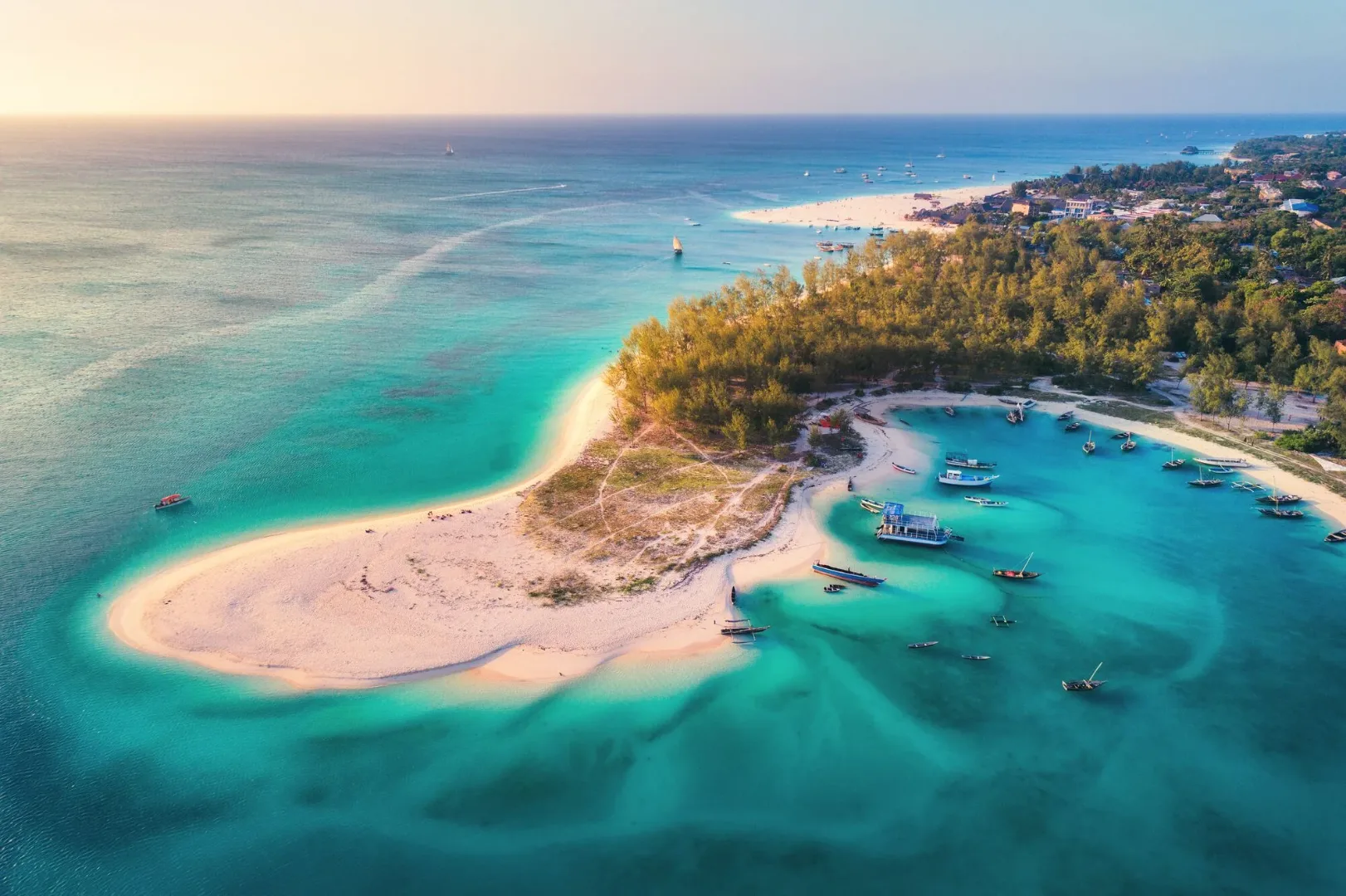
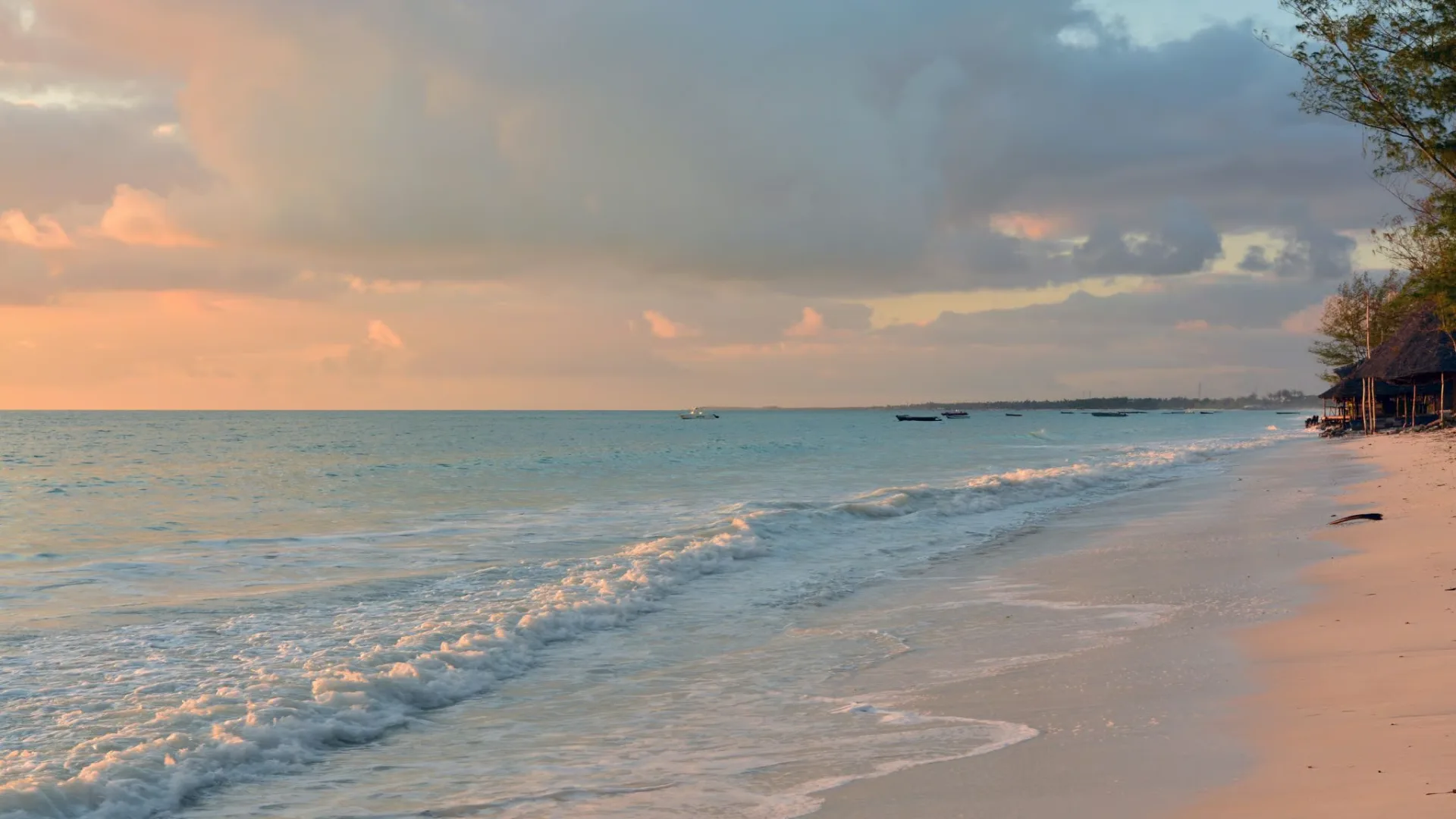
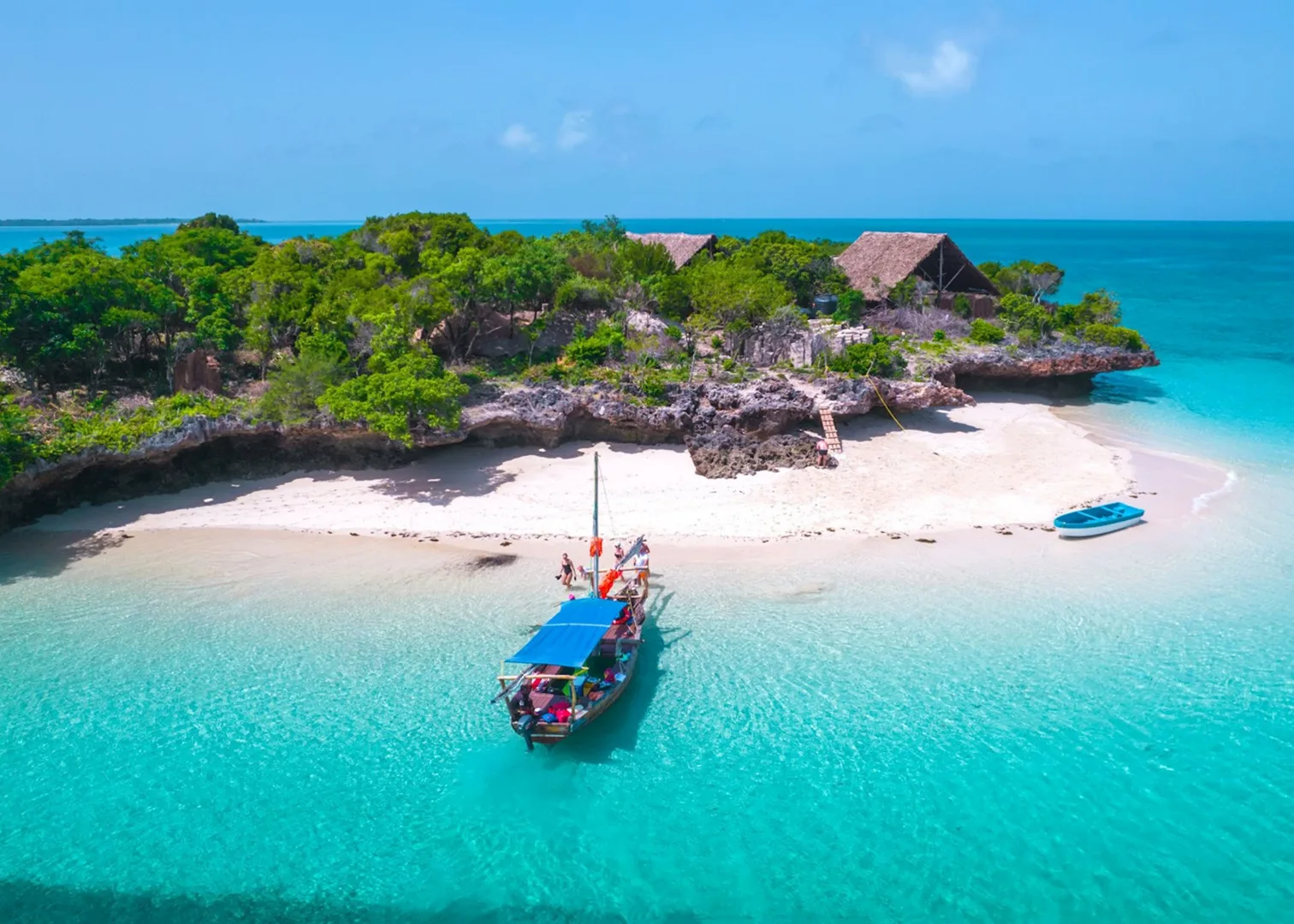
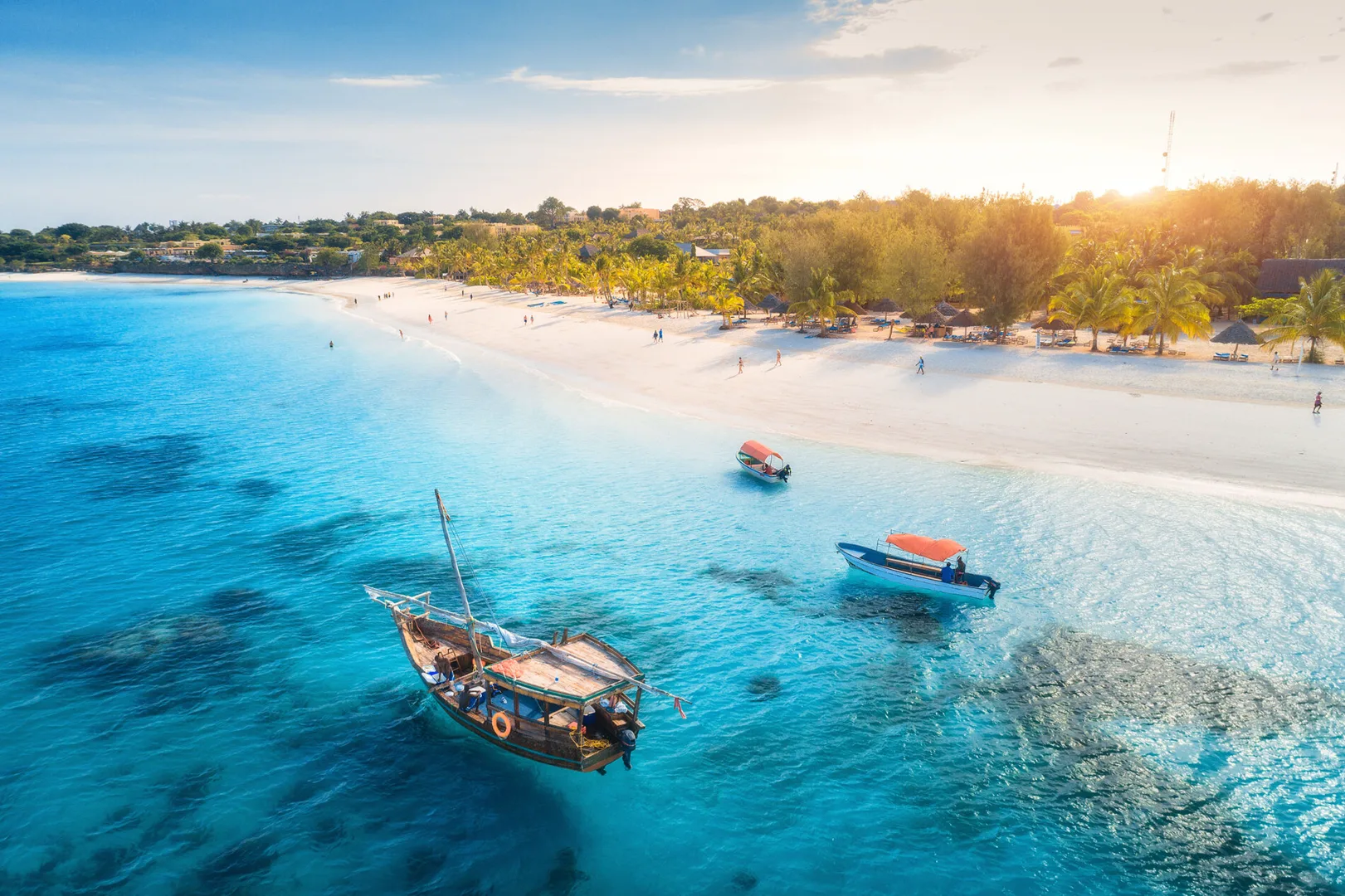
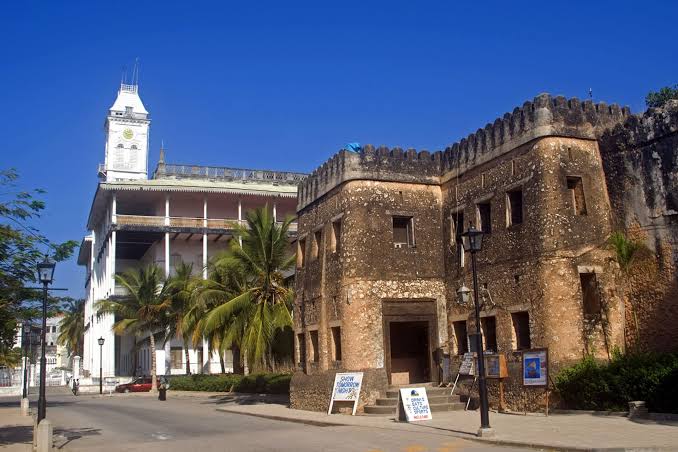
Beyond the bush, Zanzibar's spice islands offer a cultural and coastal counterpoint that makes Tanzania uniquely versatile. Stone Town, a UNESCO World Heritage Site, presents a labyrinth of coral-rag buildings, carved Zanzibari doors, and centuries of Swahili trading history. The beaches of Nungwi, Paje, and Matemwe deliver powder-white sands, pristine coral reefs, and world-class kitesurfing, creating the ideal post-safari beach extension. For the adventurous, Mount Kilimanjaro beckons trekkers to the Roof of Africa, achievable without technical climbing gear along routes ranging from five to nine days.

Tanzania's conservation model balances community participation with wilderness protection. The Wildlife Management Areas programme engages local communities as stakeholders in conservation revenue, while organisations such as the Frankfurt Zoological Society and Tanzania National Parks Authority (TANAPA) collaborate on anti-poaching efforts and habitat restoration. This commitment ensures that Tanzania's wild places will endure for generations, making it not only a destination for today's traveller but a legacy for the future of African wildlife.
Best Time to Visit

Tanzania's safari calendar offers rewarding experiences year-round, though each season brings distinct advantages depending on your priorities and chosen regions.

The classic dry season runs from June through October, delivering the most reliable game viewing across all northern circuit parks. Vegetation thins as water sources shrink, concentrating wildlife around rivers and remaining waterholes. This period coincides with the Great Migration's dramatic Mara River crossings in the northern Serengeti (typically July to September), when hundreds of thousands of wildebeest plunge into crocodile-patrolled waters in one of nature's most visceral spectacles. Skies are generally clear, temperatures are comfortable at 20-28 degrees Celsius on the plateau, and roads are in their best condition. This is peak season, so premium camps book out 6-12 months in advance.

January and February mark the calving season in the southern Serengeti's Ndutu region, where approximately 8,000 wildebeest calves are born daily over a three-week period. Predator activity during calving is extraordinary, with lion, cheetah, hyena, and wild dog capitalising on the abundance of vulnerable young. The short dry spell between the two rainy seasons makes for green, photogenic landscapes under dramatic skies.

March through May constitutes the long rains, when afternoon downpours are common and some unpaved roads in remote areas become challenging. However, this green season offers compelling advantages: lodge rates drop by 30-50 percent, parks are blissfully uncrowded, migratory birds are present in full breeding plumage, and the Serengeti's southern plains transform into a lush, flower-studded panorama. Many luxury camps remain open and offer exceptional value. November and December bring shorter, lighter rains that rarely disrupt game drives and coincide with the start of the migration's southward journey from Kenya back into the Serengeti.

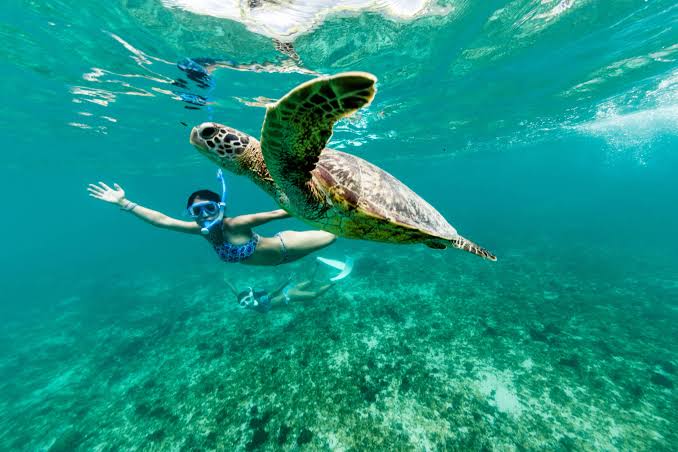
For Zanzibar and the coast, the driest months are June to October and January to February. Sea conditions are calmest from September to March, ideal for diving and snorkelling on the coral reefs. Kilimanjaro trekking is best attempted in January-February or June-October when skies are clearest for summit-night views.

Wildlife & Ecosystems

Tanzania's wildlife heritage is staggering in both scale and diversity, supported by the largest protected area network in Africa. The country is home to all of the Big Five — African elephant, lion, leopard, Cape buffalo, and both black and white rhinoceros — with populations that in many cases represent the continent's largest or most viable breeding groups.

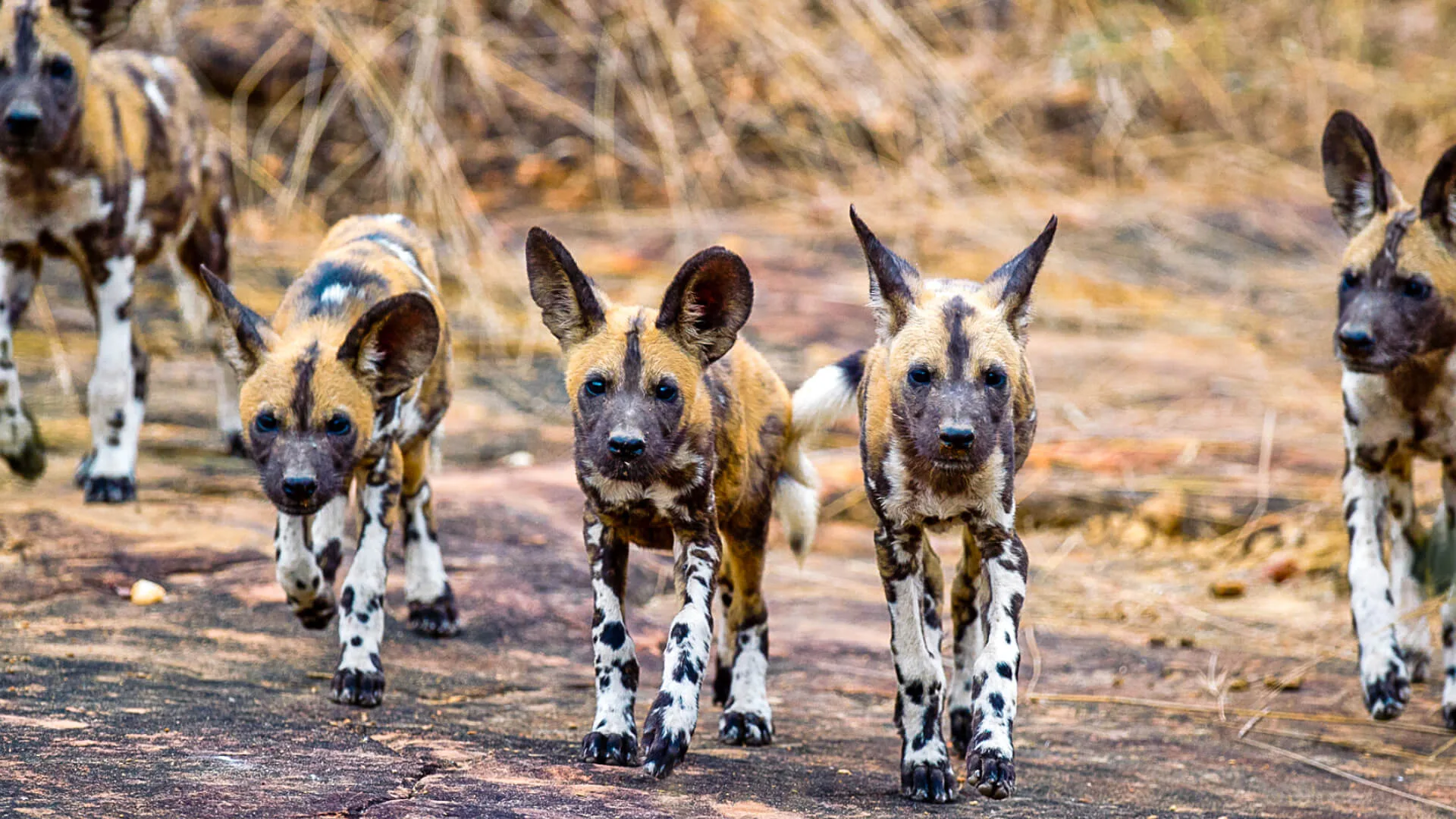
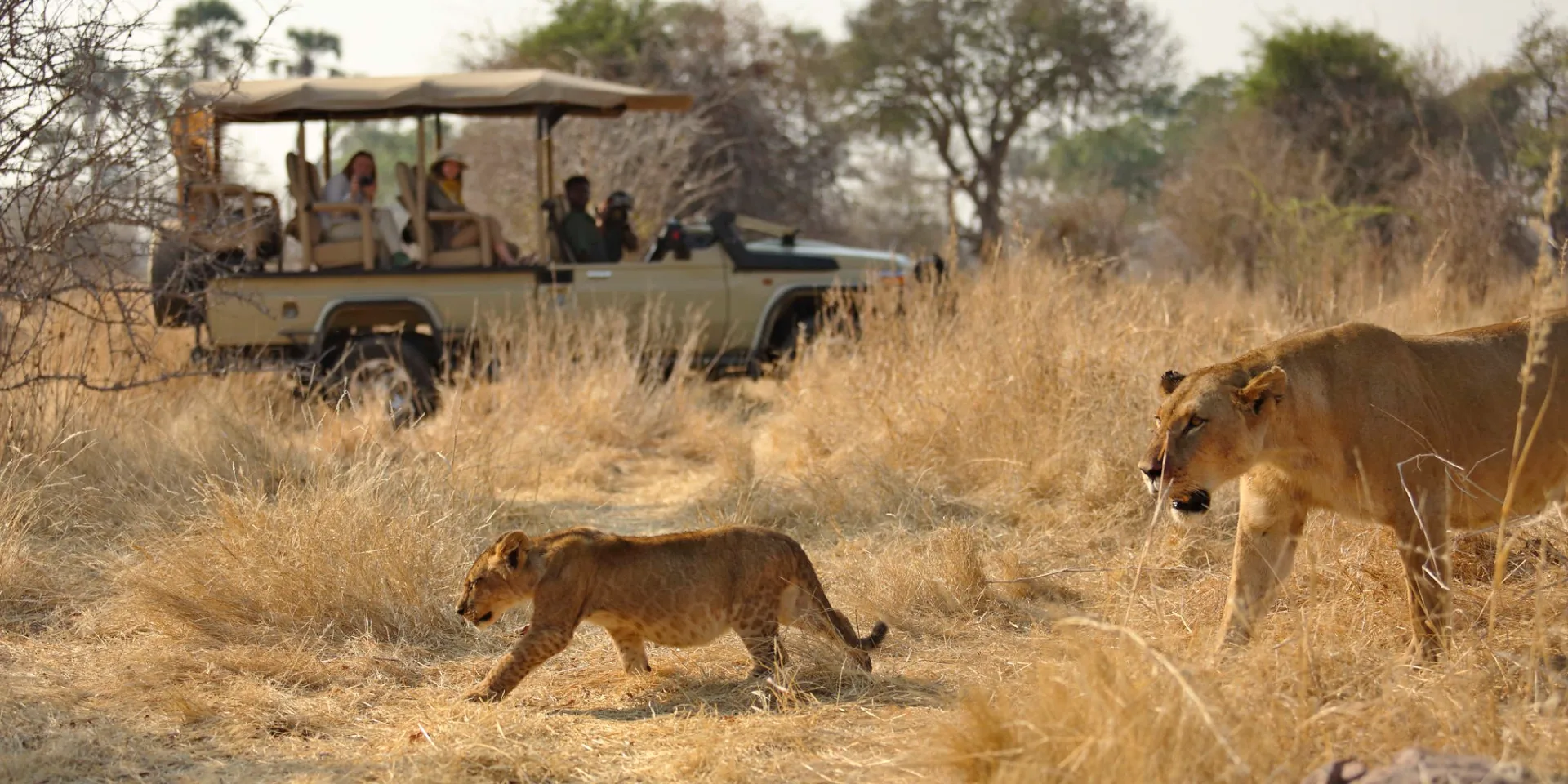
The Great Migration is Tanzania's wildlife centrepiece: approximately 1.5 million wildebeest, 400,000 zebra, and 300,000 Thomson's gazelle move in a continuous, clockwise circuit through the Serengeti-Mara ecosystem, driven by rainfall patterns and the eternal search for fresh grazing. This aggregation of herbivores supports one of the densest predator populations in Africa, including an estimated 3,000 lions, 1,000 leopards, 7,700 spotted hyenas, and significant populations of cheetah and African wild dog.

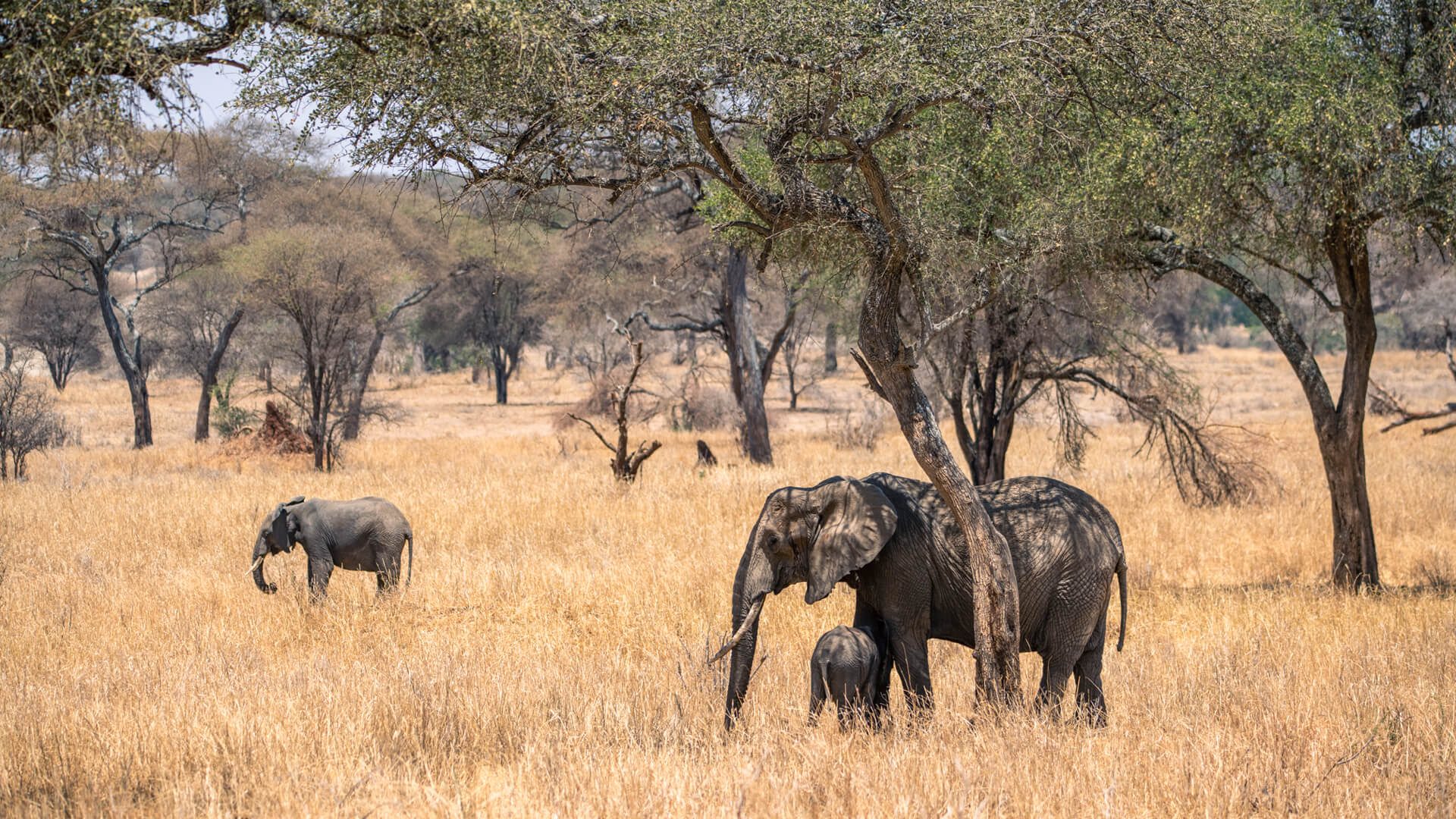
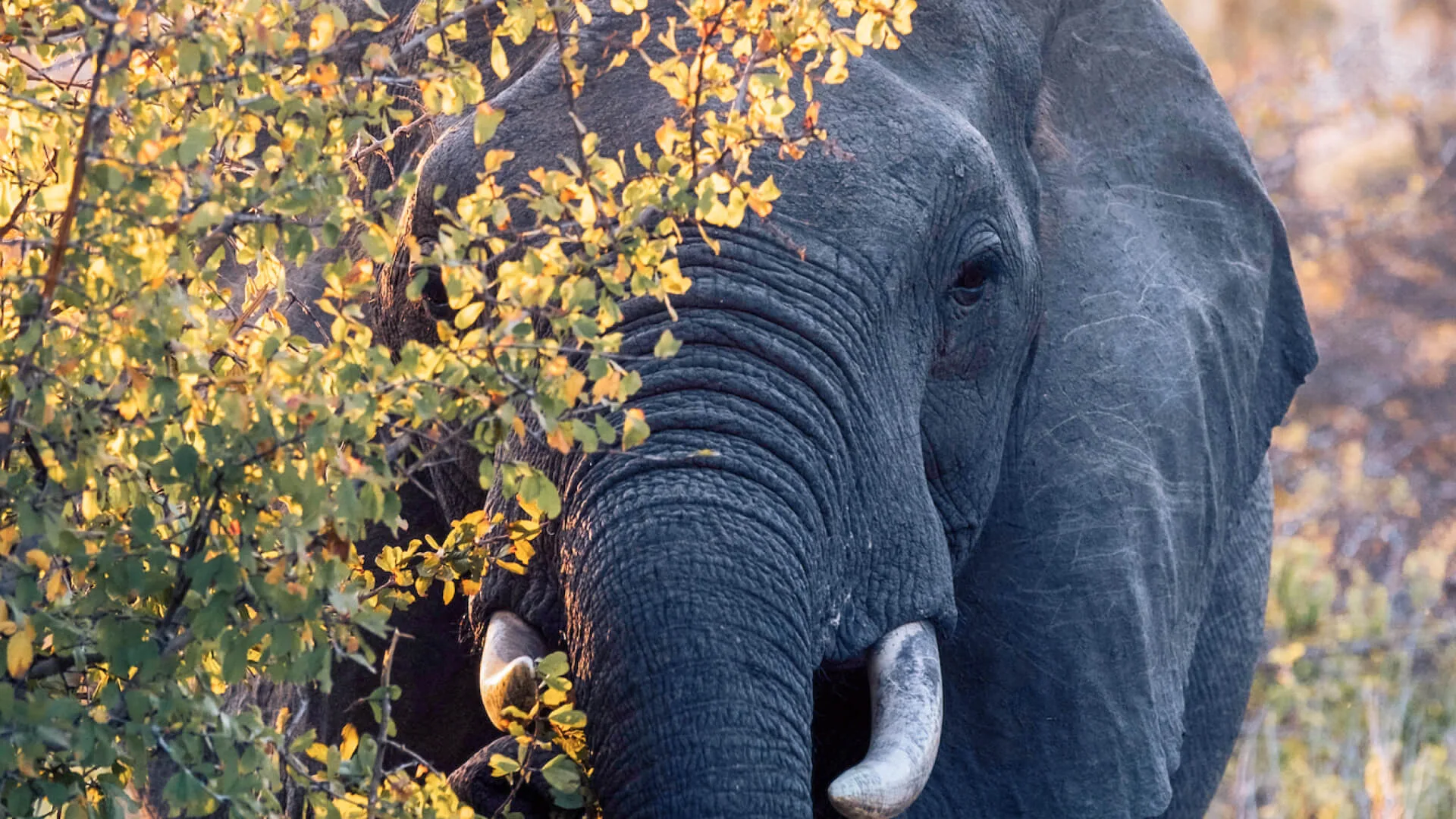
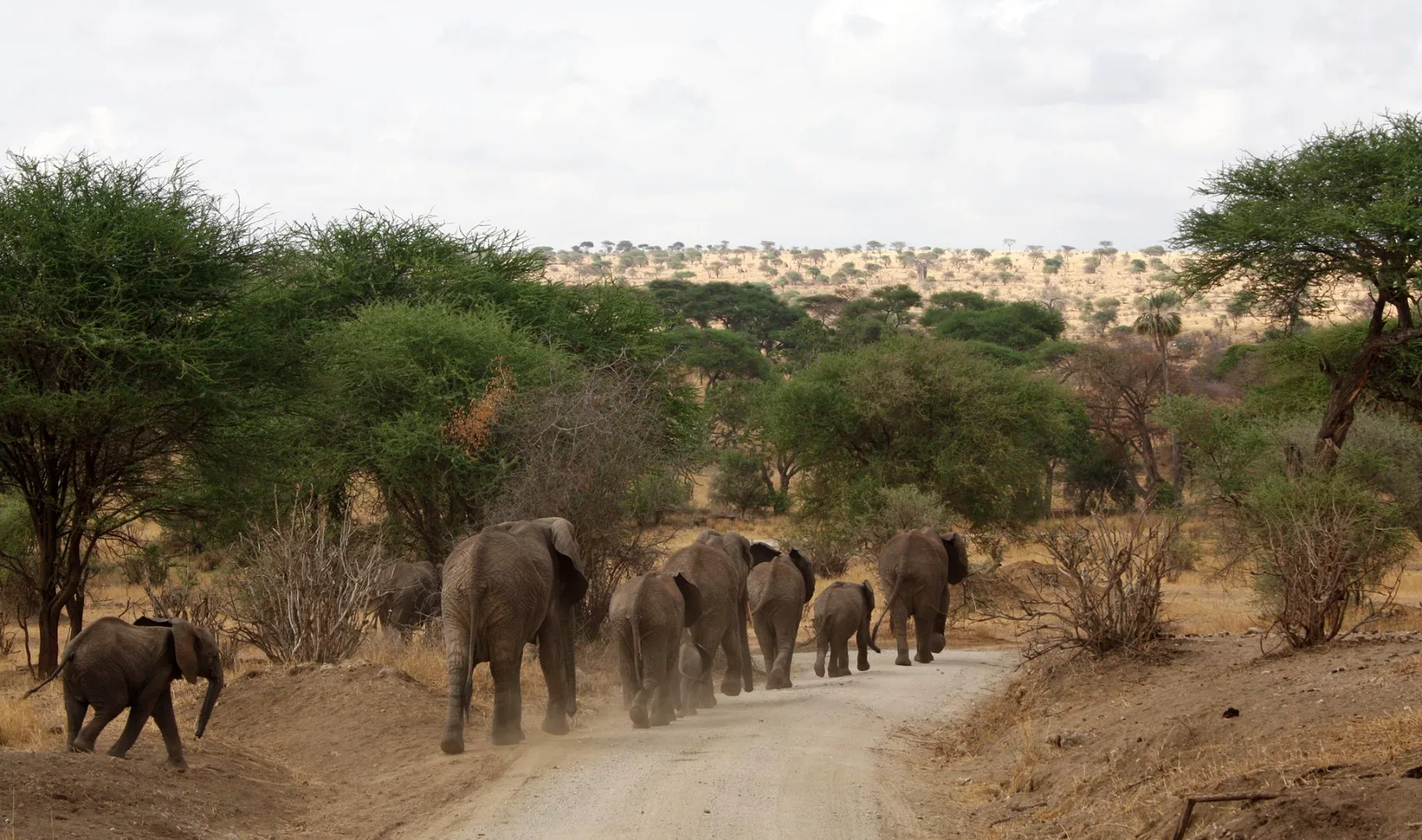
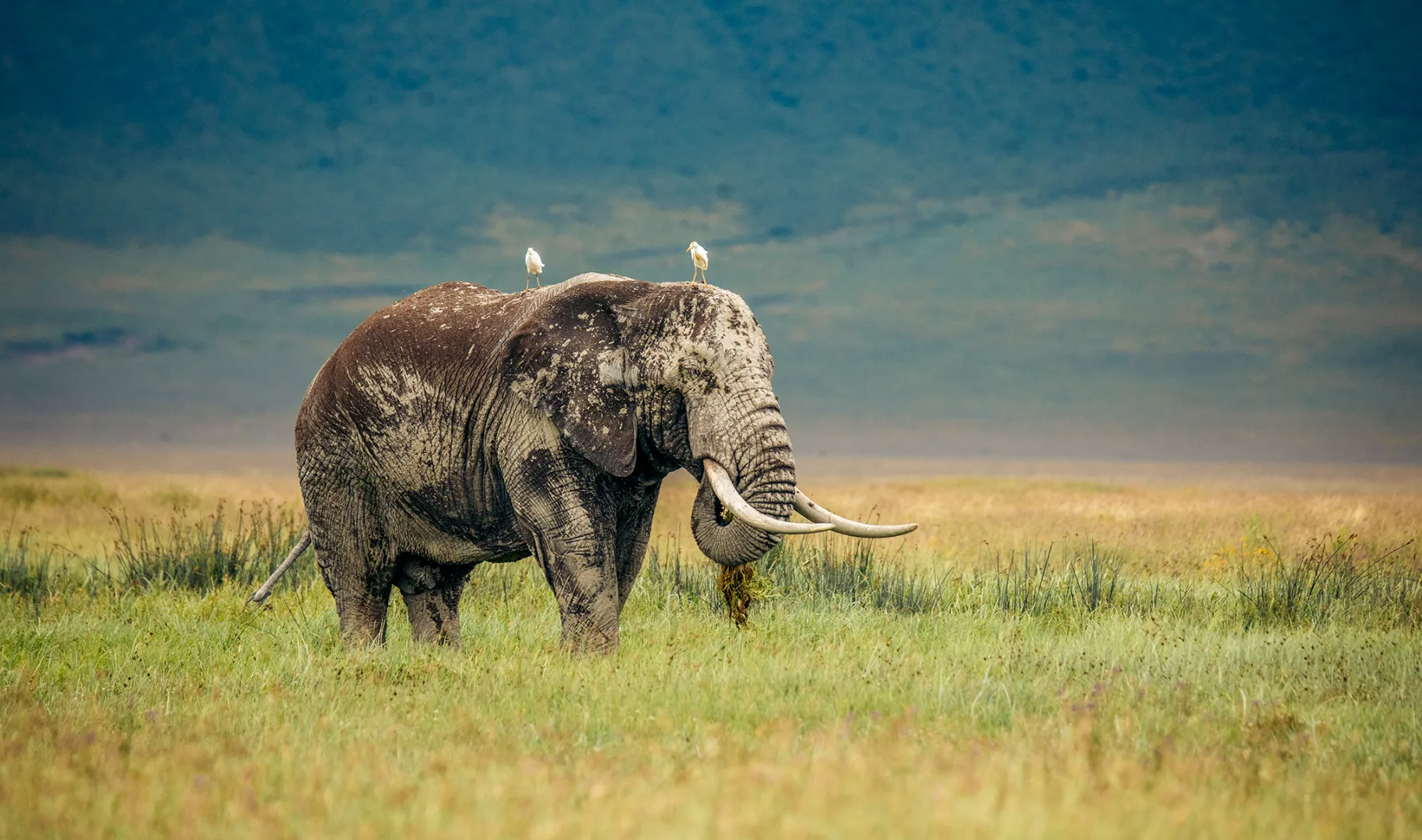
Tanzania protects approximately 60,000 elephants, with major populations in Ruaha-Rungwa (16,000+), the Serengeti ecosystem, Tarangire (3,000+), and Nyerere National Park. Tarangire is particularly renowned for its massive seasonal elephant herds — during the dry season, groups of 300 or more individuals congregate along the Tarangire River in one of East Africa's most impressive elephant spectacles.

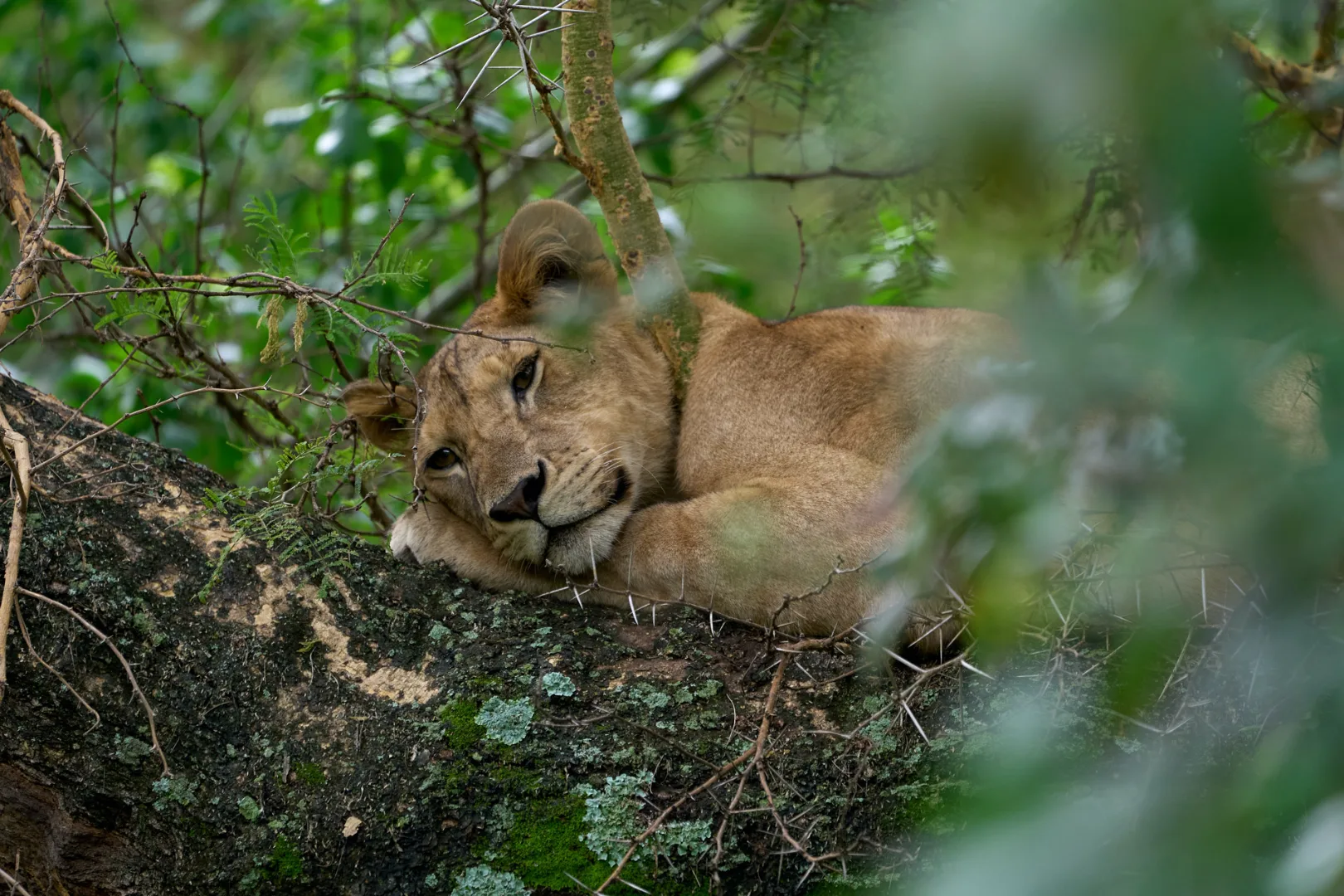
The Ngorongoro Crater shelters one of Africa's most critical black rhino populations, with approximately 55 individuals living on the crater floor — one of the few places where these critically endangered animals can be observed with reasonable reliability. Tanzania's bird diversity exceeds 1,100 species, including endemic Fischer's lovebird, Usambara eagle-owl, and the Pemba sunbird. Lake Manyara is famous for its tree-climbing lions and massive flocks of flamingos, while the alkaline lakes of the Rift Valley support millions of lesser flamingos.

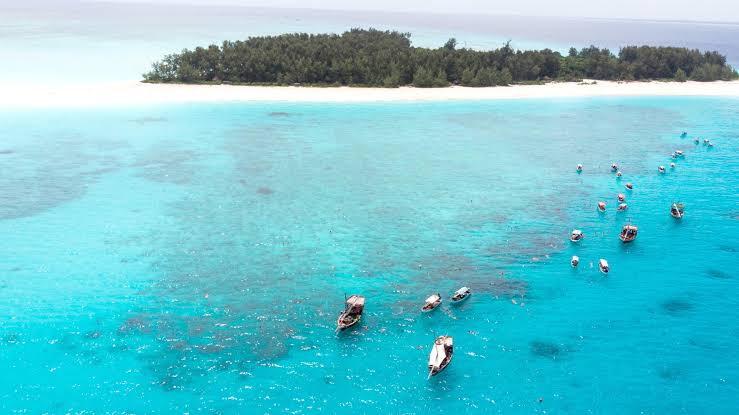
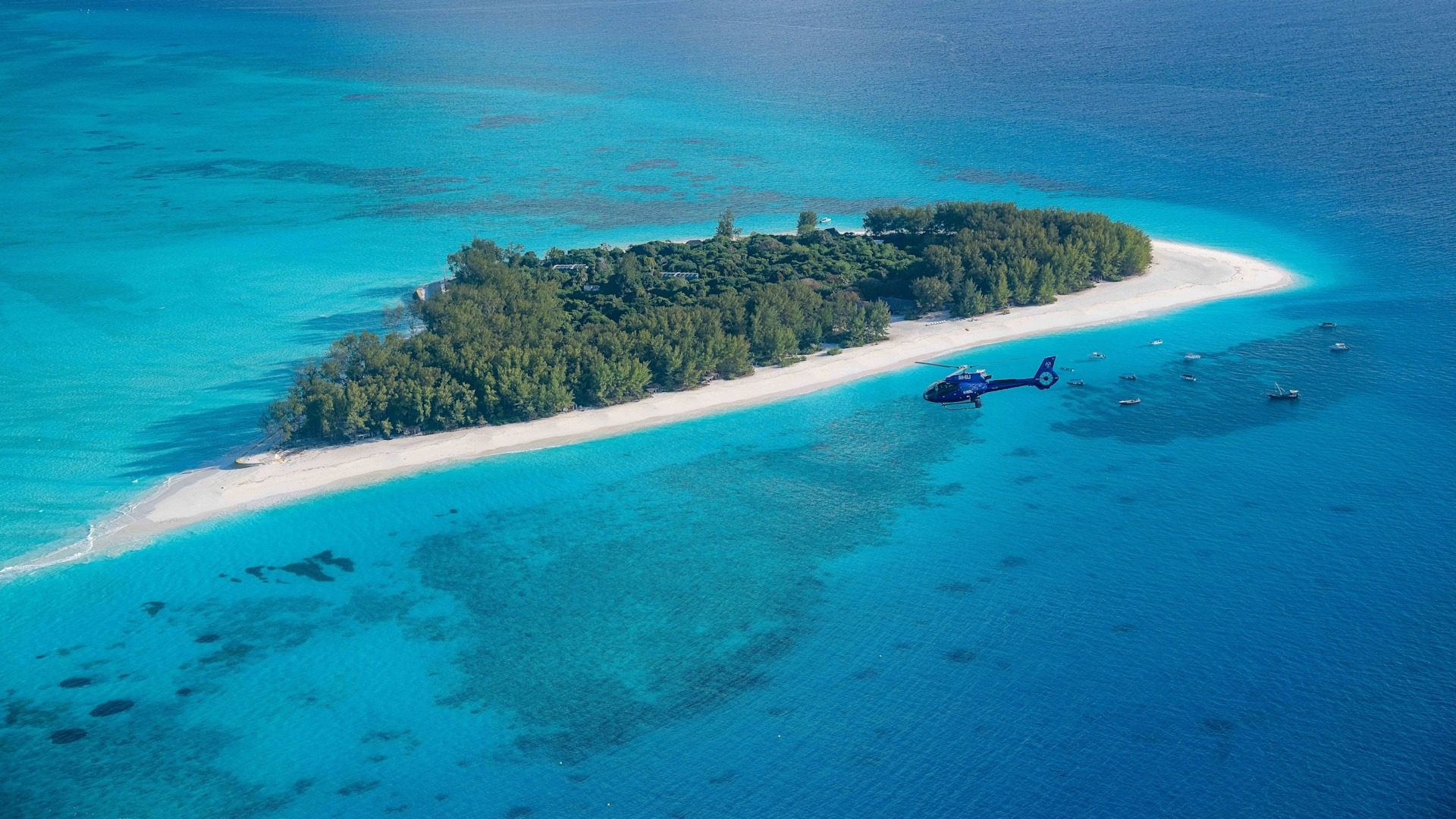
In the marine realm, Zanzibar's coral reefs harbour over 500 species of tropical fish, green and hawksbill sea turtles, bottlenose dolphins, and seasonal humpback whale sightings between July and September. Mafia Island Marine Park protects the largest population of whale sharks in the Western Indian Ocean, with reliable sightings between October and March.

Explore

Destinations in Tanzania

Serengeti
014 areas

Serengeti

The Serengeti — 14,763 km² of Africa's most iconic savannah and the heartbeat of the Great Migration.

Explore
Serengeti National Park
024 areas

Serengeti National Park

Home of the Great Migration — 1.5 million wildebeest, 3,000 lions, and Africa's most iconic savannah.

Explore
Ngorongoro Conservation Area
032 areas

Ngorongoro Conservation Area

The world's largest volcanic caldera — 25,000 animals, 55 black rhino, and a UNESCO-listed natural wonder.

Explore
Ngorongoro Conservation Area
043 areas

Ngorongoro Conservation Area

The world's largest volcanic caldera — 25,000 animals in a natural 260 km² amphitheatre.

Explore
Tarangire National Park
05

Tarangire National Park

3,000 elephants, ancient baobabs, and 550 bird species — the northern circuit's best-kept secret.

Explore
Tarangire National Park
063 areas

Tarangire National Park

Tanzania's greatest elephant concentrations beneath ancient baobab trees — 3,000 elephants in the dry season.

Explore
Nyerere National Park (Selous)
073 areas

Nyerere National Park (Selous)

Africa's largest national park — 30,893 km² of wild Rufiji riverscapes and the continent's biggest wild dog population.

Explore
Lake Manyara National Park
08

Lake Manyara National Park

Hemingway's 'loveliest' park — tree-climbing lions, a million flamingos, and the Great Rift Valley wall.

Explore
Nyerere National Park
09

Nyerere National Park

Africa's largest protected area — boat safaris, walking expeditions, and 1,300 wild dogs in true wilderness.

Explore
Ruaha National Park
10

Ruaha National Park

Tanzania's largest park — 12,000 elephants, extraordinary predators, and East-meets-Southern Africa ecology.

Explore
Zanzibar
113 areas

Zanzibar

Spice Island paradise — UNESCO Stone Town, turquoise beaches, world-class diving, and centuries of Swahili culture.

Explore
Gallery

Tanzania in Pictures

Getting to Tanzania

Tanzania is served by three international airports, each providing convenient access to different safari circuits and coastal destinations. Understanding the gateway options helps optimise your itinerary and minimise unnecessary road transfers.

Kilimanjaro International Airport (JRO) is the primary gateway for the northern safari circuit, situated midway between Arusha and Moshi at an altitude of 896 metres. KLM operates direct flights from Amsterdam (approximately 9 hours), while Ethiopian Airlines, Qatar Airways, Turkish Airlines, and Kenya Airways provide one-stop connections from major European, Asian, and North American cities. Arusha, the safari capital of Tanzania, lies 46 kilometres west of JRO (approximately 45-60 minutes by road transfer). From Arusha, the Serengeti is a full day's drive via the Ngorongoro Conservation Area, or a 90-minute light aircraft flight to one of several bush airstrips.

Julius Nyerere International Airport (DAR) in Dar es Salaam is the country's largest airport and the main hub for accessing the southern safari circuit — Nyerere National Park and Ruaha National Park — as well as providing connections to Zanzibar, Mafia Island, and the remote western parks. Swiss International, Emirates, and Ethiopian Airlines serve DAR directly from Europe and the Middle East.

Abeid Amani Karume International Airport (ZNZ) on Zanzibar receives seasonal charter flights from Europe and year-round connections from Nairobi, Dar es Salaam, and Addis Ababa. It is also accessible by a 2-hour ferry from Dar es Salaam.

Within Tanzania, Coastal Aviation, Auric Air, and Precision Air operate a comprehensive network of scheduled and charter light aircraft linking safari parks and the coast. Bush flights between Arusha and the Serengeti take 90 minutes, while Arusha to Ruaha is approximately 2.5 hours. Light aircraft transfers are the preferred method for reaching fly-in safari camps and dramatically reduce travel time compared to overland routes.

Most nationalities receive a visa on arrival at any of the three international airports for a fee of $50 USD (single entry). An e-visa system is also available for advance processing. A yellow fever vaccination certificate is required if travelling from an endemic country. Tanzania's currency is the Tanzanian Shilling (TZS), though US dollars are widely accepted at lodges, camps, and tourist establishments throughout the country.

Need Help?

We Handle the Logistics

Airport transfers, domestic flights, road transport — our ground team in Tanzania manages every detail.

Contact Our Team

Plan Your Tanzania Safari

Our Tanzania specialists craft custom itineraries tailored to your client's interests, timeline, and budget.