Greater Kruger Safari Guide
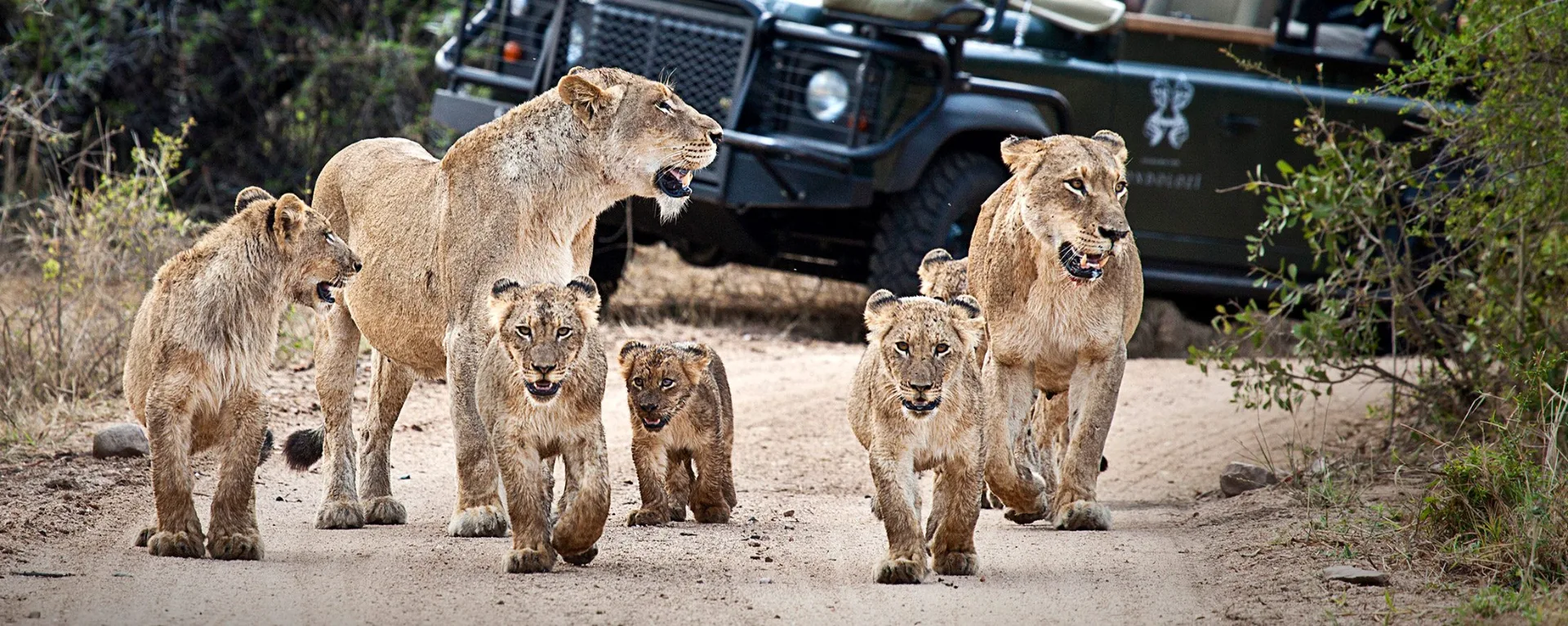
The Greater Kruger ecosystem encompasses approximately 25,000 square kilometres of contiguous, unfenced wildlife habitat in northeastern South Africa, comprising the publicly managed Kruger National Park (19,485 km²) and a network of adjacent private game reserves including the Sabi Sand, Timbavati, Klaserie, Manyeleti, and Balule. The removal of fences between the private reserves and the national park has allowed wildlife to move freely across the entire landscape, creating one of the largest and most significant conservation areas in Africa. For the safari visitor, the distinction between Kruger National Park and the private reserves is profound. Kruger itself is a self-drive-friendly national park with tarred and gravel roads, rest camps, and affordable accommodation — an excellent option for independent travellers and families. The private reserves, by contrast, offer a guided, luxury safari experience: expert tracker-guide teams in open Land Cruisers, off-road driving to follow animals through the bush, walking safaris led by armed rangers, and intimate camps where 8-20 guests enjoy personal attention, gourmet cuisine, and twice-daily game drives. The Greater Kruger supports one of the most complete large-mammal assemblages in Africa, with all of the Big Five present in substantial numbers. The Sabi Sand is renowned globally for its leopard sightings — several individuals are so habituated to vehicles that they hunt, feed, and raise cubs in full view of mesmerised guests, often at distances of just a few metres. Lion, elephant, buffalo, rhino, wild dog, cheetah, and over 500 bird species ensure that every game drive delivers memorable encounters in a landscape of granite kopjes, river valleys, and bushveld savannah.
Wildlife & Ecosystems
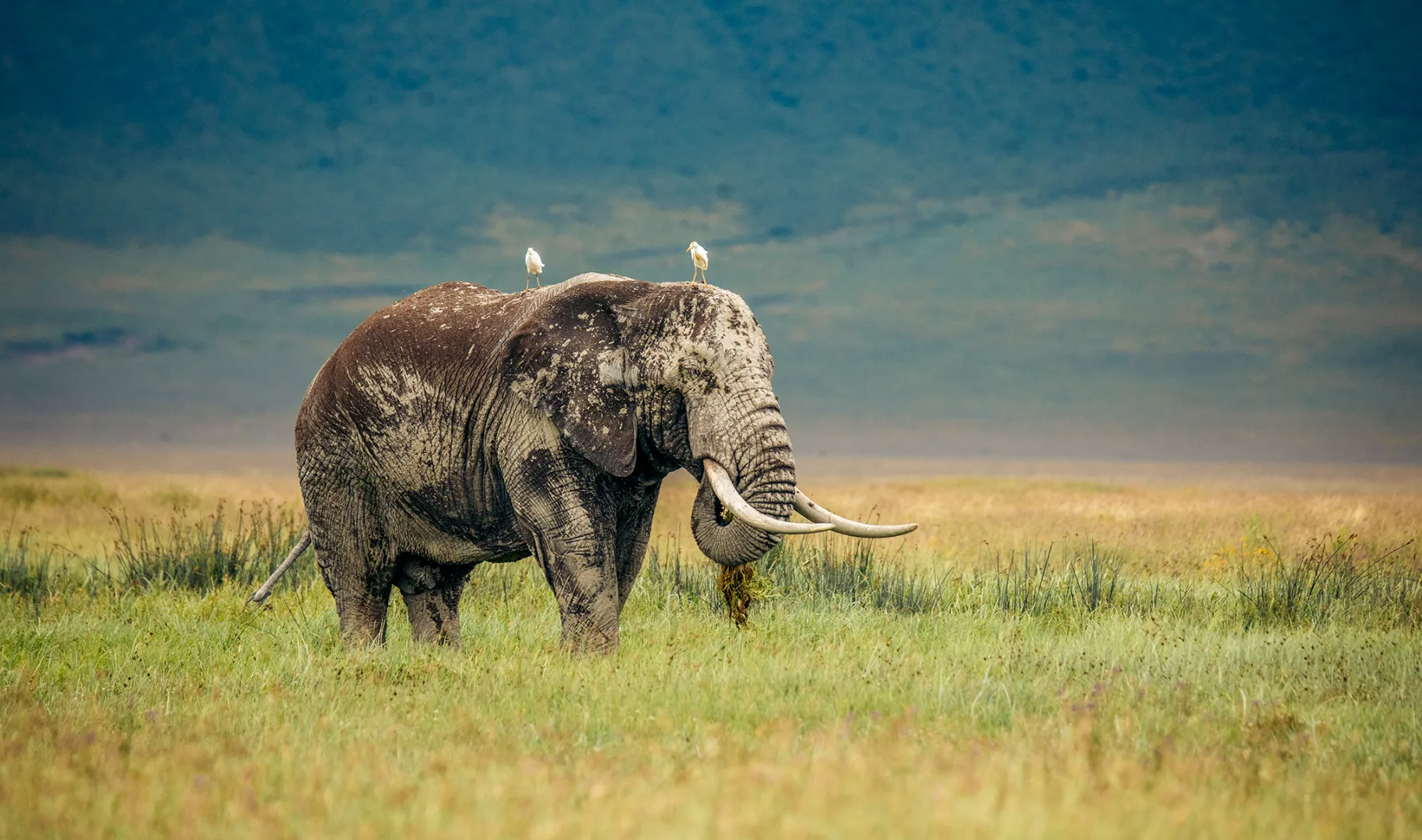
1, 500+ lions, 1, 000+ leopards, 12, 000 elephants, 27, 000 buffalo, black and white rhino, African wild dog, cheetah, hippo, crocodile, 500+ bird species. Sabi Sand is considered the world's premier leopard destination.
Best Time to Visit
May to September for dry season game viewing with thinned vegetation and wildlife concentrated at water sources. June to August mornings are cold. October to March brings lush green landscapes, migratory birds, and newborn animals.
Getting to Greater Kruger
1-hour flight from Johannesburg to Kruger Mpumalanga International Airport (MQP) or Hoedspruit/Eastgate Airport (HDS). Lodge transfers 1-3 hours depending on location. Direct road access from Johannesburg (approximately 5 hours). Private charters and helicopter transfers available.
Areas We Cover
Kruger National Park
Kruger National Park is South Africa's flagship conservation area, established in 1898 as the Sabie Game Reserve and expanded to its current 19,485 square kilometres — roughly the size of Wales or New Jersey. The park stretches 350 kilometres from north to south along the Mozambique border, encompassing six distinct ecosystems from the basalt plains of the south to the sandveld communities of the north, each supporting different wildlife assemblages. Kruger is uniquely accessible among Africa's great parks. A well-maintained network of tarred and gravel roads allows self-drive visitors to explore independently, stopping at picnic sites, bird hides, and viewpoints along the way. Twenty-one rest camps and numerous satellite camps provide accommodation ranging from budget camping to air-conditioned chalets. For those seeking a guided experience, several concessions within the park operate luxury lodges with ranger-led game drives and walking safaris. The park's Lower Sabie and Satara regions are consistently rated the best for game viewing, with the Sabie and Crocodile rivers attracting dense wildlife concentrations. Over 147 mammal species and 517 bird species have been recorded, making Kruger one of the most biodiverse protected areas in the world.
Sabi Sand Game Reserve
The Sabi Sand Game Reserve is widely regarded as the finest private game reserve in Africa and the world's premier destination for leopard sightings. Covering approximately 65,000 hectares along the western boundary of Kruger National Park — with all fences removed — the reserve hosts some of the continent's most legendary safari lodges including Londolozi, MalaMala, Singita, and Ulusaba. What sets Sabi Sand apart is the quality and intimacy of its wildlife encounters. Decades of careful vehicle habituation have produced wildlife populations, particularly leopards, that are extraordinarily relaxed around vehicles. It is common to observe a leopard hunting, making a kill, and hoisting its prey into a tree from a distance of five metres — experiences that are virtually impossible anywhere else in Africa. The reserve's strict traversing agreements limit the number of vehicles at any sighting to three, maintaining a sense of exclusivity even at the most sought-after encounters. Off-road driving allows tracker-guide teams to follow animals through the bush, producing a dynamic, interactive safari experience that feels more like wildlife filmmaking than traditional game viewing.
Timbavati Private Nature Reserve
The Timbavati Private Nature Reserve covers approximately 53,392 hectares adjacent to Kruger National Park's central region, sharing an unfenced boundary that allows the free movement of wildlife across the greater ecosystem. The Timbavati gained international fame for its rare white lions — a natural colour variation caused by a recessive gene — which were first documented here in the 1970s and have become a symbol of the reserve's unique genetic heritage. While white lion sightings are not guaranteed, the Timbavati offers exceptional Big Five game viewing that rivals the neighbouring Sabi Sand at generally lower price points. The reserve's varied terrain — from mixed bushwillow woodland and riverine forest along the Timbavati River to open savannah grassland — supports a rich diversity of wildlife including lion, leopard, elephant, buffalo, white rhino, wild dog, cheetah, and hyena. Walking safaris are a particular strength of Timbavati lodges, with several operations offering multi-day wilderness trails that provide a deeply immersive bush experience. The reserve's community-owned Mnisi Communal Area provides cultural experiences that connect guests with local communities.
Manyeleti Game Reserve
Manyeleti Game Reserve covers 230 square kilometres between Sabi Sand and Timbavati, with only three concessions operating in the entire reserve. Open to Kruger with no fences, Manyeleti offers authentic Big Five safari at more accessible price points than its famous neighbours. Originally a homeland reserve, it was returned to the Mnisi community and now provides the most exclusive-feeling game-viewing in the Greater Kruger — entire game drives often pass without seeing another vehicle.
Klaserie Private Nature Reserve
Klaserie Private Nature Reserve encompasses 600 square kilometres north of Timbavati, forming part of the Associated Private Nature Reserves (APNR) open to Kruger. Klaserie's mix of mopane woodland, riverine forest, and open grassland supports strong populations of all Big Five. The reserve is traversed by the seasonal Klaserie River and its many waterholes, which become magnets for elephant herds of up to 100 and predators during the dry winter months.
Greater Kruger in Pictures