
Ngorongoro Conservation Area
The world's largest volcanic caldera — 25,000 animals in a natural 260 km² amphitheatre.
About Ngorongoro Conservation Area
The Ngorongoro Conservation Area spans 8,292 square kilometres and was inscribed as a UNESCO World Heritage Site in 1979 for both its natural and cultural significance. The Ngorongoro Crater — the world's largest unbroken volcanic caldera at 19 kilometres in diameter — shelters approximately 25,000 large animals in a 260-square-kilometre floor. The conservation area also encompasses Olduvai Gorge, where Louis and Mary Leakey discovered 1.8-million-year-old Homo habilis fossils in 1959.
Best Time to Visit
June to October for the best crater-floor game viewing with dry conditions. December to March when flamingos flock to the crater's Lake Magadi. Year-round destination as the crater floor always has water.
Wildlife & Ecosystems
The crater floor supports the densest concentration of large mammals on Earth: approximately 62 black rhino (one of Tanzania's largest populations), 7,000 wildebeest, 4,000 zebra, and an estimated 62 lions. Hippo pools, flamingo-lined Lake Magadi, and herds of eland on the crater rim complete the spectacle.
Areas Within Ngorongoro Conservation Area
Ngorongoro Crater Floor
260 km² of concentrated wildlife drama at 1,800 metres — the floor of Earth's largest unbroken caldera.
The crater floor covers 260 square kilometres at an elevation of 1,800 metres, ringed by walls rising 600 metres. Lake Magadi, a shallow alkaline lake, attracts lesser flamingos by the thousands. The Lerai Forest of yellow-barked acacia supports elephant bulls and buffalo herds. A limited number of vehicles are permitted daily, and overnight stays on the crater floor are prohibited to minimize impact.
Olduvai Gorge
Walk through 2 million years of human evolution at one of the world's most important paleoanthropological sites.
Olduvai Gorge (properly Oldupai, from the Maasai word for wild sisal) is a 48-kilometre-long ravine in the eastern Serengeti plain where the Leakeys' discoveries revolutionized understanding of human evolution. The site has yielded fossils spanning 2 million years including Homo habilis, Paranthropus boisei ('Nutcracker Man'), and early Homo sapiens tools. The on-site museum displays casts of key finds and a lecture hall explains the excavation history.
Empakaai Crater
A guided crater descent through montane forest with views of Africa's only active carbonatite volcano.
Empakaai Crater is a smaller volcanic caldera 6 kilometres in diameter, with a deep soda lake covering most of its floor. A guided hike (with an armed ranger) descends 300 metres from the forested rim to the lake shore, passing through montane forest inhabited by buffalo, bushbuck, and blue monkeys. On clear days, the crater rim offers views of both Ol Doinyo Lengai — Africa's only active carbonatite volcano — and distant Kilimanjaro.
Getting to Ngorongoro Conservation Area
3.5-hour drive from Arusha (190 km) via the Lodoare Gate. Flights from Arusha to Lake Manyara airstrip (45 minutes), then 1.5-hour road transfer to the crater rim. Often combined with Serengeti in a 5-7 day northern circuit itinerary.
We Handle It
Seamless Logistics
Transfers, domestic flights, road transport — our ground team manages every detail of getting you to Ngorongoro Conservation Area.
Contact Our TeamNgorongoro Conservation Area Safari Packages

Budget Camping Safari
Arusha, Lake Manyara, Ngorongoro Crater & Tarangire

Northern Circuit Classic
Arusha, Lake Manyara, Ngorongoro Crater & Tarangire
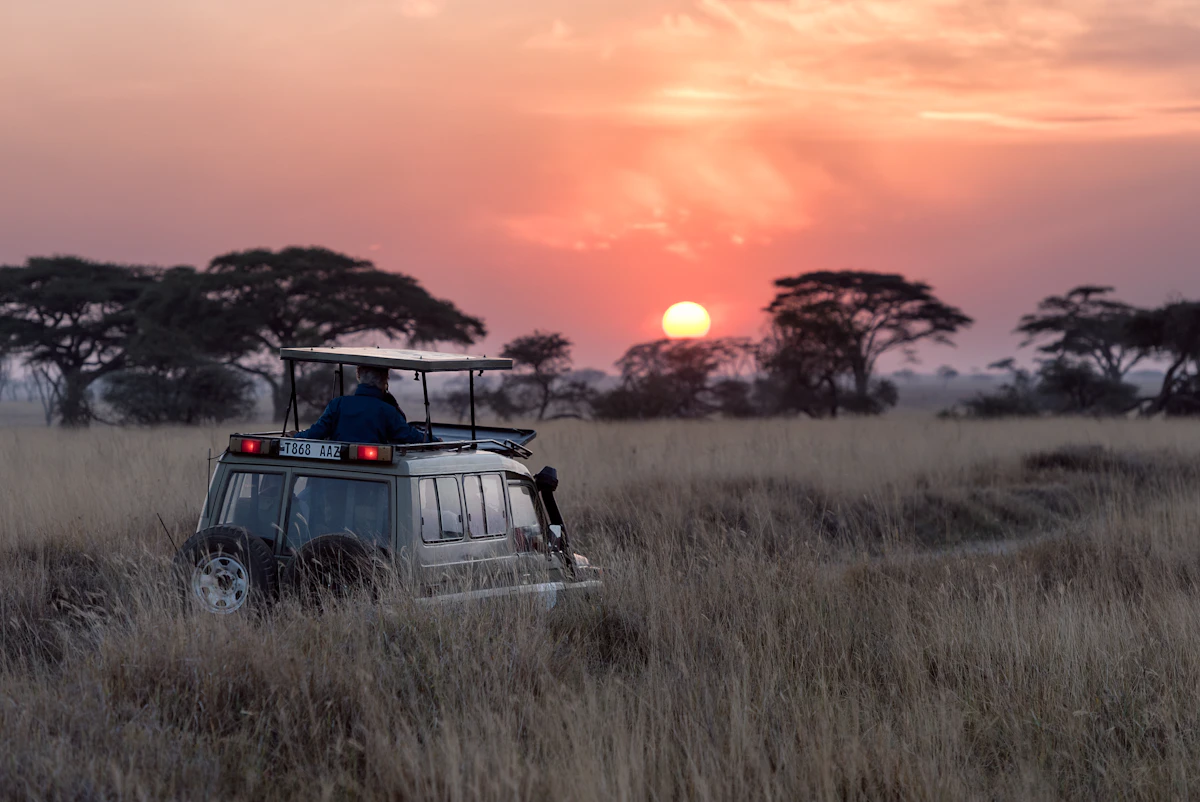
Serengeti Migration Safari
Arusha, Tarangire, Serengeti & Ngorongoro Crater

Serengeti & Zanzibar Combo
Arusha, Serengeti, Ngorongoro Crater & Zanzibar

Tanzania Grand Safari
Arusha, Tarangire, Serengeti, Ngorongoro, Nyerere (Selous) & Ruaha
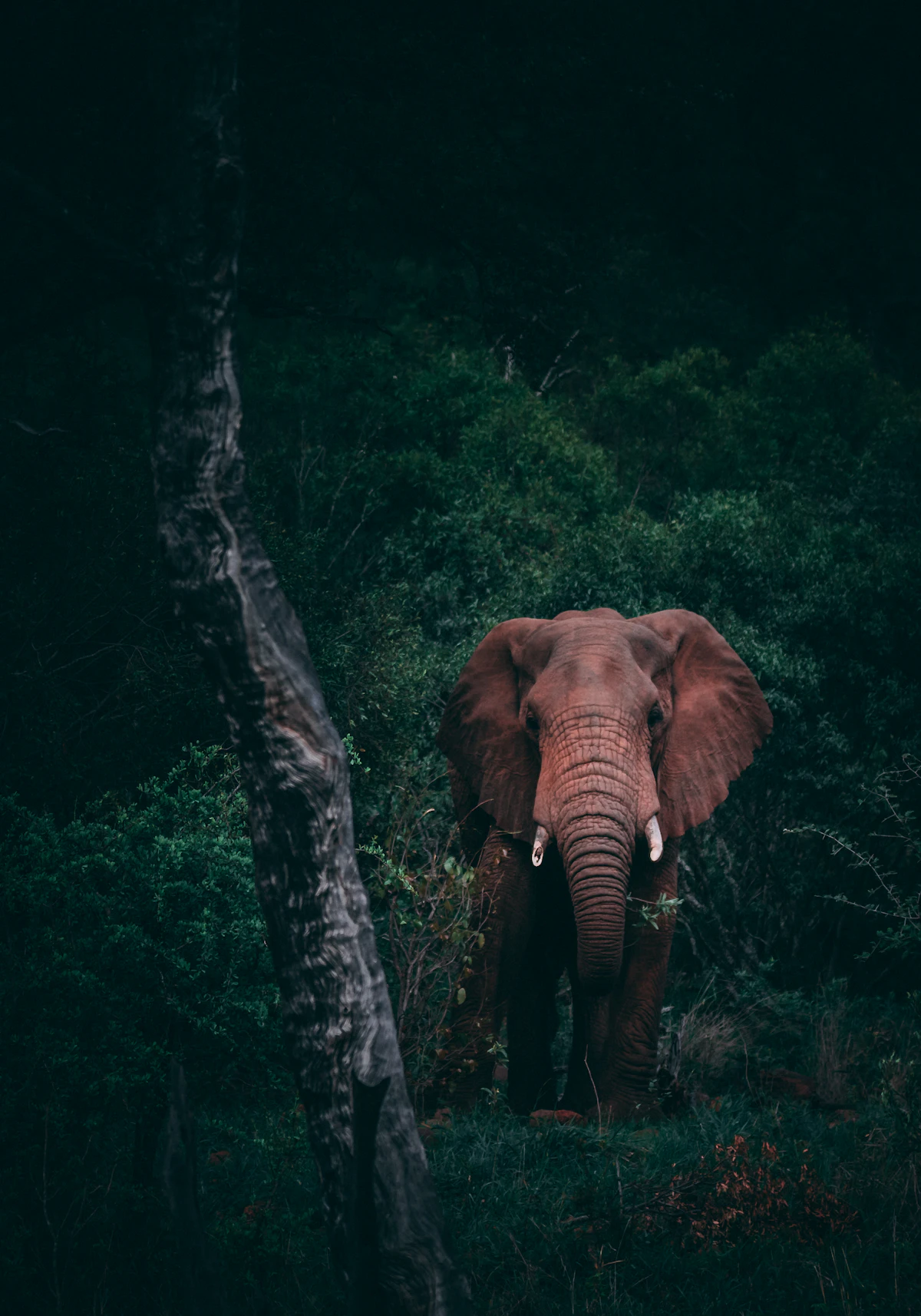
Nyerere & Ruaha Explorer
Dar es Salaam, Nyerere (Selous) & Ruaha
Experience Ngorongoro Conservation Area
Our Tanzania specialists will craft a bespoke itinerary featuring Ngorongoro Conservation Area tailored to your preferences.