Ruaha National Park Safari Guide
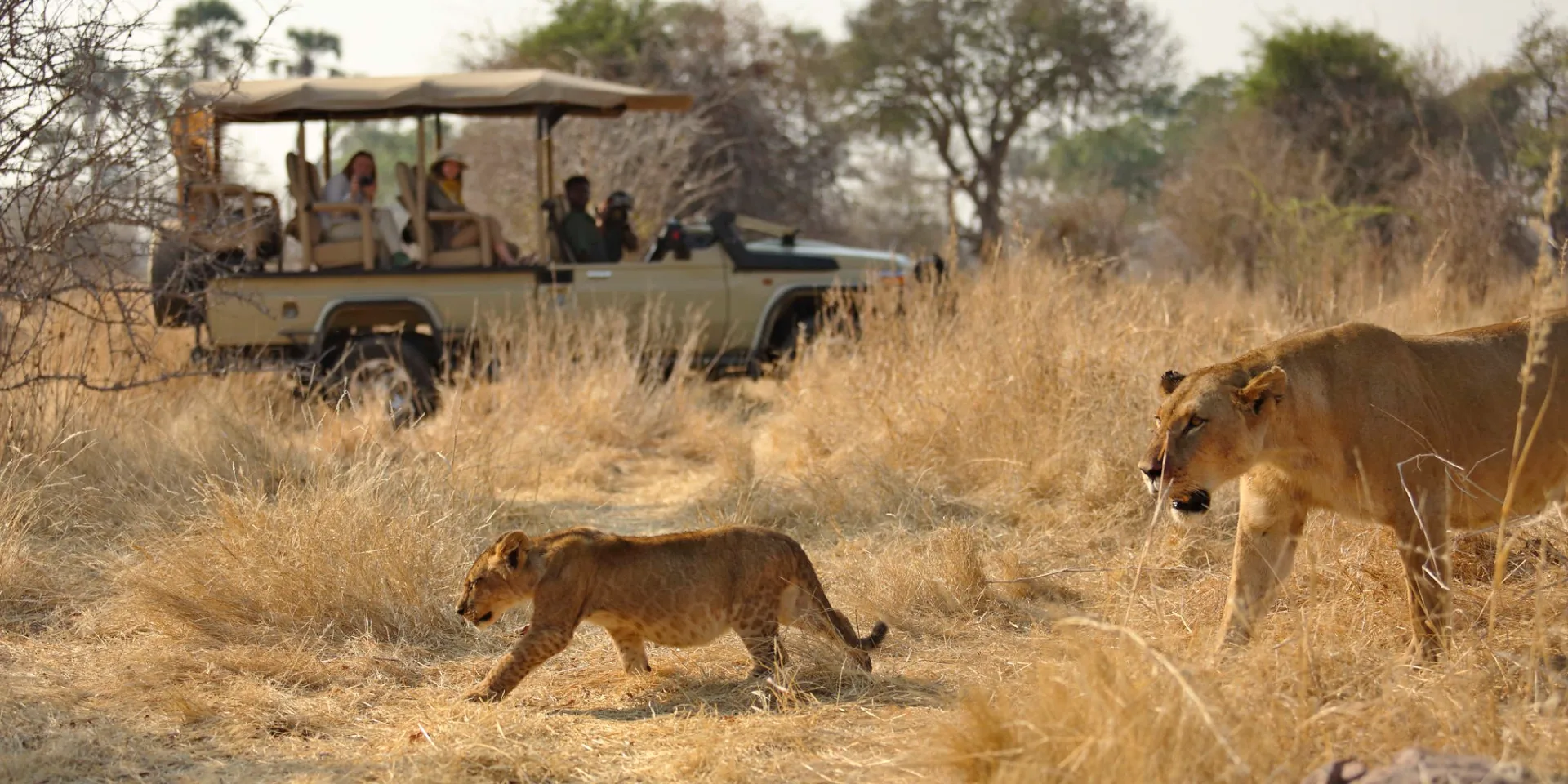
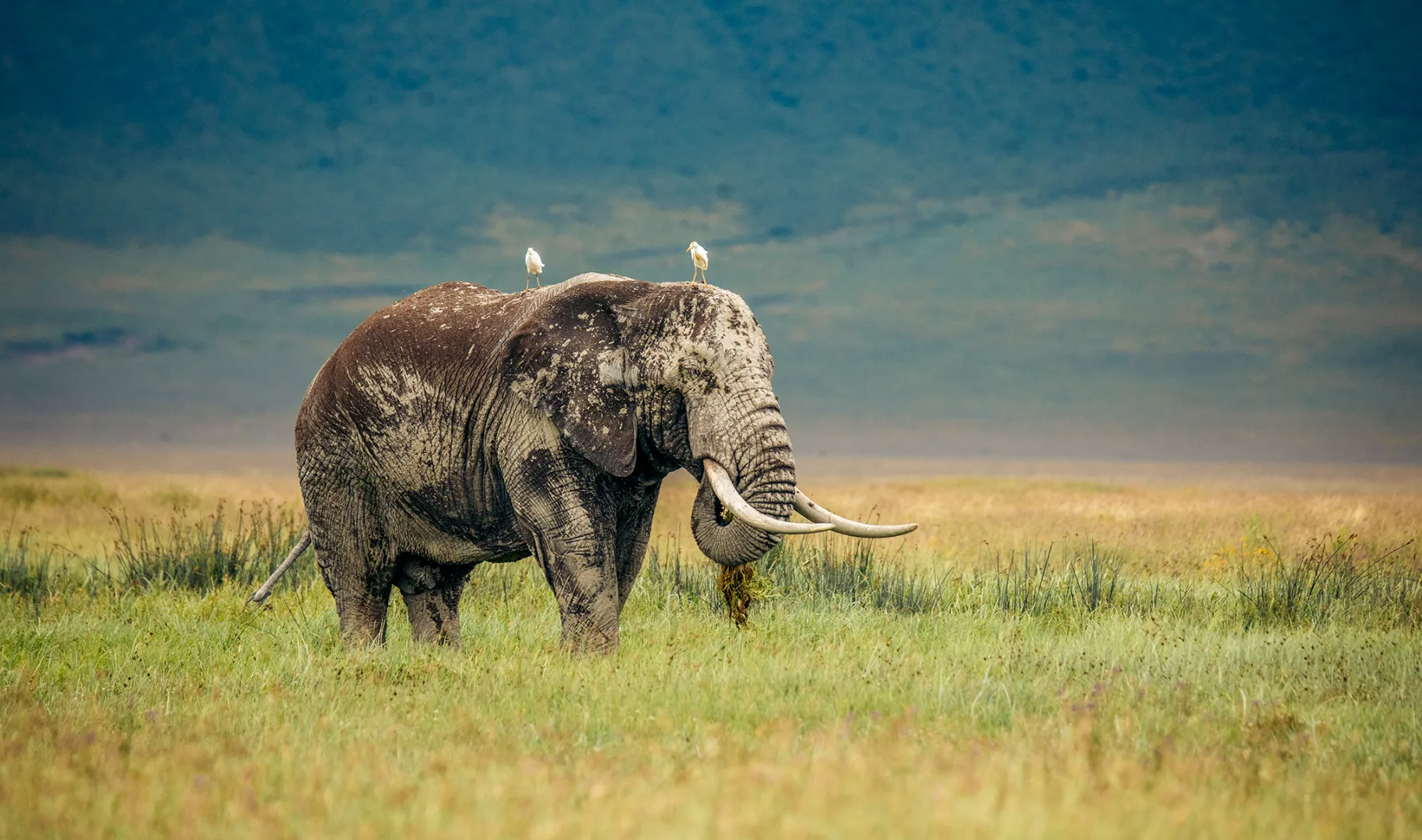
Ruaha National Park is Tanzania's largest national park at over 20,000 square kilometres, yet it receives a fraction of the visitors that flock to the Serengeti and Ngorongoro. Located in the centre of Tanzania where East African and Southern African ecosystems overlap, Ruaha occupies a unique biogeographical position that produces an exceptional diversity of wildlife in dramatic, baobab-studded landscapes along the Great Ruaha River. The park's defining feature is the Great Ruaha River, which flows along its southeastern boundary and serves as a magnet for wildlife during the dry season. As water levels drop between July and November, vast numbers of elephant, buffalo, lion, leopard, hippo, and crocodile congregate along the river and its diminishing pools, creating an atmosphere of raw, primal intensity. Ruaha harbours one of East Africa's largest elephant populations — approximately 12,000 individuals — and one of its densest lion populations, with an estimated 10 percent of Africa's total lion population living within the greater Ruaha ecosystem. Ruaha's position at the ecological crossroads of eastern and southern Africa means that species from both regions coexist here. Greater kudu, sable antelope, and roan antelope — species typical of southern Africa — share the landscape with Grant's gazelle and lesser kudu from the east. The park supports over 570 bird species, and its remote location ensures that game drives feel genuinely wild and exclusive. Multi-day walking safaris, fly camping, and night drives in adjacent concessions add adventure dimensions that are difficult to match elsewhere in Tanzania.
Wildlife & Ecosystems
12, 000+ elephants, one of Africa's largest lion populations, leopard, cheetah, African wild dog, sable antelope, roan antelope, greater kudu, 570+ bird species. Ruaha's ecological crossroads position supports both East and Southern African species.
Best Time to Visit
June to November for dry season game viewing along the Great Ruaha River. October and November offer the most intense wildlife concentrations as water sources diminish. The green season (January to April) brings superb birding and lush landscapes.
Getting to Ruaha National Park
2-hour flight from Dar es Salaam to Msembe Airstrip, or 2.5-hour flight from Arusha. Road access from Iringa (130 km, approximately 2.5 hours). The park is remote but accessible by light aircraft. Often paired with Nyerere for a southern circuit.
Ruaha National Park in Pictures